I'm a participant in the Amazon Services LLC Associates Program, an affiliate advertising program designed to provide a means for me to earn fees by linking to Amazon.com and affiliated sites.
One big air purifier vs two smaller ones, which cleans air faster? If the total CADR is the same, one big purifier and two smaller purifiers clean at about the same speed in a well-mixed single room—because clean-air delivery is essentially additive. The real reason to choose two units is better coverage and circulation in big/open/awkward spaces (and the ability to split them between rooms). The real reason to choose one unit is usually simplicity and cost.
Our Recommended Picks
Feature | |||||
|---|---|---|---|---|---|
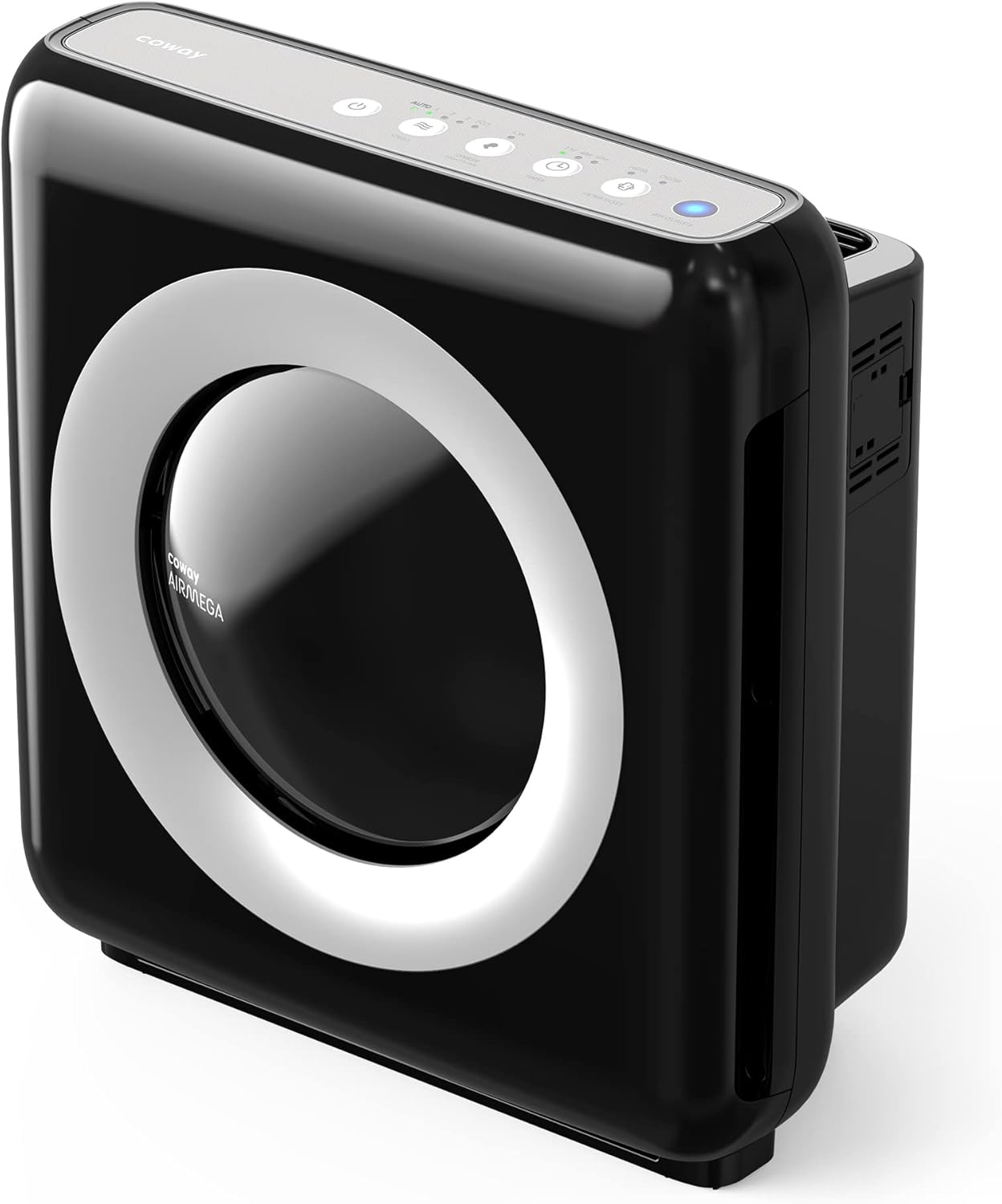 | 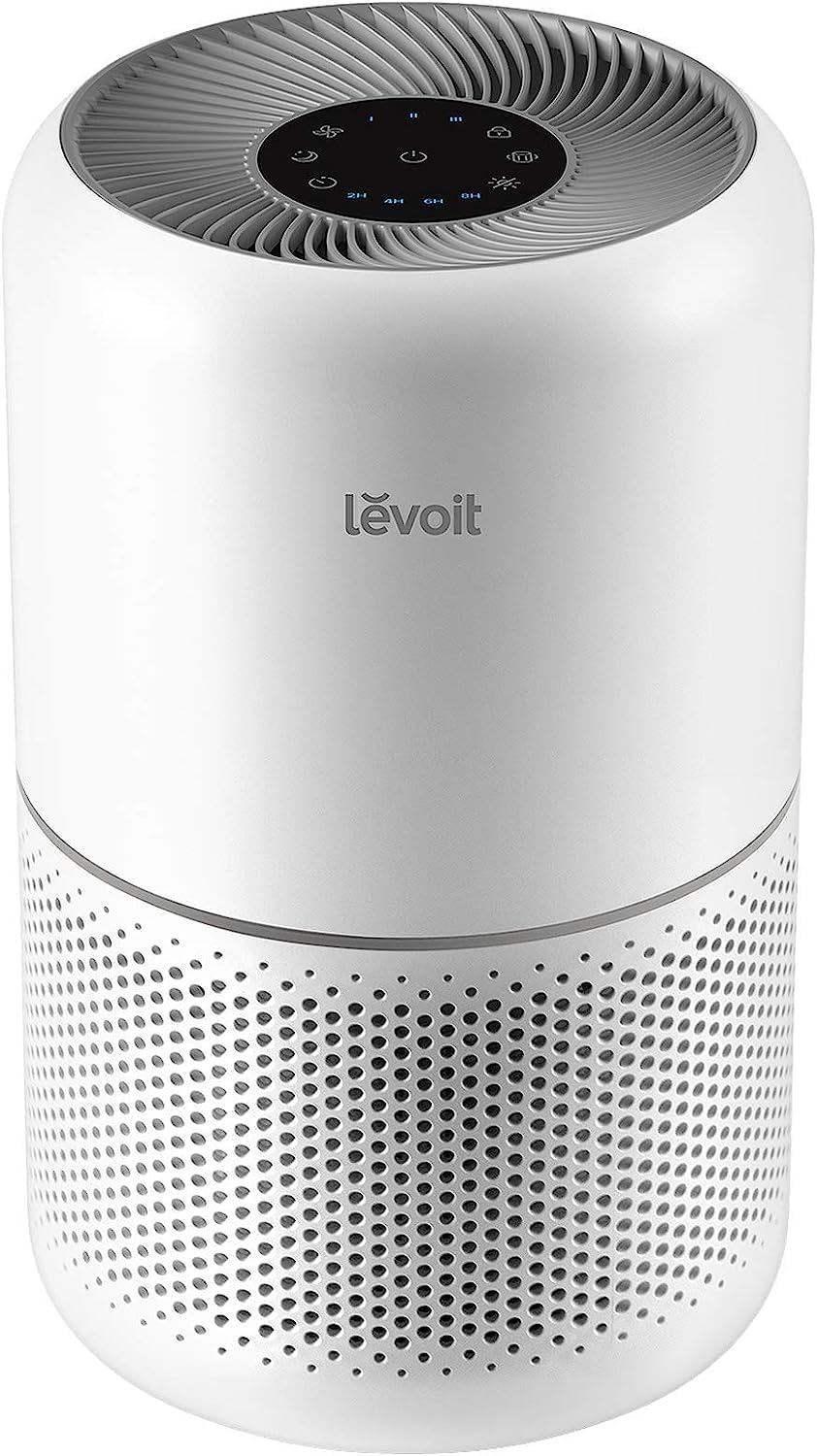 | 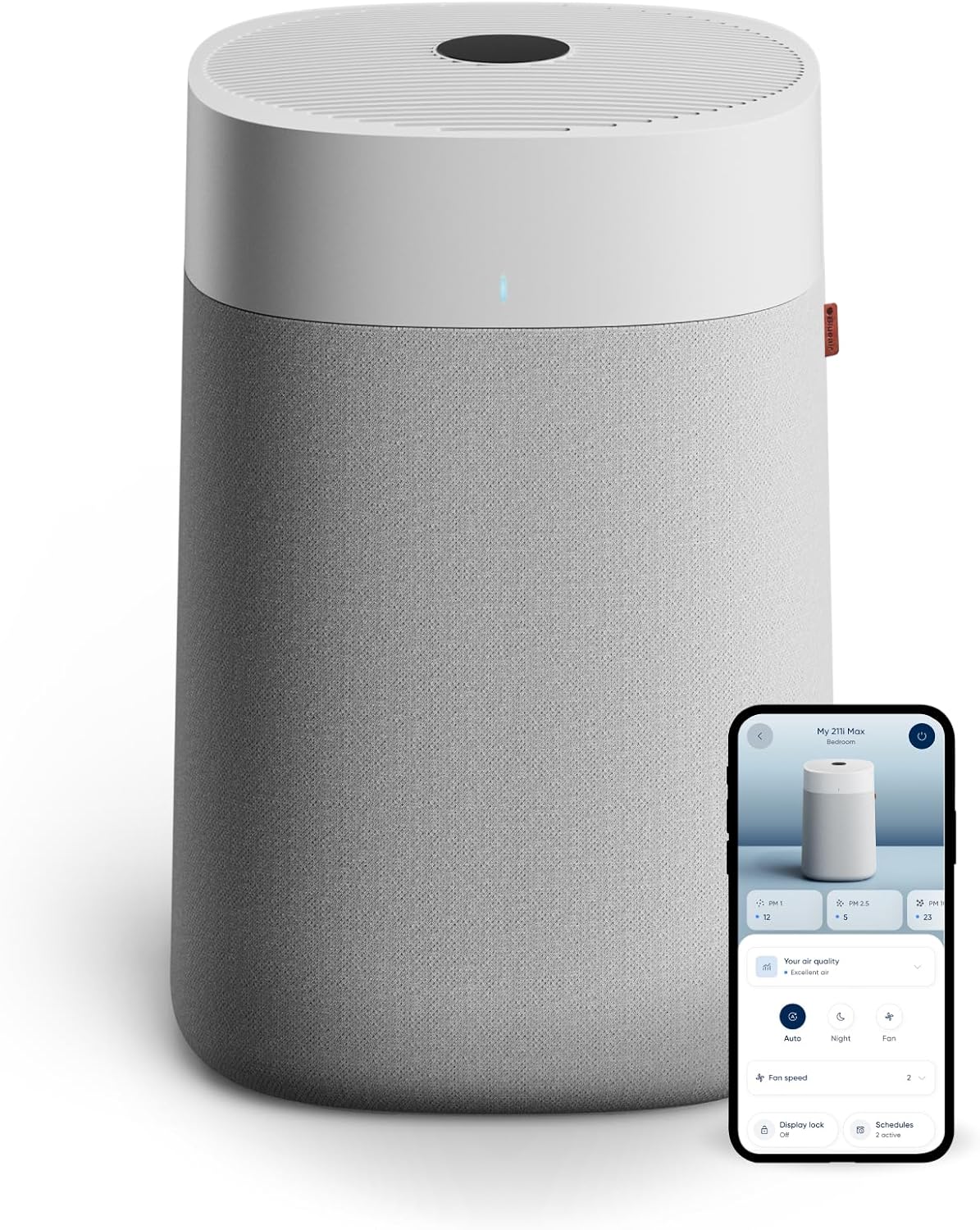 | 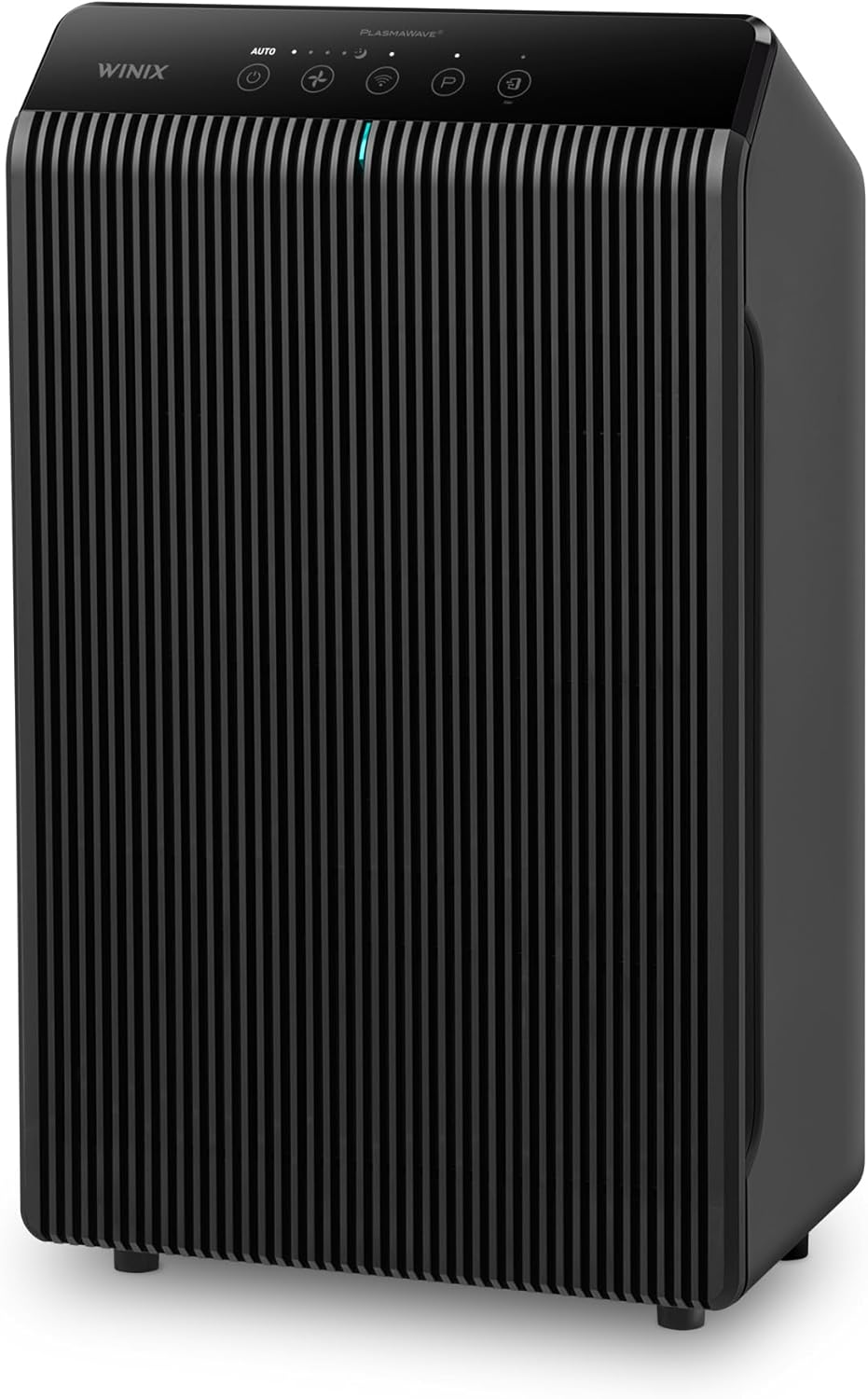 | 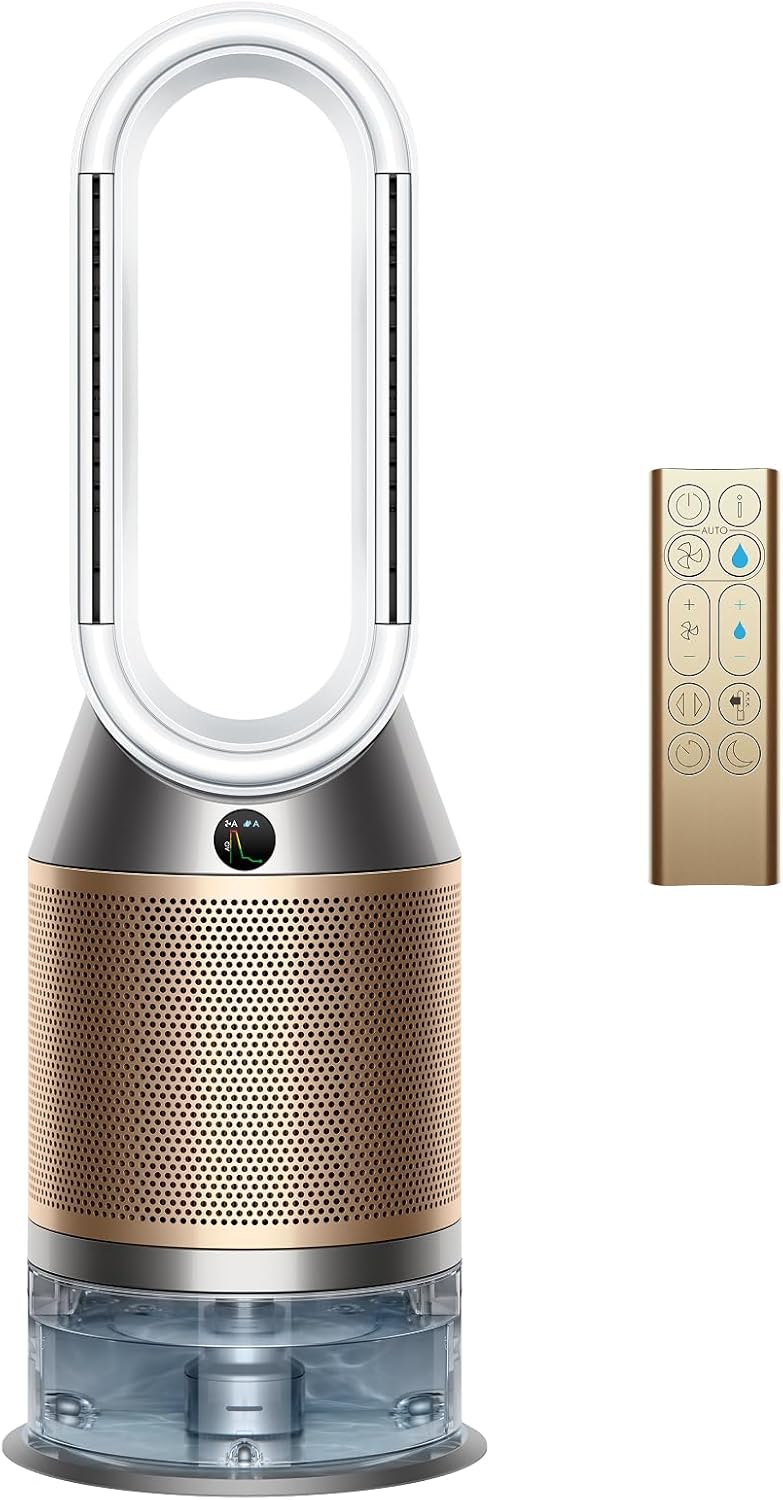 | |
Best for | Most homes (best “all-around”) | Bedroom / small rooms + smart control | Large rooms + open layouts | Pets + odor-leaning homes | Premium: purify + humidify + cooling |
Why it wins | Reliable performance + widely recommended | Strong usability + app/voice convenience | High CADR headroom for big spaces | Pet dander favorite + solid value testing | Multi-function comfort + advanced sensing |
“Real-life” strength | Easy to live with daily | Great “set it and forget it” | Big-room confidence | Smells + fur + everyday dust | One device replaces multiple appliances |
Watch-outs | Not the quietest on max | Not for huge open floor plans | Big footprint | Has ionizer feature (often optional) | Expensive + bigger maintenance routine |
Smart/app | Varies by version; strong basics | Yes (VeSync) | Yes (smart built-in) | Typically basic controls | Yes (MyDyson) |
Credible “why trust it” signal | Common top-pick in major roundups | Named best overall in testing roundup | Reported high CADR + large-room suitability | Stands out for pet dander in testing | Lab-tested favorite among purifier+humidifier combos |
Price |  | | | | |
What Most Articles Don’t Explain Clearly
Most “one vs two” guides:
- Say “bigger is better” without teaching the only metric that matters: CADR (clean air delivery rate).
- Skip the math that makes the answer obvious: CADR adds, and that directly changes ACH/eACH (how many “clean air” room volumes you get per hour).
- Ignore airflow reality: two smaller units in different spots can reduce “dead zones,” which can make them feel faster in real rooms.
So we’re doing the simple rule, the quick math, and the “real-home” decision.
The one rule that decides “faster”
Cleaning speed depends on how much clean air you deliver into the room. That’s what CADR measures: higher CADR = faster particle removal in that space.
If you’re comparing one vs two, compare total CADR
Total CADR ≈ CADR₁ + CADR₂ (for two units in the same space). That total is what drives how quickly the room clears.
Harvard’s Healthy Buildings team even gives a direct example of meeting a clean-air target by using two portable air cleaners with smaller CADRs instead of one large unit.
Quick Picks for Best Air Purifier
- Best overall for most homes: Coway Airmega AP-1512HH Mighty
- Best smart-value for bedrooms/small living areas: Levoit Core 300S
- Best for large rooms + open layouts: Blueair Blue Pure 211i Max
- Best for pets (dander + lingering smells) on a sane budget: Winix 5500-2
- Best premium “air-care system” (purify + humidify + cool): Dyson Purifier Humidify+Cool PH2 De-NOx
The “how fast” math (simple, usable)
AHAM provides the clean-air changes per hour relationship:
ACH (or eACH) from a purifier = (Smoke CADR × 60) ÷ Room Volume
If you use two units, you can treat it as:
ACH_total ≈ ((Smoke CADR₁ + Smoke CADR₂) × 60) ÷ Room Volume
CDC also notes that air cleaning contributes equivalent ACH (eACH) and that ACH/eACH values can be added when you’re combining strategies.
Quick example (real numbers)
- Bedroom volume: 12 × 14 × 8 ft = 1,344 ft³
- One big unit: Smoke CADR 200
- ACH ≈ (200 × 60) ÷ 1,344 = 8.9 ACH
- Two smaller units: Smoke CADR 100 + 100 = 200
- ACH is the same: 8.9 ACH
Same total CADR → same clearing speed (in a single, well-mixed room).
Feature | |||||
|---|---|---|---|---|---|
| | | | | |
Best for | Most homes (best “all-around”) | Bedroom / small rooms + smart control | Large rooms + open layouts | Pets + odor-leaning homes | Premium: purify + humidify + cooling |
Why it wins | Reliable performance + widely recommended | Strong usability + app/voice convenience | High CADR headroom for big spaces | Pet dander favorite + solid value testing | Multi-function comfort + advanced sensing |
“Real-life” strength | Easy to live with daily | Great “set it and forget it” | Big-room confidence | Smells + fur + everyday dust | One device replaces multiple appliances |
Watch-outs | Not the quietest on max | Not for huge open floor plans | Big footprint | Has ionizer feature (often optional) | Expensive + bigger maintenance routine |
Smart/app | Varies by version; strong basics | Yes (VeSync) | Yes (smart built-in) | Typically basic controls | Yes (MyDyson) |
Credible “why trust it” signal | Common top-pick in major roundups | Named best overall in testing roundup | Reported high CADR + large-room suitability | Stands out for pet dander in testing | Lab-tested favorite among purifier+humidifier combos |
Price | | | | | |
So why do two smaller units sometimes feel faster?
Because rooms aren’t perfect boxes with perfectly mixed air.
Two units can win when:
- The room is long/open (open-plan living room + kitchen)
- Furniture creates stagnant corners
- You’re trying to cover two “zones” (couch area + dining area)
- You want cleaner air closer to where people breathe (near the bed + near the door)
Harvard notes that placing multiple air cleaners in different locations can be more effective in some larger spaces than one unit in one spot.
When ONE big purifier is the smarter choice
1) One normal-sized room, simple layout
If it’s a standard bedroom or office, one appropriately sized unit is usually easier and just as fast if CADR is comparable.
2) You want “set it and forget it”
One filter schedule. One device to maintain. Less fuss.
3) Lower long-term hassle
Two units = twice the pre-filter cleaning, twice the filter checks, twice the chance one gets neglected.
When TWO smaller purifiers are the smarter choice
1) You’re dealing with a big/open/awkward space
Two units placed far apart often reduce dead zones and improve real-life coverage.
2) You actually have two rooms to protect
This is the big one: air cleaners work best per room. If you spend time in the bedroom and living room, splitting units is often more useful than one “monster” unit in one place. (Air doesn’t magically equalize through hallways fast enough to count on it.)
3) You need quiet but still want performance
Two smaller purifiers can sometimes be run on lower fan speeds (quieter) while still hitting a strong combined CADR/ACH target. (You’re basically trading one loud box for two quieter ones.)
4) Redundancy
If one dies or needs a filter swap, you still have coverage.
Comparison Table
Situation | One big purifier wins when… | Two smaller purifiers win when… |
|---|---|---|
One bedroom / office | You want simple setup + one maintenance schedule | The room has weird airflow or you want one near the bed and one near the door |
Open floor plan | You can place it centrally and it’s truly sized for the whole space | You have “zones” (kitchen + living room) or long rooms with dead spots |
Two separate rooms | Not ideal (it can’t be in two places) | Split coverage where you actually live |
Noise-sensitive home | Only if it’s quiet enough at your needed speed | Two units can hit the target with lower speeds (often quieter) |
Maintenance budget | Typically simpler | More filters/checks, but more flexibility |
The buying checklist (no brands, just what to look for)
Step 1: Decide your goal: “fast clearing” or “quiet baseline”
- Fast clearing: higher total CADR
- Quiet baseline: enough total CADR that low/medium speeds still do meaningful work
Step 2: Size by CADR, not “up to sq ft”
CADR is the performance spec that tells you how quickly the unit delivers cleaned air.
Step 3: Use Smoke CADR when the goal is fine particles
AHAM’s ACH guidance uses Smoke CADR to estimate clean-air changes per hour.
Step 4: If using two units, place them strategically
- Opposite ends of the room
- One near the biggest source zone (kitchen/pets) and one near the breathing zone (couch/bed)
FAQs: One Big Air Purifier vs Two Smaller Ones
Is it better to have two air purifiers or one?
If the total CADR is the same, performance is similar in a single room. Two units often feel better in real homes because placement can reduce dead zones and improve coverage.
Do two air purifiers increase ACH?
Yes. Clean-air delivery adds, so two units can increase total clean-air changes per hour based on combined CADR. CDC notes ACH/eACH can be added when combining strategies, and AHAM provides the CADR→ACH formula.
Can two small purifiers equal one big purifier?
Absolutely—if their combined CADR matches the big unit’s CADR. In that case, the theoretical cleaning speed is similar.
What’s the best setup for an open floor plan?
Often two units: one for the kitchen zone, one for the living zone, placed far apart. Harvard specifically notes multiple units in different locations can be more effective in larger spaces.
How do I calculate the ACH from my air purifier?
Use AHAM’s formula: ACH = (Smoke CADR × 60) ÷ Room Volume. For two purifiers, add the CADRs first.
Bottom line
- Same total CADR in one room? One big vs two small cleans at about the same speed.
- Real homes aren’t perfect boxes. Two smaller units can feel faster because you can place them to cover more of the room.
- If you use more than one room, two units usually win—because they can actually be where you are.
Other Interesting Articles
- Best Air Purifier for Home (2026): Top 5 Picks That Actually Make a Difference
- PuroAir 240 vs Shark Air Purifier: Which One Should You Buy?
- PuroAir 240 vs Sans Air Purifier: Which One Should You Buy?
- PuroAir 240 vs Levoit 300: Which Air Purifier Is the Better Buy?
- PuroAir 240 vs PuroAir 400: Which One Actually Fits Your Home?
Author
HappyHomeNerd: We review home comfort gear the way real people use it: in lived-in rooms, with real sleep schedules, real pets, and real tolerance for noise.