I'm a participant in the Amazon Services LLC Associates Program, an affiliate advertising program designed to provide a means for me to earn fees by linking to Amazon.com and affiliated sites.
If you’re buying for allergies, asthma, or wildfire smoke, prioritize a purifier with a real HEPA filter and a strong CADR for your room size. “HEPA-type” can still help with dust, but it’s not certified to meet true HEPA requirements, so it’s a gamble when you need reliable relief.
Here’s the simplest way to win this purchase:
HEPA label = filtration efficiency. CADR = speed. You want both.
Our Recommended Picks
Feature | |||||
|---|---|---|---|---|---|
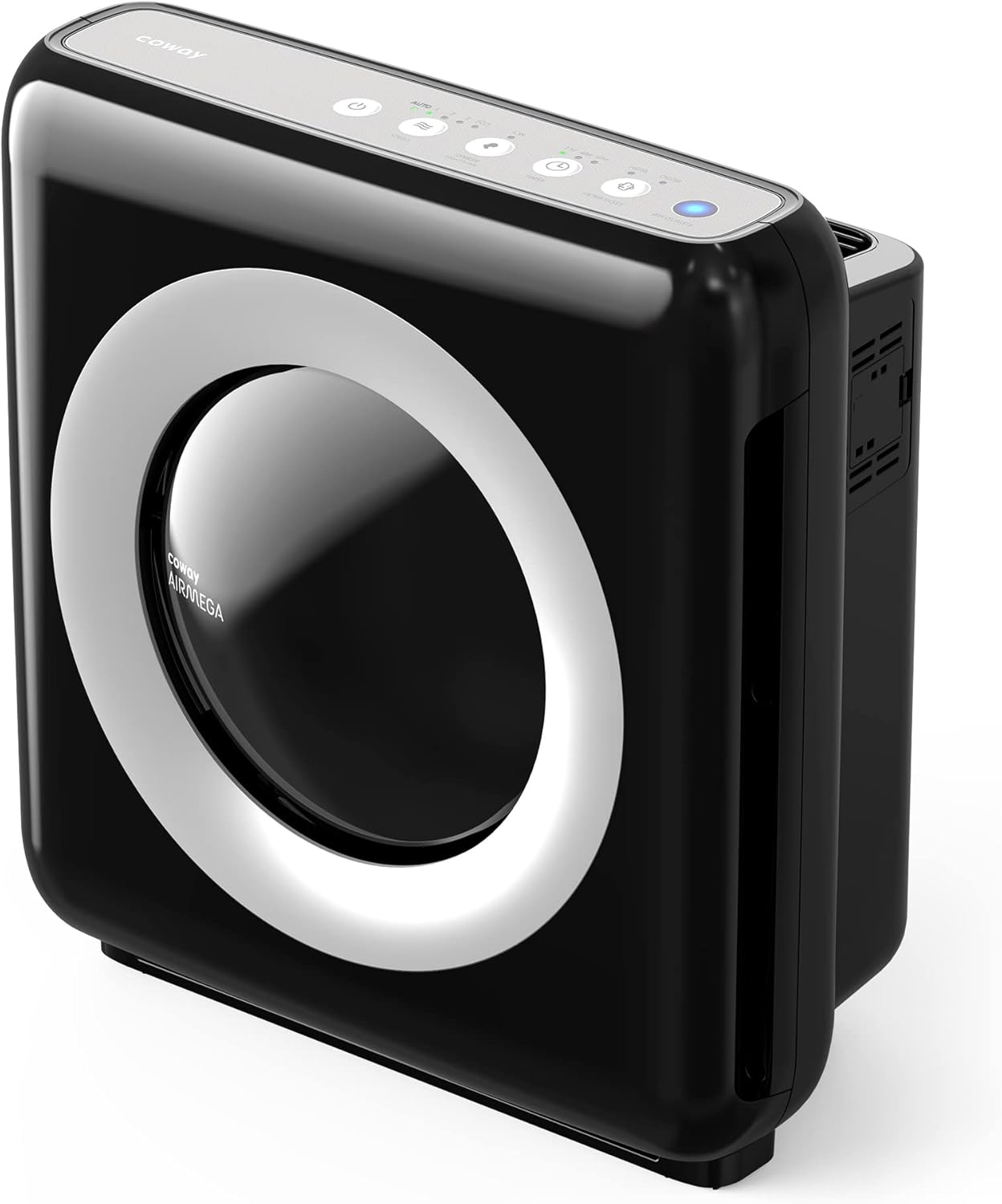 | 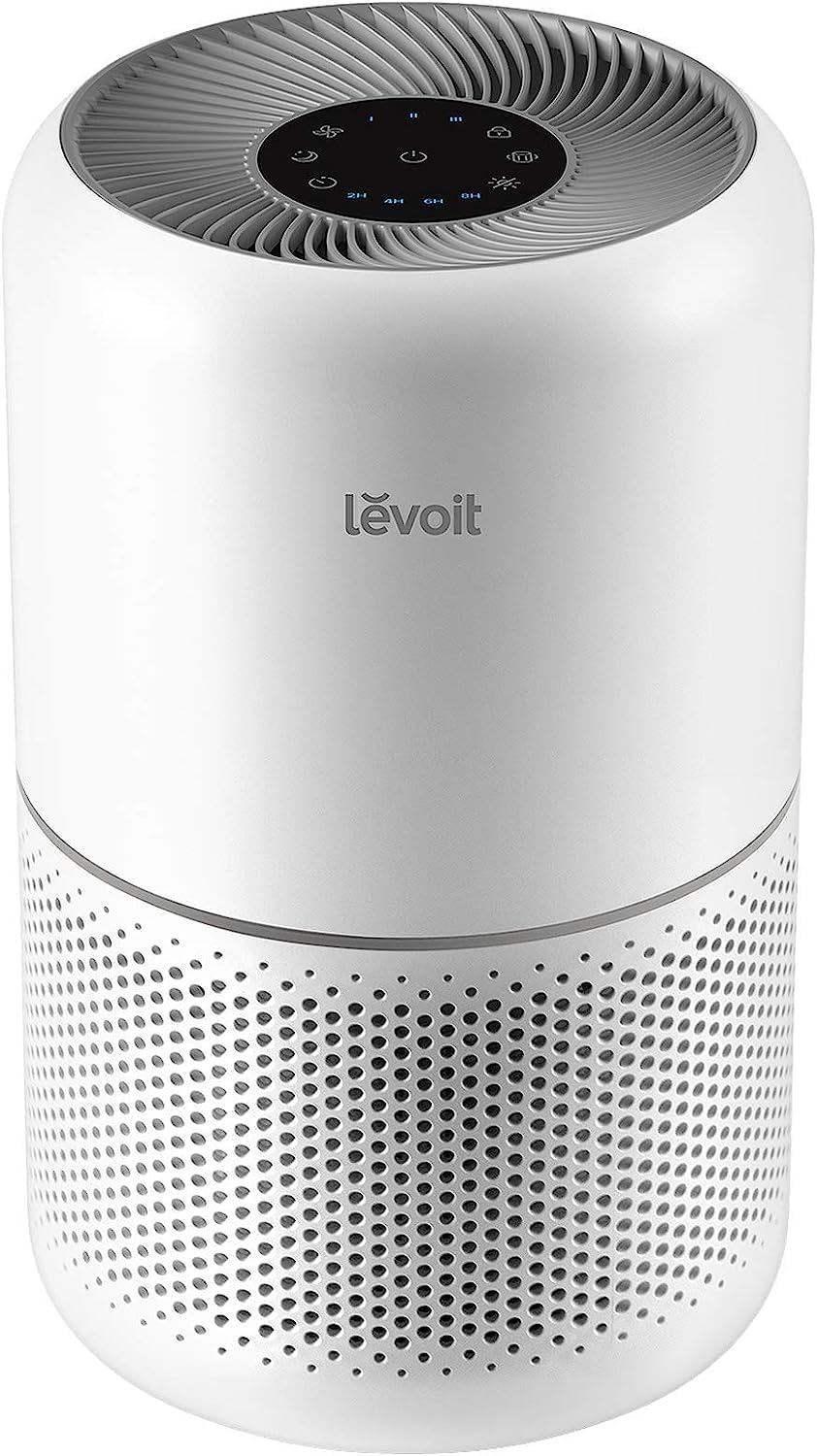 | 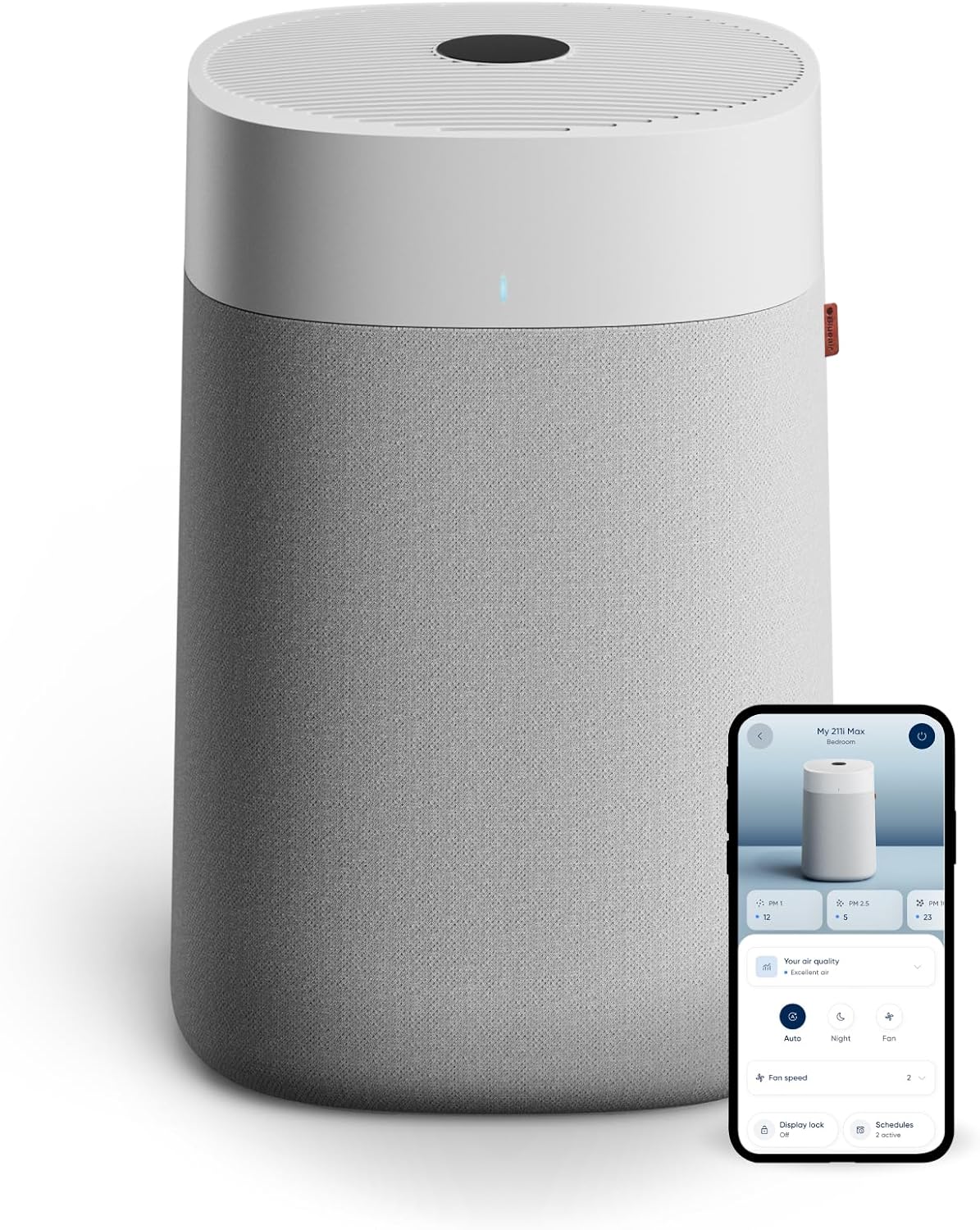 |  |  | |
Best for | Most homes (best “all-around”) | Bedroom / small rooms + smart control | Large rooms + open layouts | Pets + odor-leaning homes | Premium: purify + humidify + cooling |
Why it wins | Reliable performance + widely recommended | Strong usability + app/voice convenience | High CADR headroom for big spaces | Pet dander favorite + solid value testing | Multi-function comfort + advanced sensing |
“Real-life” strength | Easy to live with daily | Great “set it and forget it” | Big-room confidence | Smells + fur + everyday dust | One device replaces multiple appliances |
Watch-outs | Not the quietest on max | Not for huge open floor plans | Big footprint | Has ionizer feature (often optional) | Expensive + bigger maintenance routine |
Smart/app | Varies by version; strong basics | Yes (VeSync) | Yes (smart built-in) | Typically basic controls | Yes (MyDyson) |
Credible “why trust it” signal | Common top-pick in major roundups | Named best overall in testing roundup | Reported high CADR + large-room suitability | Stands out for pet dander in testing | Lab-tested favorite among purifier+humidifier combos |
Price |  | | | | |
What Top Articles Usually Miss (and What We’re Doing Better)
Most “HEPA vs HEPA-type” posts:
- Obsess over the label and forget the room-size math (CADR).
- Don’t explain that “HEPA-type” isn’t held to true HEPA certification requirements.
- Skip the practical reality: a “true HEPA” purifier that’s too small for your room can feel worse than a decent “HEPA-type” unit that moves more air.
This guide focuses on what actually changes symptoms: verified filtration + enough clean-air delivery for your space.
First: what “HEPA” really means (in plain English)
A true HEPA filter is defined (in the U.S. DOE sense used widely in consumer guidance) as capable of capturing at least 99.97% of particles at 0.3 microns—which is the “worst case” particle size (MPPS) for this kind of filtration.
That’s why HEPA is the default recommendation for allergy/dust shoppers: it’s a known standard, not vibes.
Then: what “HEPA-type” actually means (and why it’s confusing)
“HEPA-type” / “HEPA-like” typically means the filter works similarly (pleated particle filtration), but hasn’t been certified to meet true HEPA requirements. Consumer Reports calls this out directly.
Translation: it might be decent… or it might be mediocre. The label alone doesn’t tell you.
Quick Picks for Best Air Purifier
- Best overall for most homes: Coway Airmega AP-1512HH Mighty
- Best smart-value for bedrooms/small living areas: Levoit Core 300S
- Best for large rooms + open layouts: Blueair Blue Pure 211i Max
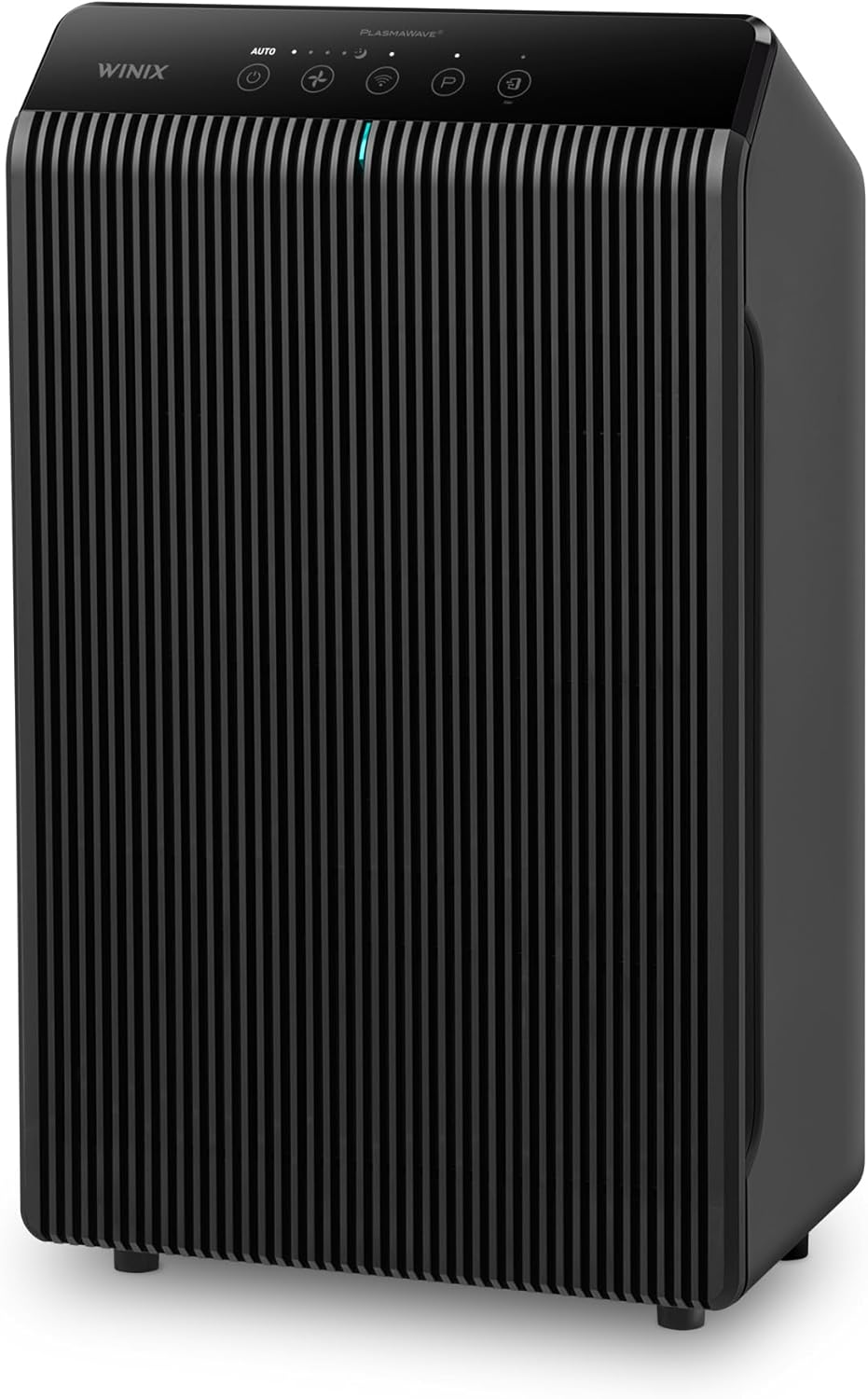
- Best for pets (dander + lingering smells) on a sane budget: Winix 5500-2
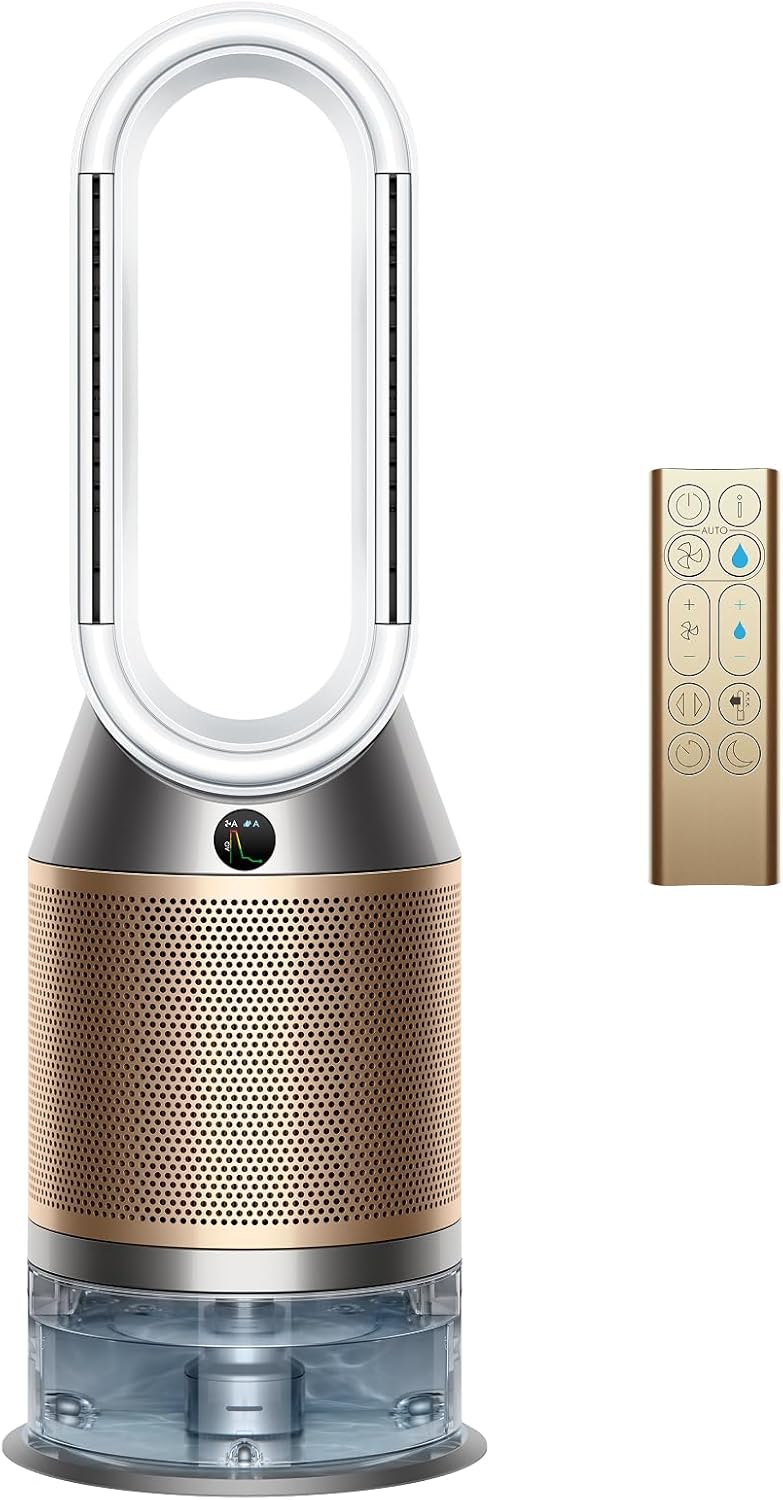
- Best premium “air-care system” (purify + humidify + cool): Dyson Purifier Humidify+Cool PH2 De-NOx
The part most people miss: allergies and dust are about speed too
Even a great filter can’t help if it’s not cleaning enough air per hour.
That’s why CADR matters. EPA’s guidance is straightforward: choose a portable air cleaner with a CADR high enough for the room, and higher CADR generally means it filters more particles and can serve a larger area.
Consumer Reports also emphasizes CADR as the key performance spec.
HappyHomeNerd rule:
- True HEPA + strong CADR = best chance you’ll actually feel it.
- HEPA-type + weak CADR = the classic “I bought one and nothing changed” story.
Feature | |||||
|---|---|---|---|---|---|
| | | | | |
Best for | Most homes (best “all-around”) | Bedroom / small rooms + smart control | Large rooms + open layouts | Pets + odor-leaning homes | Premium: purify + humidify + cooling |
Why it wins | Reliable performance + widely recommended | Strong usability + app/voice convenience | High CADR headroom for big spaces | Pet dander favorite + solid value testing | Multi-function comfort + advanced sensing |
“Real-life” strength | Easy to live with daily | Great “set it and forget it” | Big-room confidence | Smells + fur + everyday dust | One device replaces multiple appliances |
Watch-outs | Not the quietest on max | Not for huge open floor plans | Big footprint | Has ionizer feature (often optional) | Expensive + bigger maintenance routine |
Smart/app | Varies by version; strong basics | Yes (VeSync) | Yes (smart built-in) | Typically basic controls | Yes (MyDyson) |
Credible “why trust it” signal | Common top-pick in major roundups | Named best overall in testing roundup | Reported high CADR + large-room suitability | Stands out for pet dander in testing | Lab-tested favorite among purifier+humidifier combos |
Price | | | | | |
Quick comparison: What to Buy for Allergies vs Dust
If your main problem is… | What matters most | What to look for |
|---|---|---|
Seasonal allergies (pollen) | Reliability + speed | HEPA + CADR sized to room |
Pet dander | Reliability + airflow | HEPA + strong CADR; pre-filter helps |
Visible dust | Airflow + consistency | HEPA or HEPA-type can help, but CADR still matters |
Wildfire smoke / fine particles | Don’t gamble | HEPA + high CADR for the room |
Odors | Different problem | Carbon media matters more than HEPA label |
What you should do in a store listing (60-second checklist)
1) Confirm it’s actually HEPA (not “HEPA-type”)
If it says HEPA-type/HEPA-like, assume it’s not certified to true HEPA requirements.
2) Check CADR (or a credible room-size rating)
EPA: CADR should match the room size you’ll use it in.
If CADR isn’t listed clearly, that’s a yellow flag for serious allergy shoppers.
3) Don’t overpay for “True HEPA” stickers without proof
“HEPA” has a definition (99.97% @ 0.3 µm), but marketing language can still be sloppy. Use performance signals (CADR, reputable testing) as your reality check.
4) Plan for filter replacement like an adult
A great purifier with neglected filters becomes an expensive fan. EPA’s guidance: follow the manufacturer’s filter maintenance/replacement schedule.
The honest truth: can HEPA-type still help?
Yes—especially if your goal is general dust reduction and you’re working with a budget. But for allergies, where small particle capture and consistency matter, “HEPA-type” is the kind of “maybe” that often leads to a second purchase later.
If you’re symptom-driven (sneezing, itchy eyes, waking up congested), go HEPA.
FAQs: HEPA vs “HEPA-Type”
Is HEPA-type good enough for allergies?
Sometimes, but it’s not the safest bet. Consumer Reports notes HEPA-type/HEPA-like filters haven’t been certified to meet true HEPA requirements, and allergy buyers usually want the certainty of HEPA + adequate CADR.
What does “true HEPA” mean?
In consumer use, it usually means the filter meets the HEPA performance definition (commonly cited as 99.97% at 0.3 microns, the MPPS “worst case”). EPA explains why 0.3 microns is used and what HEPA can capture.
Is HEPA or CADR more important?
For results you can feel, you need both. HEPA tells you filtration efficiency; CADR tells you how fast clean air is delivered for your room size. EPA and Consumer Reports both emphasize CADR for sizing and performance.
Will a HEPA air purifier remove dust completely?
It can reduce airborne dust particles, but dust also comes from surfaces, fabrics, and foot traffic. A purifier helps most when it’s correctly sized and run consistently.
Does HEPA remove odors?
Not really. HEPA is for particles. For odors/gases, you need meaningful carbon filtration (and even then, results vary). EPA separates particle filtration from gas filtration in its guidance.
Bottom line
If you’re buying for allergies and fine dust, don’t let “HEPA-type” talk you into a compromise you’ll regret.
Get: HEPA + room-appropriate CADR + consistent use.
Other Interesting Articles
- Best Air Purifier for Home (2026): Top 5 Picks That Actually Make a Difference
- PuroAir 240 vs Shark Air Purifier: Which One Should You Buy?
- PuroAir 240 vs Sans Air Purifier: Which One Should You Buy?
- PuroAir 240 vs Levoit 300: Which Air Purifier Is the Better Buy?
- PuroAir 240 vs PuroAir 400: Which One Actually Fits Your Home?
Author
HappyHomeNerd: We review home comfort gear the way real people use it: in lived-in rooms, with real sleep schedules, real pets, and real tolerance for noise.