I'm a participant in the Amazon Services LLC Associates Program, an affiliate advertising program designed to provide a means for me to earn fees by linking to Amazon.com and affiliated sites.
Do activated carbon filters remove odors and VOCs? Yes—activated carbon can reduce some odors and some VOCs, sometimes dramatically. But it’s not a universal “smell/VOC vacuum.” Carbon works best when you have enough carbon (not a thin sheet), enough contact time, and you’re targeting the right gases—and it always has finite capacity (it fills up).
If your goal is “my house never smells again,” you’ll be disappointed unless you pair carbon with the boring stuff that actually works: source control + ventilation + humidity control.
Our Recommended Picks
Feature | |||||
|---|---|---|---|---|---|
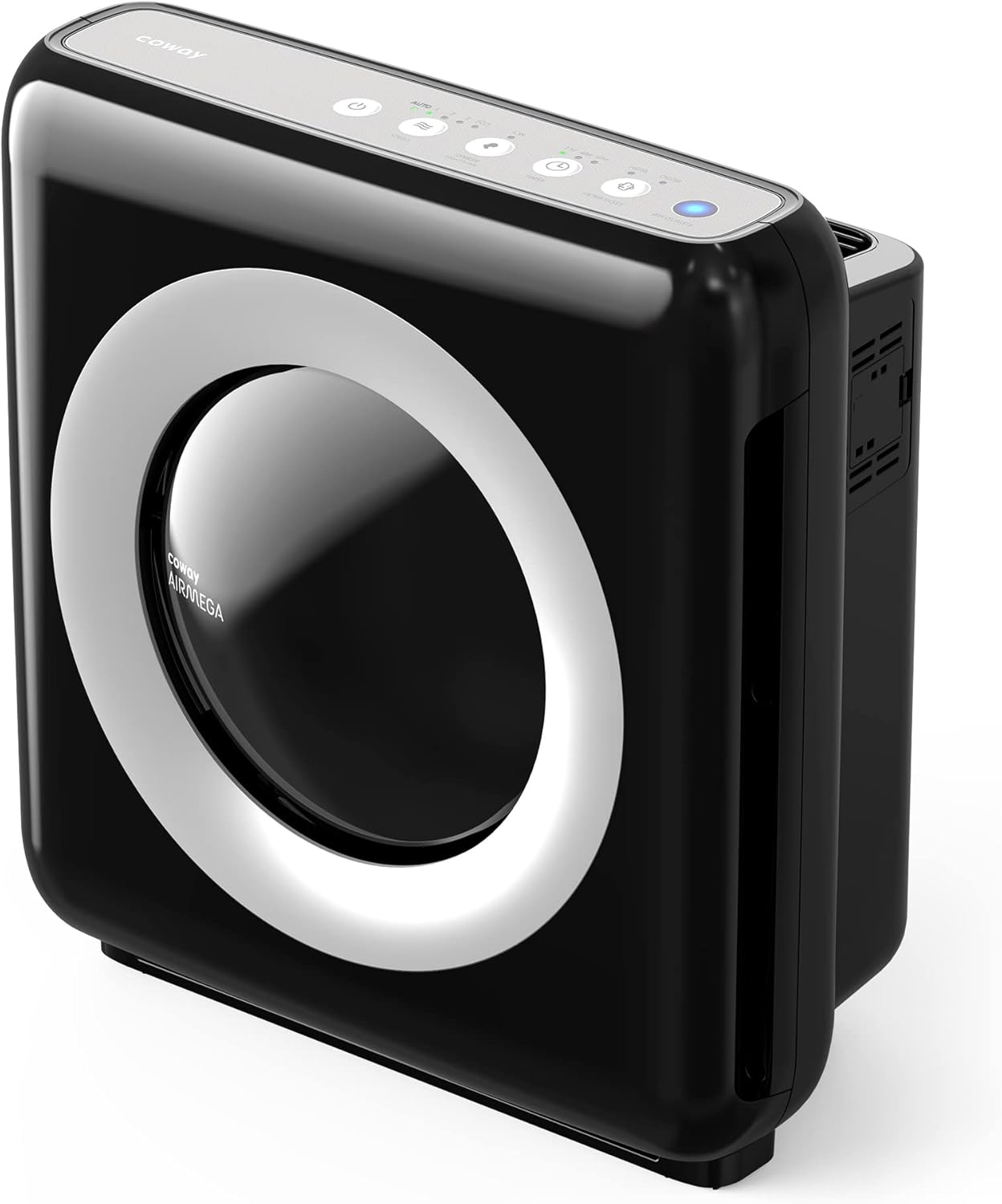 | 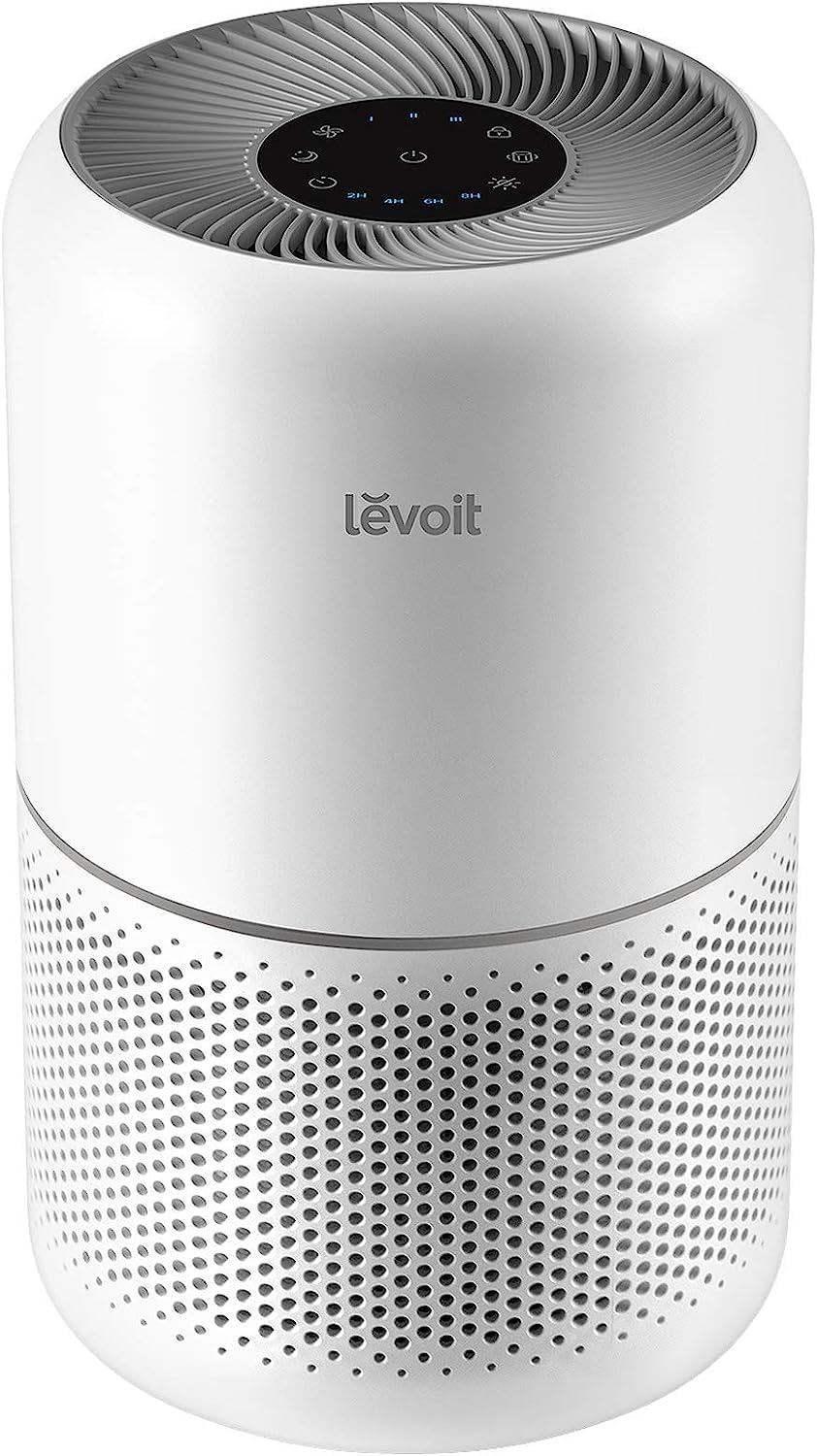 | 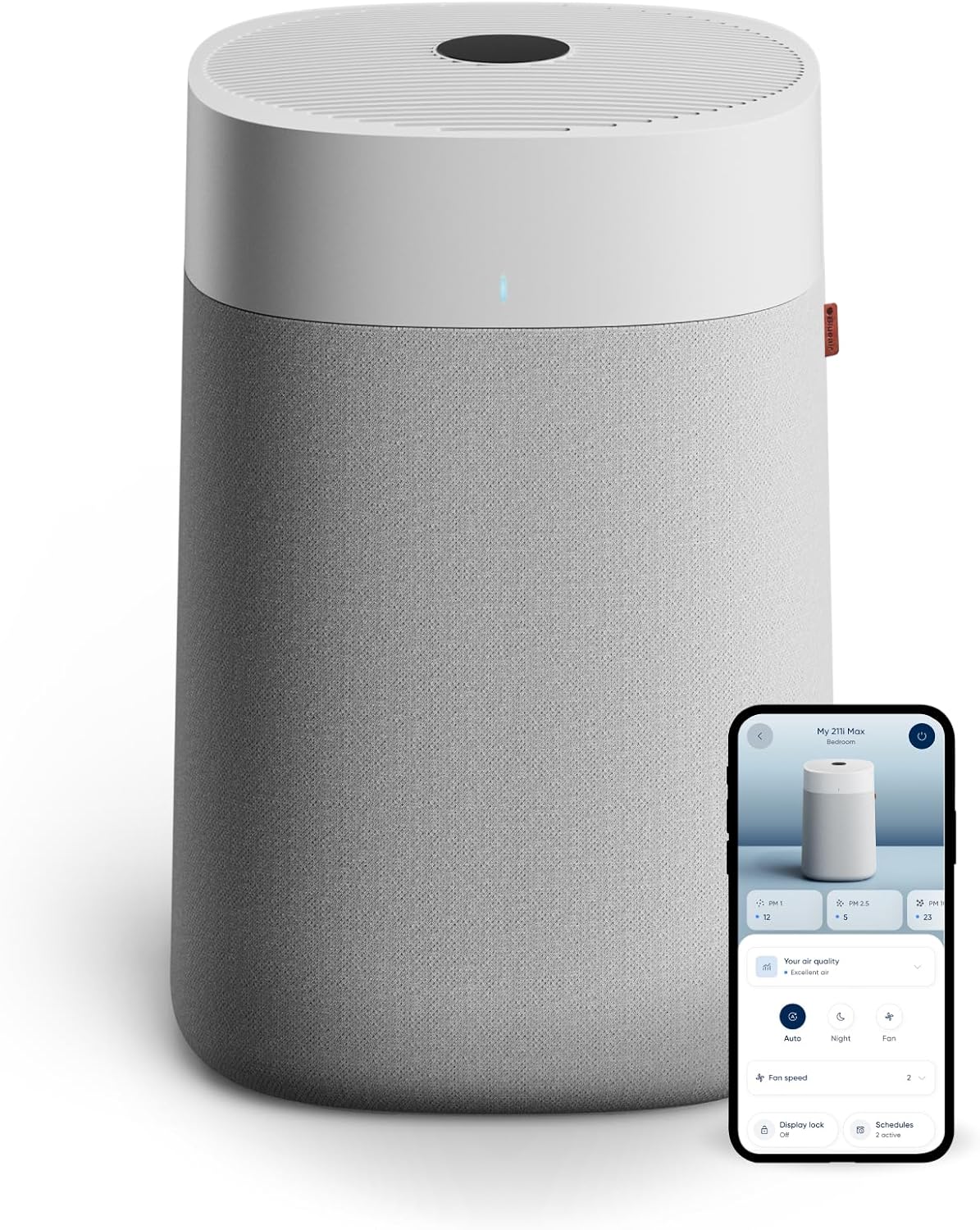 | 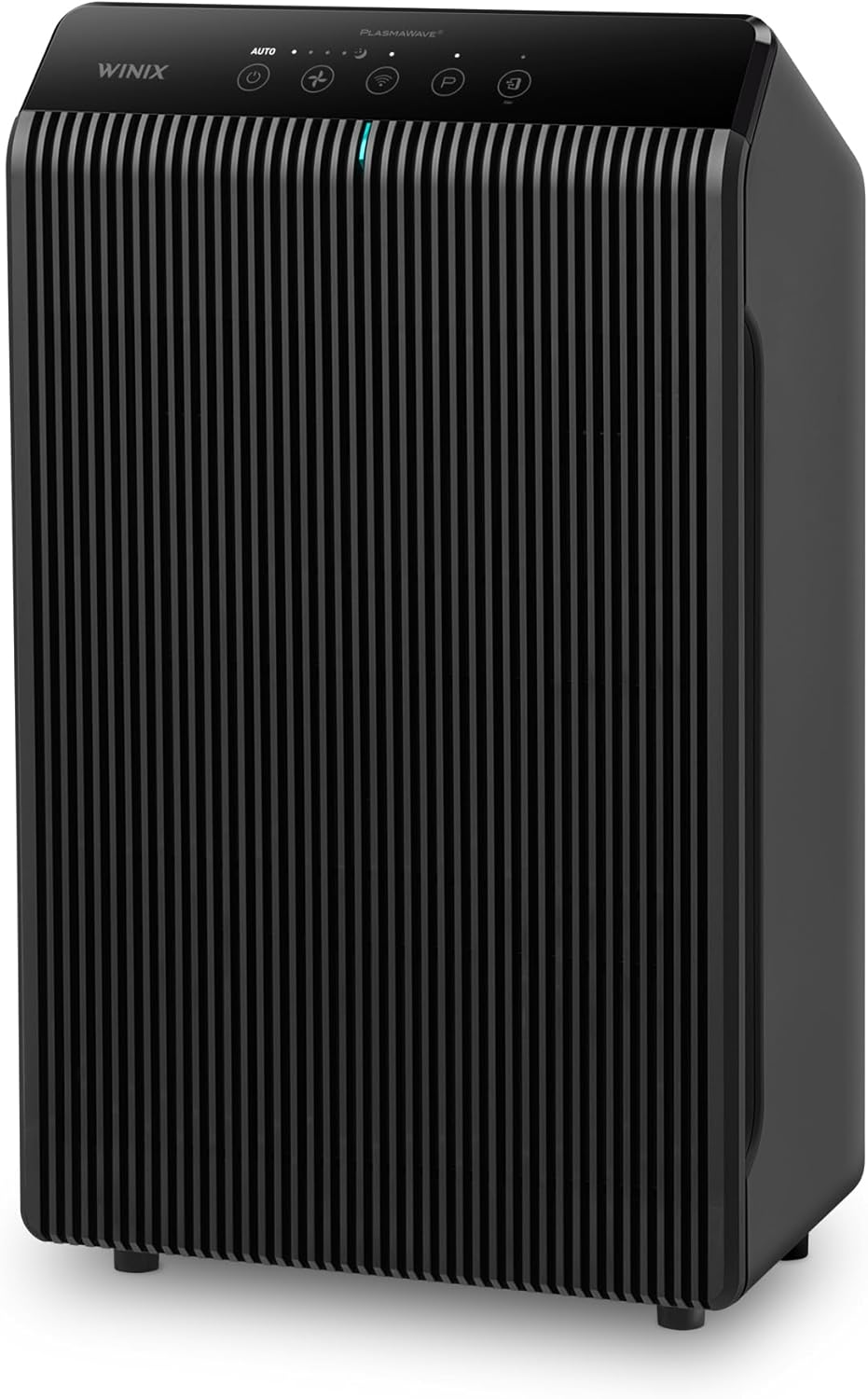 | 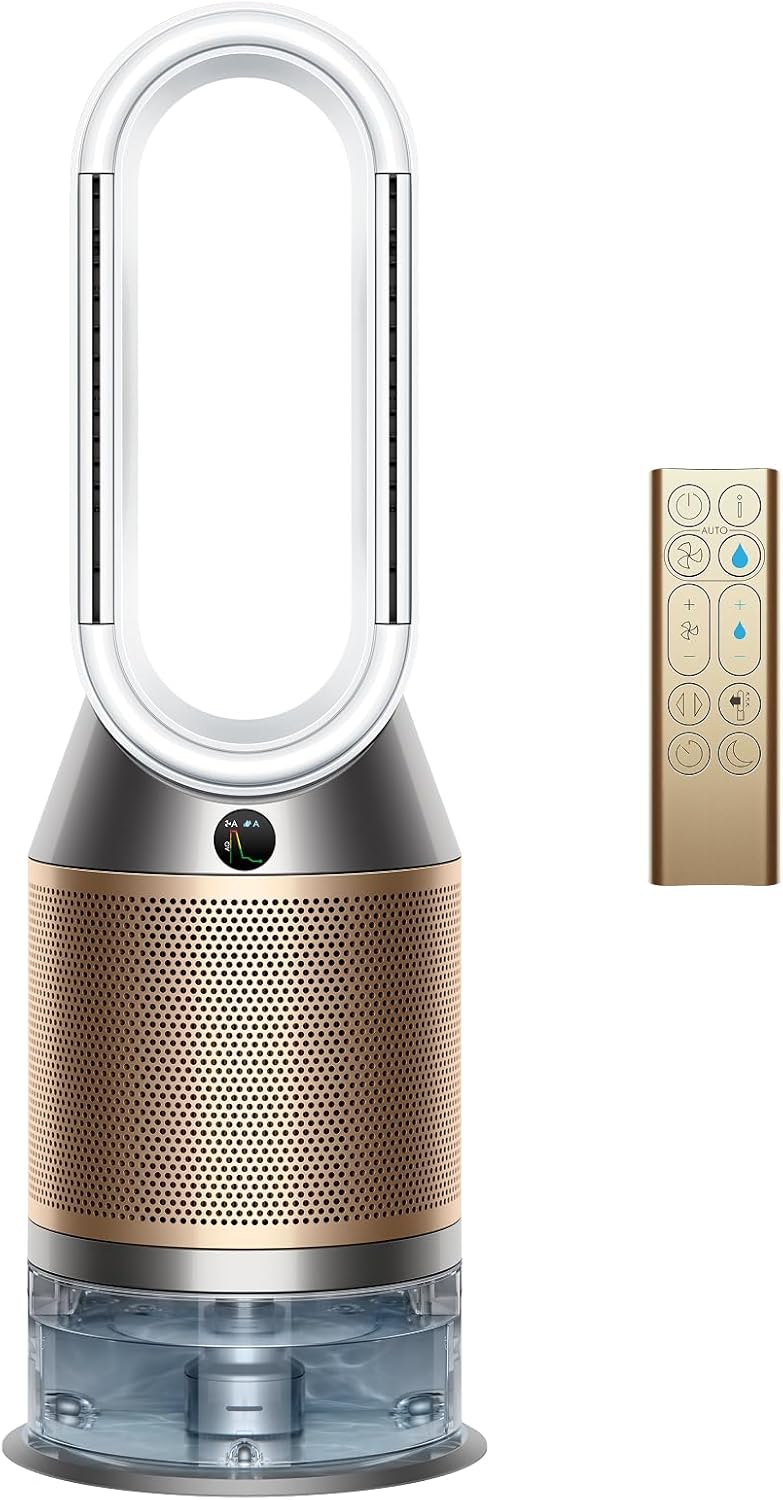 | |
Best for | Most homes (best “all-around”) | Bedroom / small rooms + smart control | Large rooms + open layouts | Pets + odor-leaning homes | Premium: purify + humidify + cooling |
Why it wins | Reliable performance + widely recommended | Strong usability + app/voice convenience | High CADR headroom for big spaces | Pet dander favorite + solid value testing | Multi-function comfort + advanced sensing |
“Real-life” strength | Easy to live with daily | Great “set it and forget it” | Big-room confidence | Smells + fur + everyday dust | One device replaces multiple appliances |
Watch-outs | Not the quietest on max | Not for huge open floor plans | Big footprint | Has ionizer feature (often optional) | Expensive + bigger maintenance routine |
Smart/app | Varies by version; strong basics | Yes (VeSync) | Yes (smart built-in) | Typically basic controls | Yes (MyDyson) |
Credible “why trust it” signal | Common top-pick in major roundups | Named best overall in testing roundup | Reported high CADR + large-room suitability | Stands out for pet dander in testing | Lab-tested favorite among purifier+humidifier combos |
Price |  | | | | |
What Most Top Articles Miss (and What We’re Doing Better)
Most carbon-filter explainers do one (or more) of these:
- Treat odors and VOCs as the same thing (they’re not).
- Claim carbon “removes VOCs” without telling you which VOCs (performance is compound-specific).
- Ignore the biggest practical factor: carbon amount + contact time (a thin carbon sheet ≠ a deep carbon bed).
- Don’t mention that standards for gas removal are evolving (AHAM AC-4 exists, but most shoppers aren’t shown usable results yet).
This guide is feature-first and reality-first: what carbon can do, what it can’t, and what to look for so you don’t buy hype.
First: Odors vs VOCs (quick clarity)
Odors
“Smell” is your nose reacting to airborne chemicals—often at extremely low concentrations.
VOCs
VOCs are a broad class of chemicals that can come from paints, cleaners, building materials, smoke, cooking, furnishings, etc. Not all VOCs smell strong, and not all “smells” are VOCs.
Key point: Gas-phase filtration is usually designed to target specific gases—so performance varies a lot.
Quick Picks for Best Air Purifier
- Best overall for most homes: Coway Airmega AP-1512HH Mighty
- Best smart-value for bedrooms/small living areas: Levoit Core 300S
- Best for large rooms + open layouts: Blueair Blue Pure 211i Max
- Best for pets (dander + lingering smells) on a sane budget: Winix 5500-2
- Best premium “air-care system” (purify + humidify + cool): Dyson Purifier Humidify+Cool PH2 De-NOx
How activated carbon works (in plain English)
Activated carbon is a porous material with a huge internal surface area. Many gases stick to that surface via adsorption (a surface process, not “absorption”).
But carbon has a finite capacity. Once the pores fill up, it stops removing much—meaning real odor/VOC performance depends on:
- How much carbon is in the filter
- What gases you’re dealing with
- How fast air moves through the carbon
- Humidity and other conditions
What activated carbon filters can fix
1) “Everyday odors” (especially when the carbon is substantial)
Cooking smells, pet funk, mild chemical odors—carbon can help here, especially if the unit uses a meaningful amount of carbon media (not a token layer). EPA describes gas-phase filters using sorbents like activated carbon to remove gases and odors.
2) Some VOCs—sometimes very well
The tricky part: VOC removal isn’t “all or nothing.” A 2025 study on portable gas-phase air cleaners found removal varied across different compounds, and that performance descriptions need to report removal effects for different organics.
That’s the real-world truth behind the marketing.
3) A “stopgap” improvement while you fix the source
If your home smells after painting, new furniture, a smoke event, or a renovation, carbon can take the edge off while off-gassing fades—but it’s not a substitute for ventilation and source control. EPA emphasizes that air cleaners can’t remove all pollutants in a home and that gas-phase filtration is limited and pollutant-specific.
Feature | |||||
|---|---|---|---|---|---|
| | | | | |
Best for | Most homes (best “all-around”) | Bedroom / small rooms + smart control | Large rooms + open layouts | Pets + odor-leaning homes | Premium: purify + humidify + cooling |
Why it wins | Reliable performance + widely recommended | Strong usability + app/voice convenience | High CADR headroom for big spaces | Pet dander favorite + solid value testing | Multi-function comfort + advanced sensing |
“Real-life” strength | Easy to live with daily | Great “set it and forget it” | Big-room confidence | Smells + fur + everyday dust | One device replaces multiple appliances |
Watch-outs | Not the quietest on max | Not for huge open floor plans | Big footprint | Has ionizer feature (often optional) | Expensive + bigger maintenance routine |
Smart/app | Varies by version; strong basics | Yes (VeSync) | Yes (smart built-in) | Typically basic controls | Yes (MyDyson) |
Credible “why trust it” signal | Common top-pick in major roundups | Named best overall in testing roundup | Reported high CADR + large-room suitability | Stands out for pet dander in testing | Lab-tested favorite among purifier+humidifier combos |
Price | | | | | |
What activated carbon filters can’t fix (the big disappointments)
1) They won’t remove every gas in a typical home
EPA is blunt: gas-phase filters are typically intended for one or a limited number of gaseous pollutants, and none are expected to remove all gaseous pollutants in a typical home.
2) They’re not a solution for “musty/moldy smell” if moisture is ongoing
A musty smell is often tied to microbial contamination + moisture. Particle-only filters won’t control gases/odors, and even gas-phase removal won’t solve a moisture-driven odor source. EPA’s technical summary explicitly notes particle-only devices can’t control gases and some odors, including musty/moldy odor from microbial contamination.
3) They don’t last “forever”
Adsorbent media has finite capacity and must be replaced regularly.
If you’re actively generating odors/VOCs (smoking indoors, constant frying, wet carpet, heavy cleaners), carbon can saturate much faster than the packaging suggests.
What to look for (so you get real odor/VOC reduction)
1) “More carbon” beats “carbon-coated”
If a listing is vague (“carbon filter included!”) assume it might be a thin impregnated layer.
Better signs:
- A deep carbon bed (more media volume)
- The brand discloses carbon weight or at least the media type (granular/pelletized)
Why it matters: performance and lifespan depend heavily on how much sorbent you have.
2) Evidence that the company tests gas removal (not just particles)
Historically, CADR standards focus on particles, not gases. EPA’s technical summary notes that current test standards rate CADR for particle removal, and gas-phase performance is more complex.
But there’s progress: AHAM AC-4 is a standardized method to assess reduction of certain chemical gases/odors for room air cleaners.
Practical takeaway: If a company cites AC-4 (or clearly publishes compound-specific gas test results), that’s more meaningful than “removes VOCs” with no details.
3) A realistic replacement plan
Carbon fills up. If replacement filters are hard to find or pricey, you’ll postpone changes and then wonder why “it stopped working.” EPA emphasizes sorbent filters must be replaced regularly for the application.
4) No ozone “odor tricks”
Avoid ozone generators marketed for odor control. CARB warns you should never use an air cleaner that deliberately produces ozone and notes it doesn’t clean the air and can be harmful.
The airflow tradeoff nobody explains well
There’s a real balancing act with gas removal:
- Higher airflow can increase “clean air delivered”
- But removal efficiency for some compounds can drop when air moves too fast through the media
A 2025 study observed decreased removal efficiency at higher airflow rates for some signals, even though the rate of clean air delivered was higher.
What this means for you at home: If odor/VOC control is the goal, you often want enough carbon and enough runtime, not just “max fan for 10 minutes.”
Carbon Filter Reality Check
Claim you’ll see | Reality | What to look for instead |
|---|---|---|
“Removes VOCs” | VOC removal is compound-specific; no filter removes all gases | Test results that name chemicals (or a standard like AHAM AC-4) |
“Eliminates odors” | Can reduce some odors; won’t fix ongoing sources (mold/moisture, smoke indoors) | Substantial carbon media + source control |
“Lasts 6–12 months” | Depends on pollutant load; carbon has finite capacity | A plan to replace sooner if odor returns |
“Ionizer/ozone for smells” | Ozone devices can be harmful and aren’t recommended | Mechanical filtration + carbon, no ozone |
The “no regrets” playbook for odors + VOCs
If you want carbon filtration to actually feel worth it:
- Reduce the source first (stop the smell/VOC generator when possible).
- Ventilate when outdoor air is clean enough (especially after painting/cleaning).
- Use a purifier that has:
- Meaningful carbon media
- A replacement plan you’ll actually follow
- Run it long enough to matter (think hours, not minutes), balancing noise and effectiveness.
- Avoid ozone.
FAQs: Do Activated Carbon Filters Remove Odors and VOCs?
Do activated carbon filters really remove VOCs?
They can remove some VOCs, but performance varies by compound and no home filter removes all gaseous pollutants in a typical home.
How long do activated carbon filters last for odors?
It depends on the odor load, airflow, and how much carbon is in the filter. Sorbent media has finite capacity and must be replaced regularly. A common sign it’s spent: odors return quickly even when the purifier is running.
Does HEPA remove odors or VOCs?
No—HEPA is for particles, not gases. EPA’s technical summary notes particle-only devices can’t control gases and some odors.
Is activated carbon the same as charcoal?
Activated carbon is a form of carbon processed to create a highly porous structure that improves adsorption. ASHRAE describes activated carbon as treated to enhance surface area and gas adsorption capability.
What is AHAM AC-4?
AHAM AC-4 is a standard test method designed to assess how effectively portable room air cleaners reduce certain chemical gases and odors.
Are ozone “air purifiers” good for odor removal?
CARB says you should never use an air cleaner that deliberately produces ozone; it doesn’t clean the air and can be harmful.
Bottom line
Activated carbon filters can help with odors and some VOCs—especially when there’s enough carbon media and you’re realistic about replacement and runtime. But carbon isn’t a magic eraser, and it won’t fix ongoing sources or remove every gas in your home.
Other Interesting Articles
- Best Air Purifier for Home (2026): Top 5 Picks That Actually Make a Difference
- PuroAir 240 vs Shark Air Purifier: Which One Should You Buy?
- PuroAir 240 vs Sans Air Purifier: Which One Should You Buy?
- PuroAir 240 vs Levoit 300: Which Air Purifier Is the Better Buy?
- PuroAir 240 vs PuroAir 400: Which One Actually Fits Your Home?
Author
HappyHomeNerd: We review home comfort gear the way real people use it: in lived-in rooms, with real sleep schedules, real pets, and real tolerance for noise.