I'm a participant in the Amazon Services LLC Associates Program, an affiliate advertising program designed to provide a means for me to earn fees by linking to Amazon.com and affiliated sites.
Want to know how to tell if your air purifier is working? The simplest proof your purifier is working is this: in a closed room, on a higher fan speed, airborne particles should drop noticeably within an hour—especially if the unit is properly sized by CADR and the filter is installed correctly. If nothing changes, it’s usually (1) wrong size, (2) wrong speed, (3) clogged/misinstalled filter, or (4) air is constantly being replaced (open doors/windows).
You don’t need lab gear to figure this out. You just need the right checks in the right order.
Our Recommended Picks
Feature | |||||
|---|---|---|---|---|---|
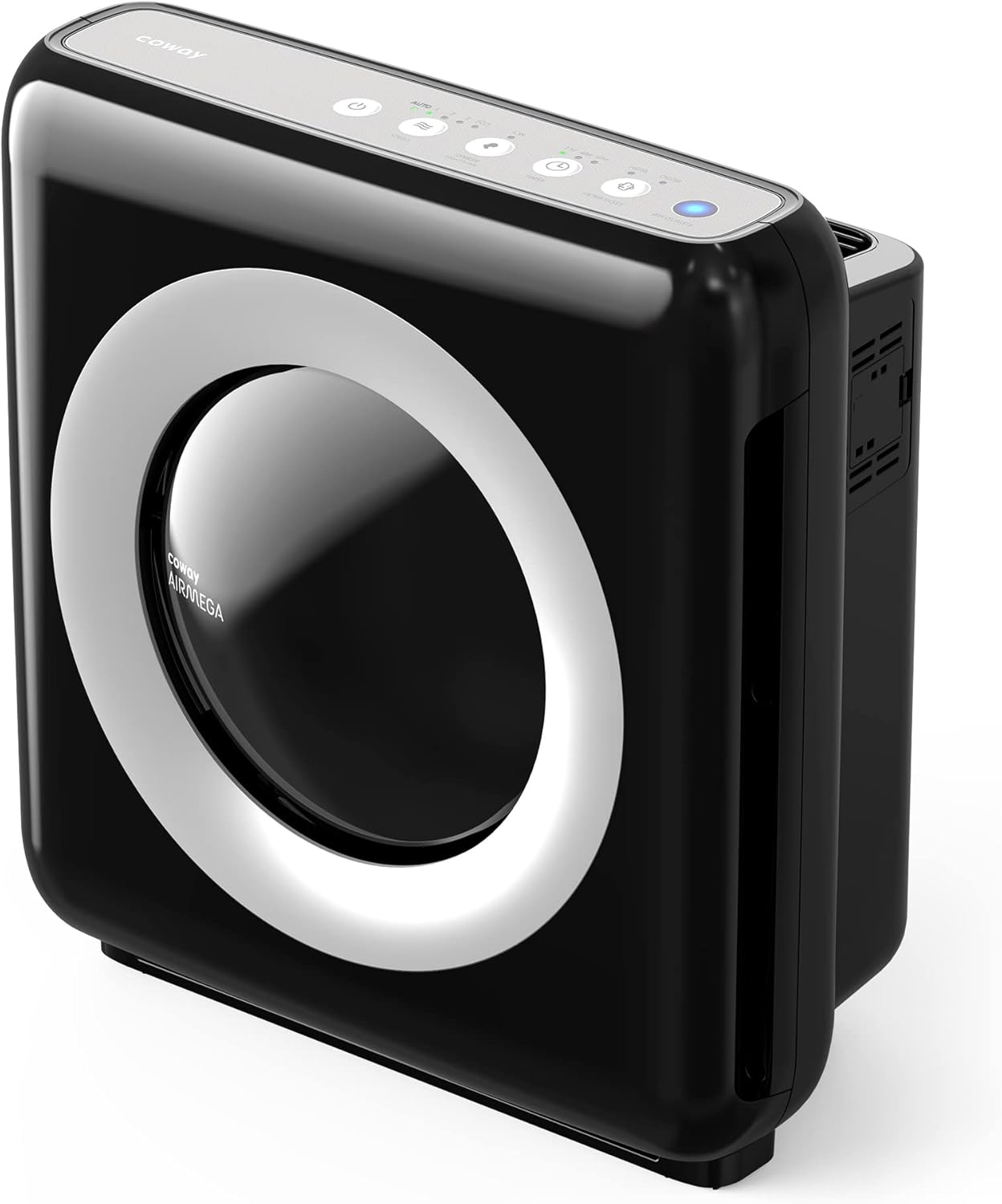 | 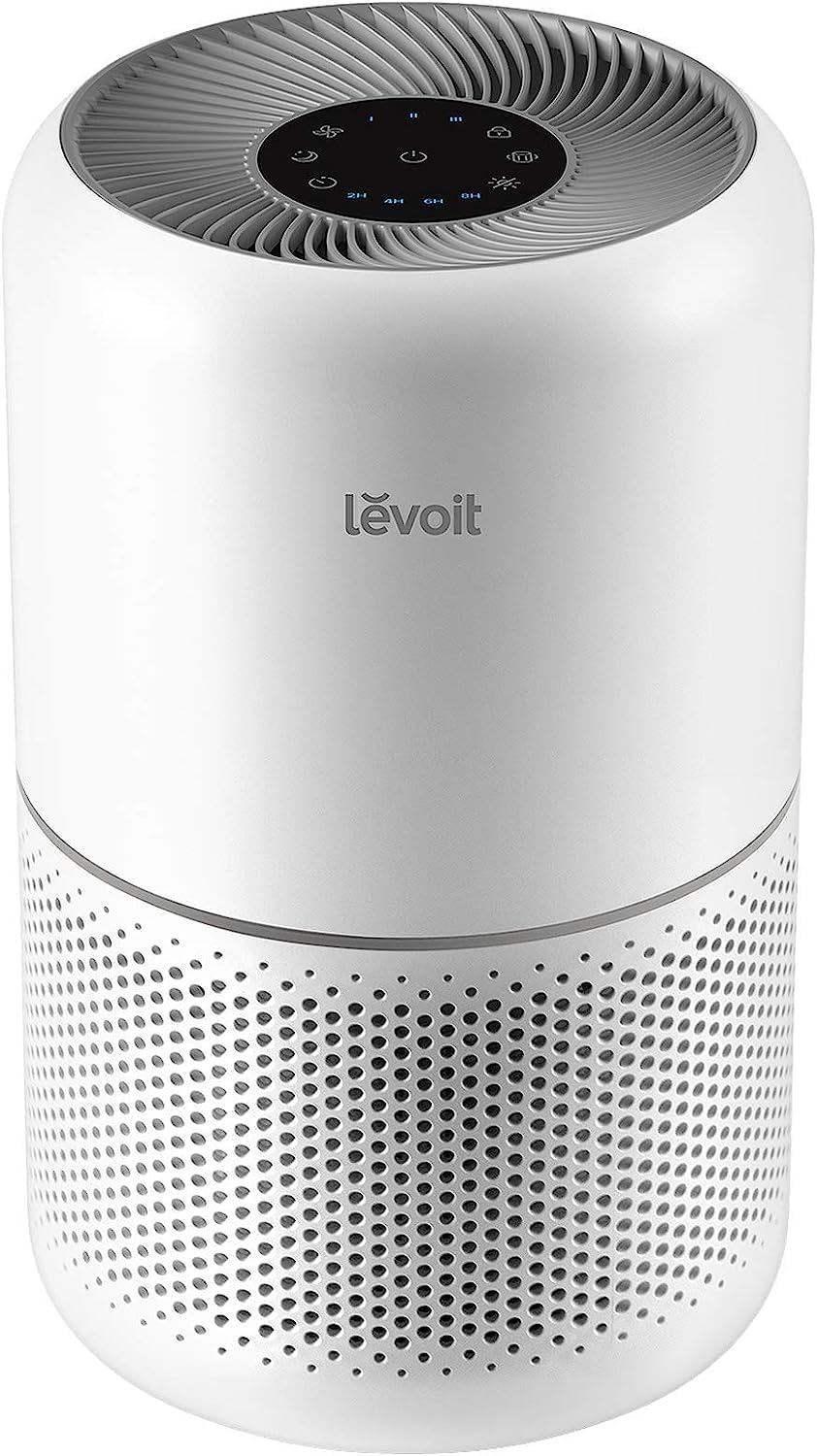 | 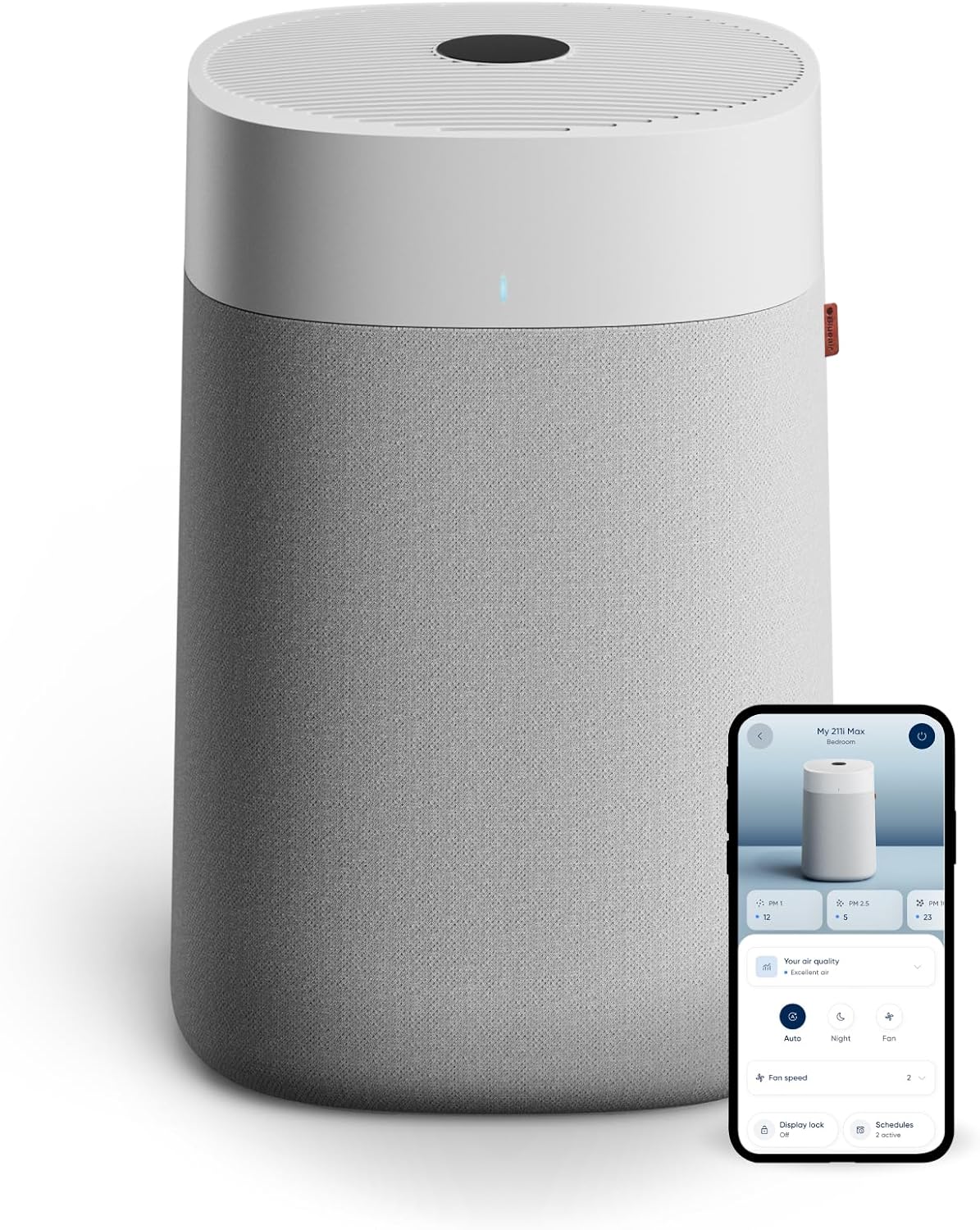 | 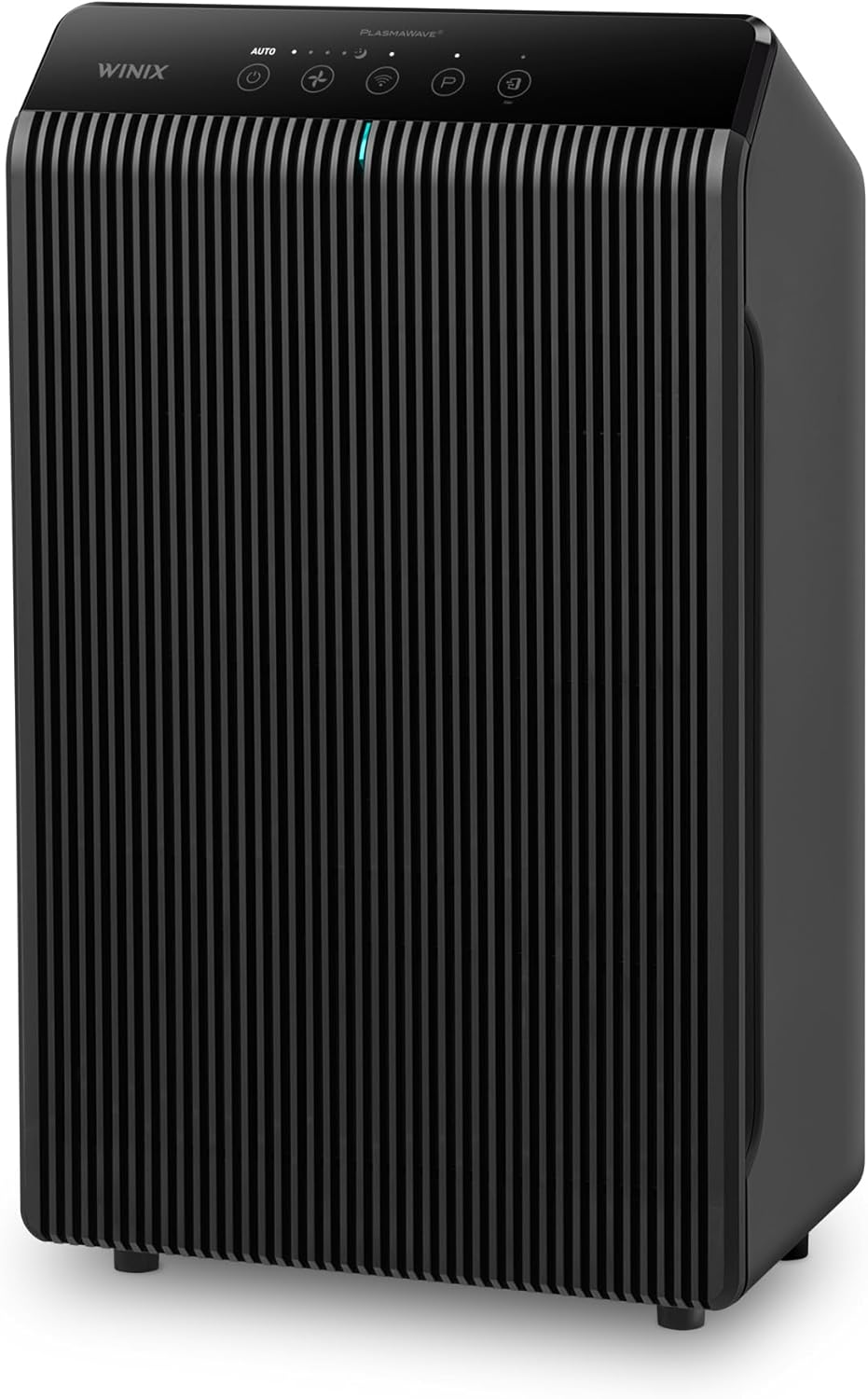 | 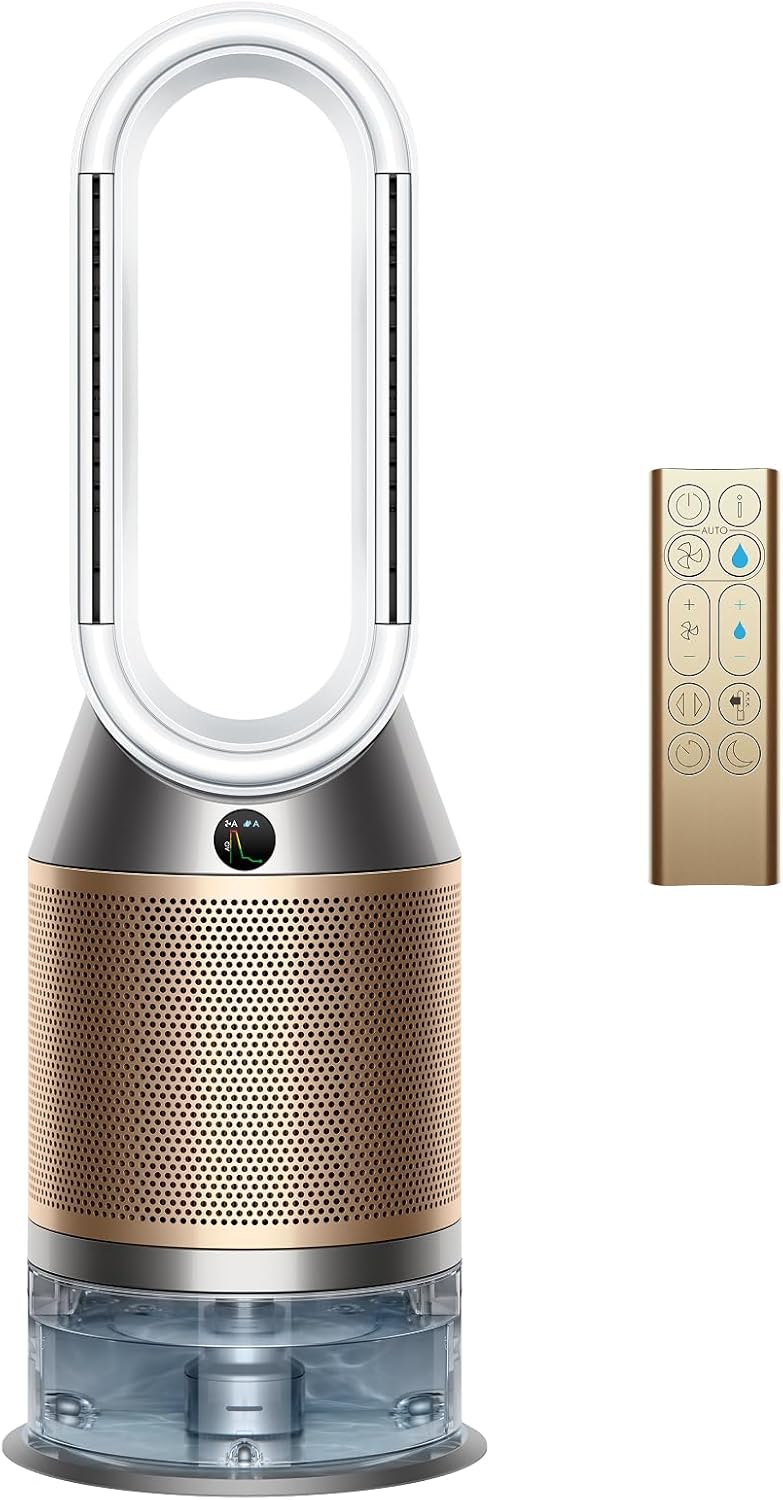 | |
Best for | Most homes (best “all-around”) | Bedroom / small rooms + smart control | Large rooms + open layouts | Pets + odor-leaning homes | Premium: purify + humidify + cooling |
Why it wins | Reliable performance + widely recommended | Strong usability + app/voice convenience | High CADR headroom for big spaces | Pet dander favorite + solid value testing | Multi-function comfort + advanced sensing |
“Real-life” strength | Easy to live with daily | Great “set it and forget it” | Big-room confidence | Smells + fur + everyday dust | One device replaces multiple appliances |
Watch-outs | Not the quietest on max | Not for huge open floor plans | Big footprint | Has ionizer feature (often optional) | Expensive + bigger maintenance routine |
Smart/app | Varies by version; strong basics | Yes (VeSync) | Yes (smart built-in) | Typically basic controls | Yes (MyDyson) |
Credible “why trust it” signal | Common top-pick in major roundups | Named best overall in testing roundup | Reported high CADR + large-room suitability | Stands out for pet dander in testing | Lab-tested favorite among purifier+humidifier combos |
Price |  | | | | |
What most “is it working?” guides miss
Most articles tell you vague signs like “less dust” and “better breathing.” Helpful… but not testable.
What they usually skip:
- CADR reality: Higher CADR cleans faster; CADR is based on the highest fan speed, and performance drops on lower speeds.
- A repeatable at-home test: close the room + run high + look for a measurable change (even with a basic monitor).
- The #1 failure point: dirty/overloaded filters (or the “plastic wrap still on the filter” classic).
So this guide is built around quick checks that actually diagnose what’s going on.
First: what “working” should look like
A purifier is “working” when it’s delivering enough filtered air for the space—CADR matched to room size—and you’re running it long enough and fast enough to matter.
Reality check: If you only run it on “Sleep/Low,” you may be getting a fraction of its advertised cleaning power. AHAM notes CADR is measured at the highest fan speed; if you run lower, efficacy and room coverage decrease.
Quick Picks for Best Air Purifier
- Best overall for most homes: Coway Airmega AP-1512HH Mighty
- Best smart-value for bedrooms/small living areas: Levoit Core 300S
- Best for large rooms + open layouts: Blueair Blue Pure 211i Max
- Best for pets (dander + lingering smells) on a sane budget: Winix 5500-2
- Best premium “air-care system” (purify + humidify + cool): Dyson Purifier Humidify+Cool PH2 De-NOx
The 2-minute “no gadgets” check (do this first)
1) Confirm the basics (it’s shocking how often this is the issue)
- Filter is installed in the correct direction (airflow arrow)
- No plastic packaging left on the filter
- Intake and outlet aren’t blocked by curtains/furniture
- The room you’re using it in matches the unit’s intended coverage (don’t expect a bedroom unit to clean a whole open-plan space)
CADR should be large enough for the room; higher CADR filters more particles and can serve a larger area.
2) Put your hand where the air comes out
You should feel a strong, consistent stream on medium/high.
If it feels weak even on high, that often points to:
- a clogged filter, or
- a unit that’s struggling / undersized / obstructed
3) Check the filter condition (don’t overthink it)
If it looks gray, fuzzy, or matted—especially the pre-filter—it’s time to clean/replace. A dirty, overloaded filter won’t work well.
The 30-minute “proof” test (still no gadgets)
This is the fastest way to tell if the purifier is doing anything meaningful.
Do this:
- Pick a small room (bedroom/office).
- Close windows. Close the door.
- Run the purifier on high for 30–60 minutes.
- After the hour, walk in and do the “air feel” check:
- Is the room less stuffy?
- Less noticeable “haze” in sunlight?
- Fewer lingering smells from normal life?
This isn’t perfect (your nose isn’t a particle meter), but it’s a strong first-pass sanity check.
If nothing changes at all, jump to the troubleshooting table below.
The simplest “real” test: use an indoor air quality monitor (optional, but super revealing)
If you want a clear yes/no, a basic indoor air monitor is the easiest upgrade.
Consumer Reports suggests simple ways to see whether monitors respond: for example, shaking a dusty rag near a monitor to see PM2.5 change (and testing VOC response with strong sources).
The nursery-safe, common-sense way to test (no smoke tricks)
- Place the monitor at breathing height (about 3–5 feet).
- Leave the room “normal” for 10 minutes to get a baseline.
- Turn purifier to high for 30–60 minutes in a closed room.
- Watch PM2.5 (and/or particle number if provided).
AirNow notes portable air cleaners with high-efficiency filters can reduce indoor particle concentrations substantially, and that performance depends on whether it’s turned on and fan speed.
What you’re looking for
- PM2.5 should trend downward as the purifier runs (especially after a spike from normal activity like walking around, fluffing bedding, or vacuuming in a different room).
If PM2.5 doesn’t budge, that’s a clue:
- undersized CADR,
- too low a speed,
- filter problem,
- or constant new air/particles entering.
Our Recommended Picks
Feature | |||||
|---|---|---|---|---|---|
| | | | | |
Best for | Most homes (best “all-around”) | Bedroom / small rooms + smart control | Large rooms + open layouts | Pets + odor-leaning homes | Premium: purify + humidify + cooling |
Why it wins | Reliable performance + widely recommended | Strong usability + app/voice convenience | High CADR headroom for big spaces | Pet dander favorite + solid value testing | Multi-function comfort + advanced sensing |
“Real-life” strength | Easy to live with daily | Great “set it and forget it” | Big-room confidence | Smells + fur + everyday dust | One device replaces multiple appliances |
Watch-outs | Not the quietest on max | Not for huge open floor plans | Big footprint | Has ionizer feature (often optional) | Expensive + bigger maintenance routine |
Smart/app | Varies by version; strong basics | Yes (VeSync) | Yes (smart built-in) | Typically basic controls | Yes (MyDyson) |
Credible “why trust it” signal | Common top-pick in major roundups | Named best overall in testing roundup | Reported high CADR + large-room suitability | Stands out for pet dander in testing | Lab-tested favorite among purifier+humidifier combos |
Price | | | | | |
Why “less dust on furniture” can be a misleading metric
Dust on surfaces is influenced by:
- how often you clean,
- airflow patterns,
- fabrics shedding fibers,
- and how much you’re stirring up.
CADR is about airborne particle removal, not keeping every surface pristine. It’s better to judge performance by airborne changes (monitor trend, or at least the closed-room proof test).
Troubleshooting table: symptom → likely cause → fix
What you notice | Most likely cause | The fix that usually works |
|---|---|---|
“It’s quiet, but I don’t feel a difference.” | Running on low; CADR measured on high; low speed reduces efficacy/coverage | Size up for the room or run higher for 30–60 min “boost” periods |
PM2.5 won’t drop in a closed room | Undersized CADR or airflow blocked | Move purifier to open airflow + verify CADR is right for room size |
Airflow feels weak even on high | Filter overloaded / clogged | Replace/clean filters per manual; check for plastic wrap |
Works in bedroom, fails in living room | Open-plan space too large; doorways constantly exchanging air | Add a second unit or treat the living room+kitchen as one big space |
Smells remain even with purifier on | Odors/VOCs need gas media; particle filters don’t fix all gases | Source control + ventilation; consider meaningful activated carbon if odors are the goal |
“Auto mode never ramps up.” | Sensor placement/behavior varies; room air may be mixing poorly | Manually run medium/high during known spikes (cooking, cleaning), then return to baseline |
The 3 settings that prove performance (and fit real life)
1) Baseline + Boost (best for most homes)
AirNow notes portable air cleaners can be operated continuously, and effectiveness depends on fan speed and whether it’s on.
- Baseline: low/auto all day (the loudest setting you can tolerate)
- Boost: high for 30–60 minutes after cooking, cleaning, guests, pet grooming
2) The “clean room” method (when you want maximum proof)
Use one room, close it, run high. This is also the approach recommended in wildfire smoke guidance: focus filtration in a single room and run continuously when needed.
3) The “sleep proof” method (for bedrooms)
Run high for 30 minutes before bed, then drop to the quietest setting that still keeps PM2.5 trending down (if you have a monitor).
FAQs: How to Tell If Your Air Purifier Is Working
How long does it take to notice an air purifier working?
In a closed room with a properly sized purifier and higher fan speed, you should often see airborne particles trend down within an hour. Speed depends heavily on CADR and fan speed.
Can I test my air purifier by burning incense or a candle?
You can, but it’s not my favorite “simple” test—especially around kids, pets, or anyone sensitive to smoke. A safer approach is using normal household activity (walking around, making the bed) and watching PM2.5 on a monitor.
Why does my purifier only seem to work on the highest setting?
Because CADR is measured on the highest fan speed, and lower speeds reduce efficacy and room coverage.
How do I know if my purifier is too small for the room?
If you can’t get noticeable improvement unless it’s on high (or your PM2.5 barely drops), you probably need more CADR for that space. EPA and ENERGY STAR both emphasize CADR as the key sizing metric.
Can a dirty filter make an air purifier “stop working”?
Yes. A dirty/overloaded filter won’t work well, and performance depends on proper care and replacement.
Bottom line
To tell if your purifier is working, you don’t need guesswork—you need a quick, repeatable setup:
- Closed room
- High speed
- 30–60 minutes
- Look for a real change (best: PM2.5 trending down)
Other Interesting Articles
- Best Air Purifier for Home (2026): Top 5 Picks That Actually Make a Difference
- PuroAir 240 vs Shark Air Purifier: Which One Should You Buy?
- PuroAir 240 vs Sans Air Purifier: Which One Should You Buy?
- PuroAir 240 vs Levoit 300: Which Air Purifier Is the Better Buy?
- PuroAir 240 vs PuroAir 400: Which One Actually Fits Your Home?
Author
HappyHomeNerd: We review home comfort gear the way real people use it: in lived-in rooms, with real sleep schedules, real pets, and real tolerance for noise