I'm a participant in the Amazon Services LLC Associates Program, an affiliate advertising program designed to provide a means for me to earn fees by linking to Amazon.com and affiliated sites.
Here’s the verdict: If you size an air purifier by CADR (not just “up to X sq ft”), you’ll avoid 90% of buyer regret. CADR is the spec that tells you how fast a purifier can actually clean the air. That will make it easy to know how to choose the right size air purifier for your home. We will go further into detail with our room by room guide below.
Fast rule to remember:
✅ Minimum: Smoke CADR ≈ 2/3 of your room’s square footage (the classic sizing rule of thumb).
🔥 Better for wildfire smoke: Smoke CADR ≈ 1× your room’s square footage (if you can swing it).
😷 Better for allergies: Aim for purifiers sized to deliver about 4.8 air changes per hour in that room (AHAM Verifide baseline).
Our Recommended Picks
Feature | |||||
|---|---|---|---|---|---|
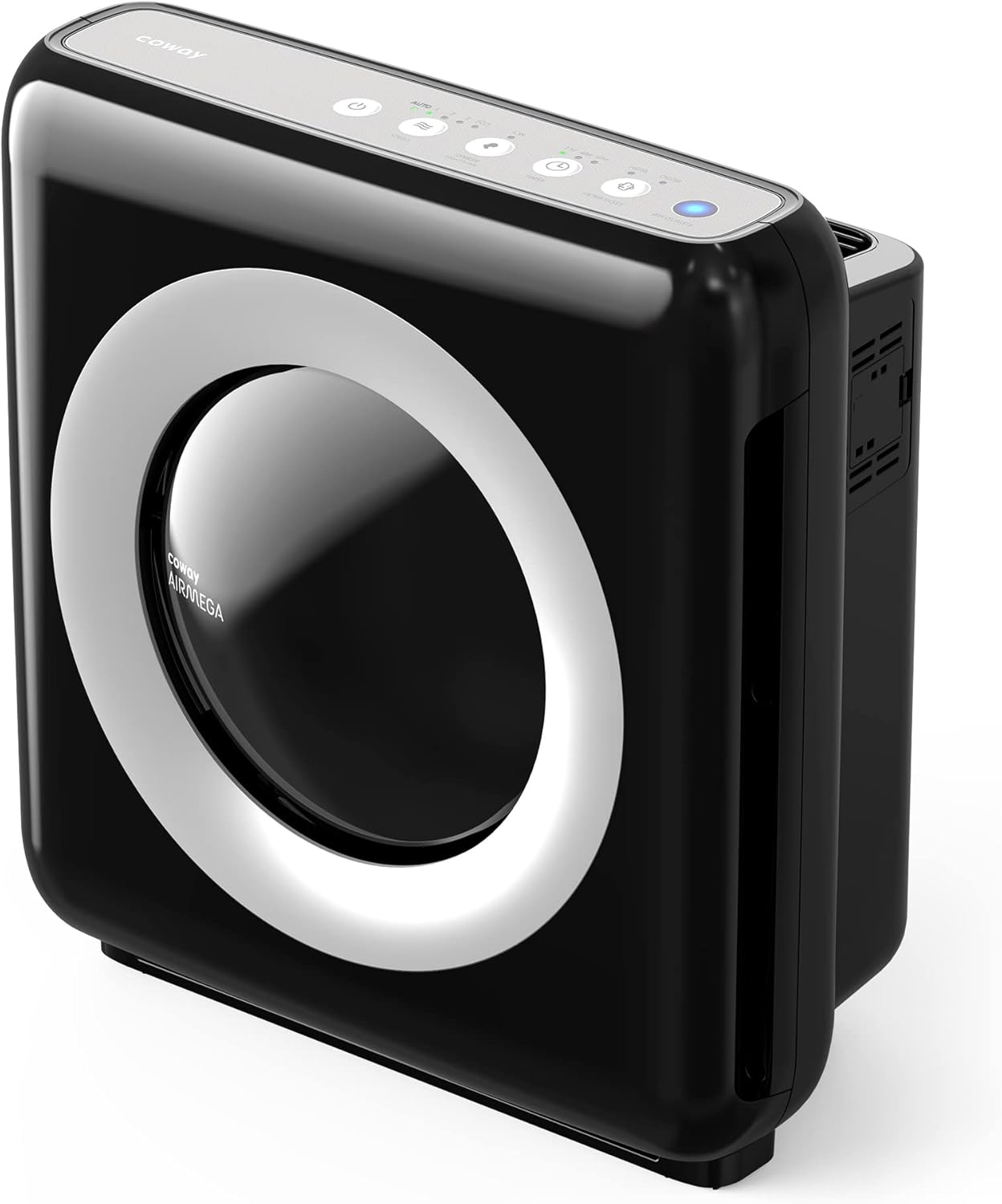 | 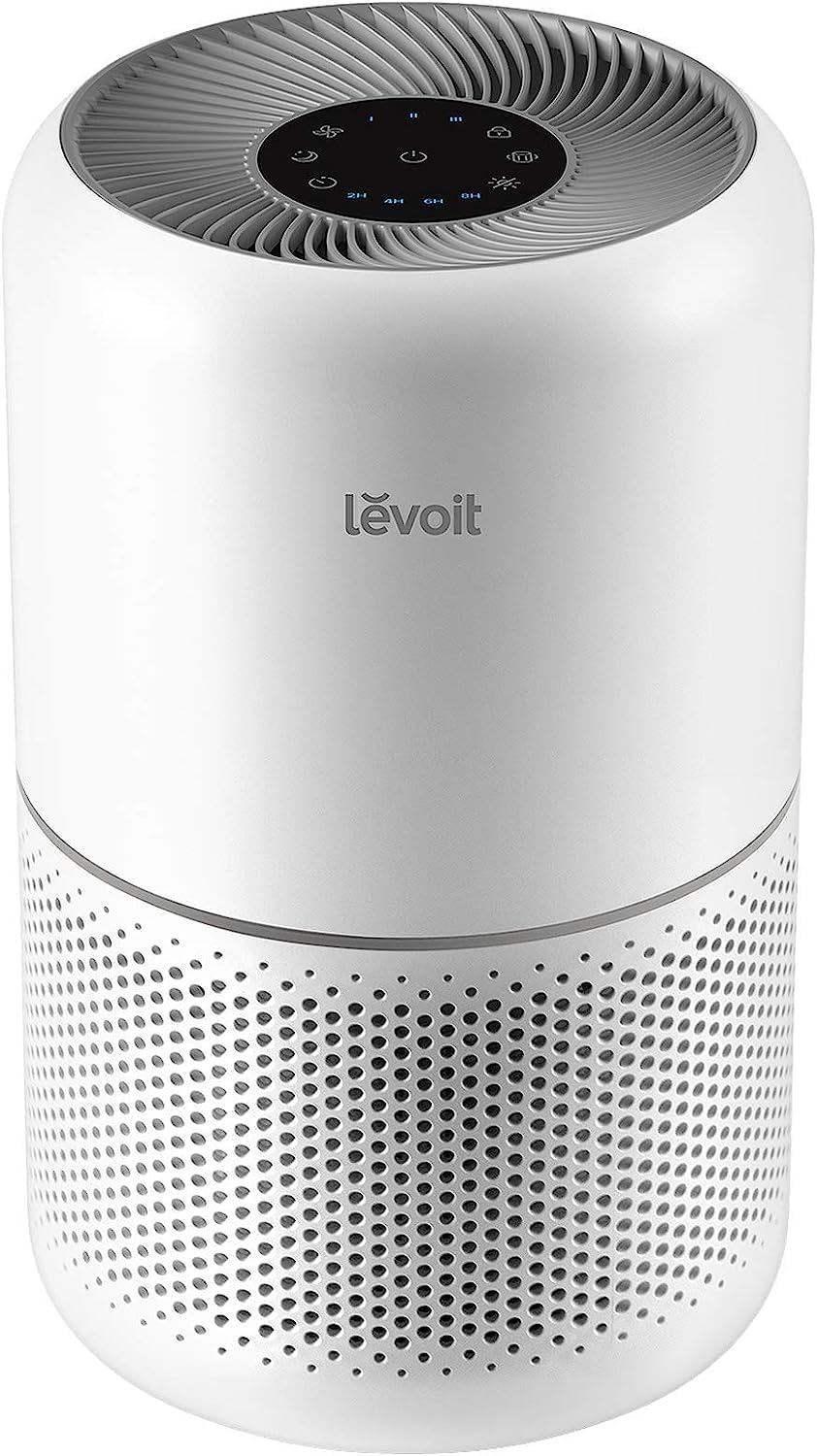 | 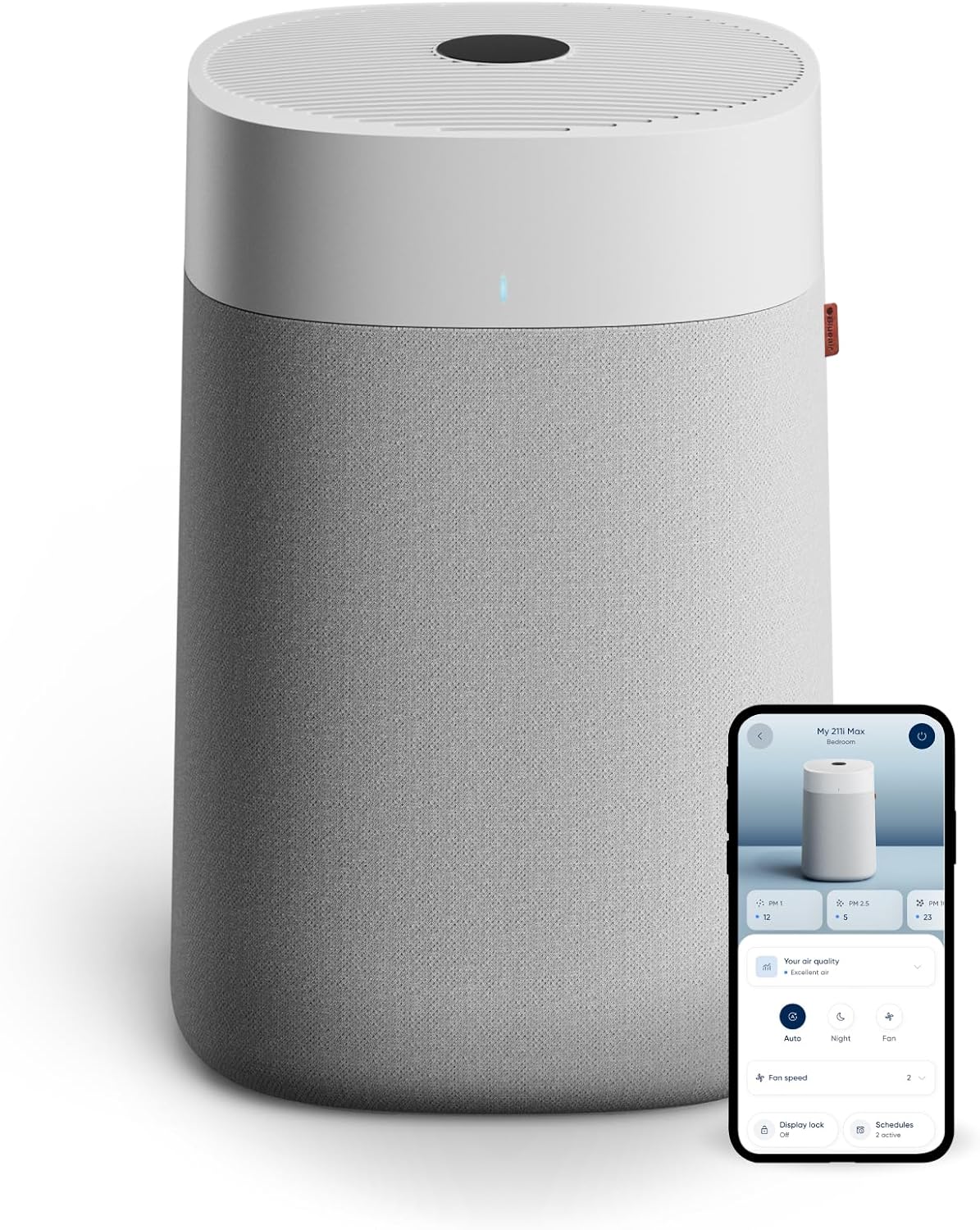 |  |  | |
Best for | Most homes (best “all-around”) | Bedroom / small rooms + smart control | Large rooms + open layouts | Pets + odor-leaning homes | Premium: purify + humidify + cooling |
Why it wins | Reliable performance + widely recommended | Strong usability + app/voice convenience | High CADR headroom for big spaces | Pet dander favorite + solid value testing | Multi-function comfort + advanced sensing |
“Real-life” strength | Easy to live with daily | Great “set it and forget it” | Big-room confidence | Smells + fur + everyday dust | One device replaces multiple appliances |
Watch-outs | Not the quietest on max | Not for huge open floor plans | Big footprint | Has ionizer feature (often optional) | Expensive + bigger maintenance routine |
Smart/app | Varies by version; strong basics | Yes (VeSync) | Yes (smart built-in) | Typically basic controls | Yes (MyDyson) |
Credible “why trust it” signal | Common top-pick in major roundups | Named best overall in testing roundup | Reported high CADR + large-room suitability | Stands out for pet dander in testing | Lab-tested favorite among purifier+humidifier combos |
Price |  | | | | |
Quick Snapshot
- If you only read one section: Use CADR, not marketing square footage.
- If you have allergies: Size for faster air changes, not “bare minimum coverage.”
- If you have an open floor plan: One “big” purifier often disappoints—two correctly placed units usually feels better.
What Top Articles Miss (and what we’re fixing)
Most top-ranking “what size air purifier do I need?” posts:
- Treat “up to 1,000 sq ft” as meaningful without explaining air changes per hour (ACH).
- Skip the simplest buyer-friendly math: 2/3 CADR rule and the ACH formula.
- Don’t adjust for real homes: open layouts, tall ceilings, doorways, and the “I run it on low because noise” reality.
We’re fixing that with two sizing methods + room-by-room targets + worked examples grounded in AHAM/EPA guidance.
Quick Picks for Best Air Purifier
- Best overall for most homes: Coway Airmega AP-1512HH Mighty
- Best smart-value for bedrooms/small living areas: Levoit Core 300S
- Best for large rooms + open layouts: Blueair Blue Pure 211i Max
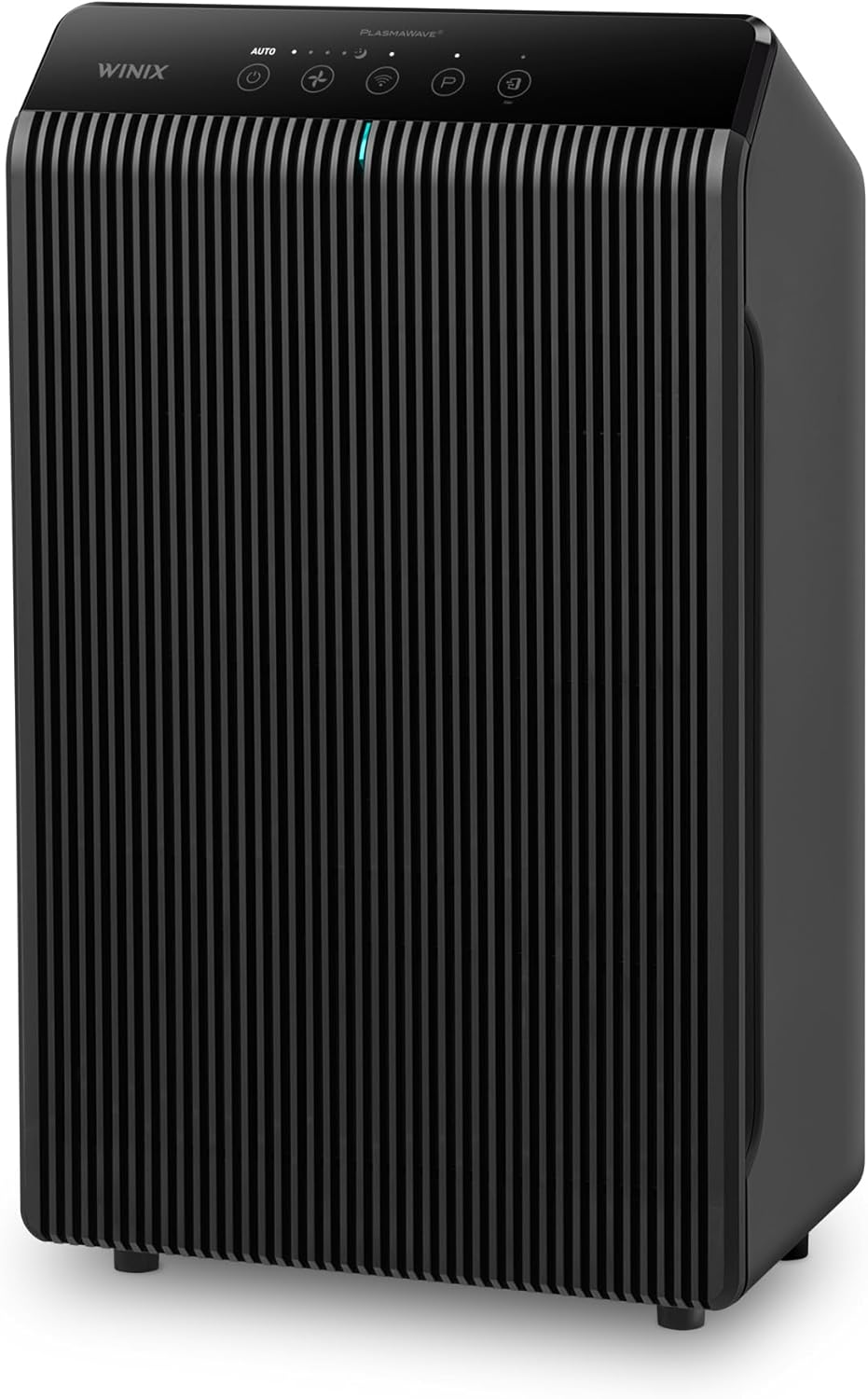
- Best for pets (dander + lingering smells) on a sane budget: Winix 5500-2
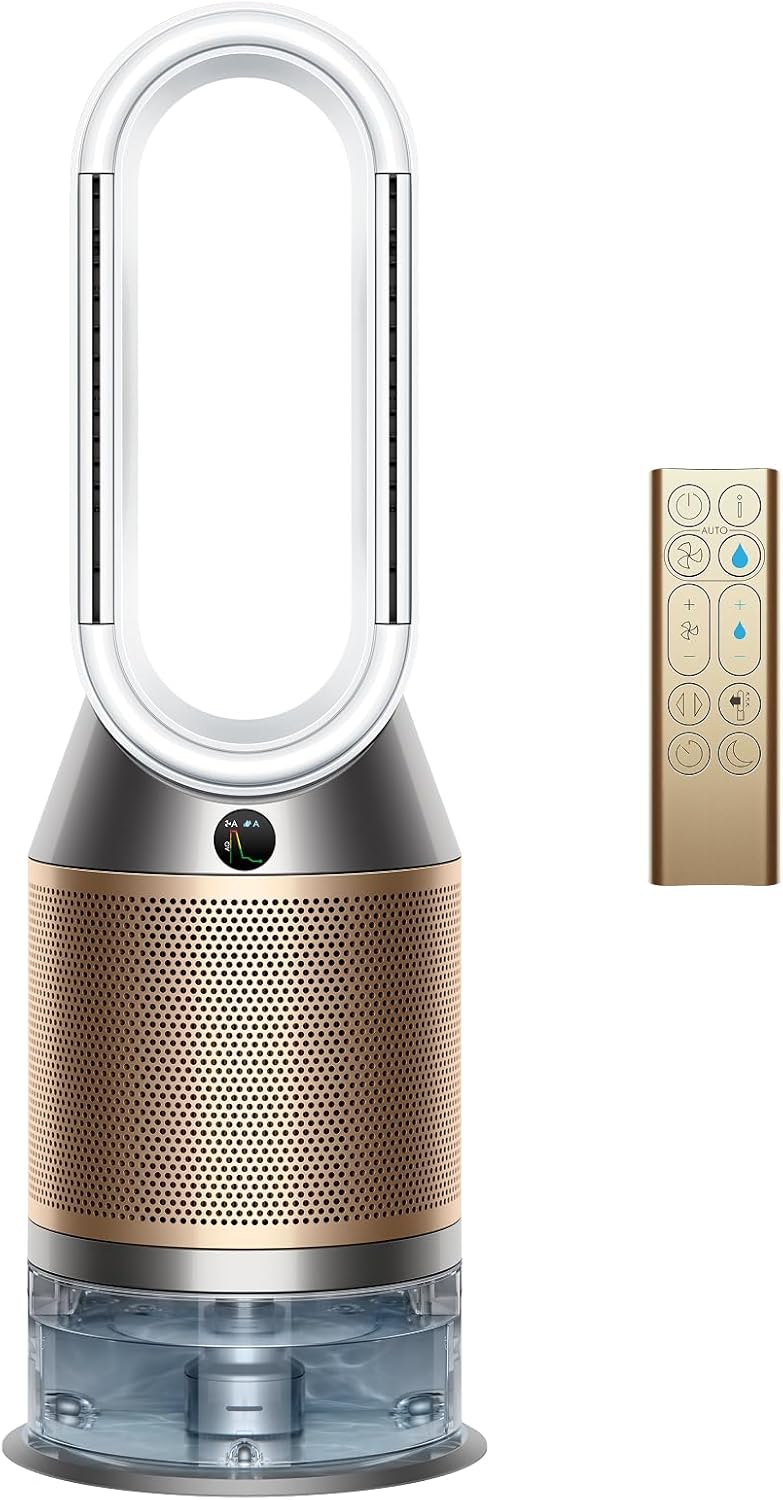
- Best premium “air-care system” (purify + humidify + cool): Dyson Purifier Humidify+Cool PH2 De-NOx
Step 1: Pick your “target room” (don’t start with the whole house)
Start with the room where you spend the most time with the door closed:
- Bedroom (sleep is 1/3 of your life)
- Living room (where pets + cooking air mingle)
- Nursery / office (sensitive lungs + long hours)
For wildfire smoke events, EPA recommends setting up a single “clean room” (doors/windows closed) and sizing the purifier to that room.
Step 2: Measure your room (two numbers)
- Square footage: length × width
- Ceiling height: standard 8 ft or taller?
Why ceiling height matters: a 200 sq ft room with 12 ft ceilings has 50% more air volume than an 8 ft room.
Step 3: Choose your goal (this changes the “right” size)
Goal A: Everyday dust + general allergies (typical home)
- Use the 2/3 CADR rule as a minimum starting point.
Goal B: Noticeable allergy relief (pollen/pets/asthma-prone homes)
- Size for ~4.8 ACH in that room (AHAM Verifide baseline for suggested room size).
Goal C: Wildfire smoke / heavy smoke events
- EPA guidance: smoke (tobacco) CADR at least 2/3 of room area.
- AHAM adds: for wildfire smoke, targeting smoke CADR ≈ room area is even better when possible.
Step 4: Use one of these two sizing methods
Method 1 (Fast + good): The 2/3 CADR rule
Minimum smoke CADR ≈ (room sq ft) ÷ 1.5 (same idea as “2/3 of area”).
Example: 180 sq ft bedroom → minimum smoke CADR ≈ 120
This matches widely used consumer guidance and aligns with EPA wildfire sizing examples.
Feature | |||||
|---|---|---|---|---|---|
| | | | | |
Best for | Most homes (best “all-around”) | Bedroom / small rooms + smart control | Large rooms + open layouts | Pets + odor-leaning homes | Premium: purify + humidify + cooling |
Why it wins | Reliable performance + widely recommended | Strong usability + app/voice convenience | High CADR headroom for big spaces | Pet dander favorite + solid value testing | Multi-function comfort + advanced sensing |
“Real-life” strength | Easy to live with daily | Great “set it and forget it” | Big-room confidence | Smells + fur + everyday dust | One device replaces multiple appliances |
Watch-outs | Not the quietest on max | Not for huge open floor plans | Big footprint | Has ionizer feature (often optional) | Expensive + bigger maintenance routine |
Smart/app | Varies by version; strong basics | Yes (VeSync) | Yes (smart built-in) | Typically basic controls | Yes (MyDyson) |
Credible “why trust it” signal | Common top-pick in major roundups | Named best overall in testing roundup | Reported high CADR + large-room suitability | Stands out for pet dander in testing | Lab-tested favorite among purifier+humidifier combos |
Price | | | | | |
Method 2 (More accurate): Size by air changes per hour (ACH)
Required CADR (CFM) = (Room volume × target ACH) ÷ 60
- Room volume = sq ft × ceiling height
- Target ACH:
- 4.8 ACH = strong baseline for meaningful cleaning (AHAM Verifide suggested room size standard)
- Many people go higher for smoke, but 4.8 is a solid “serious buyer” target.
If you want a calculator instead of math, Harvard’s tool lets you plug in room size and targets to estimate CADR needs.
Room-by-Room Guide (with concrete sizing examples)
Bedroom (most common upgrade)
Typical: 10′ × 12′ = 120 sq ft
- Minimum (2/3 rule): smoke CADR ≥ 80
- Allergy-focused (4.8 ACH at 8 ft ceilings):
- Volume = 120 × 8 = 960 cu ft
- CADR ≈ (960 × 4.8) ÷ 60 = 76.8 CFM
- In real shopping, you’d round up (because you won’t run it on max forever).
HappyHomeNerd take: Bedrooms are where “quiet on low” matters most. If the purifier is loud, you’ll turn it down…and undersize yourself.
Living room (where “I bought the wrong size” happens)
Typical: 16′ × 20′ = 320 sq ft
- Minimum (2/3 rule): smoke CADR ≥ ~213
- Better for smoke: smoke CADR closer to 320 if you can
Open layout warning: If your living room opens into a kitchen/hallway, treat it like a bigger space. One unit may struggle unless it has real CADR headroom.
Kitchen-adjacent spaces (odors + particles)
Air purifiers help most with particles (smoke, grease aerosols). Odors/VOCs depend more on carbon amount + airflow.
Size it like your living room, then place it away from the stove but in the same “air path.” EPA notes clean rooms should avoid particle-generating activities like cooking when you’re trying to keep air clean.
Nursery / kids’ room
Same sizing as a bedroom, but prioritize:
- Quiet at night
- Easy filter availability
- A model you’ll actually run consistently
Basement / musty room
Two truths:
- Purifiers can reduce particles and some odor, but
- Mustiness often means moisture. Fix humidity too.
Still size by CADR/ACH. If the basement is open and large, consider two units.
Cheat Sheet: Room size → CADR targets
Room Size (sq ft) | Minimum Smoke CADR (2/3 rule) | Better Smoke CADR (1× area) |
|---|---|---|
100 | 67 | 100 |
150 | 100 | 150 |
200 | 133 | 200 |
300 | 200 | 300 |
400 | 267 | 400 |
500 | 333 | 500 |
700 | 467 | 700 |
Minimum sizing aligns with common CADR rule-of-thumb and EPA wildfire “2/3 area” guidance; “better” aligns with AHAM’s wildfire-smoke recommendation when feasible.
The 5 sizing mistakes that waste money
- Buying for “whole house” instead of one real room
- Trusting “up to X sq ft” without CADR context
- Ignoring ceiling height
- Ignoring open layouts (air doesn’t respect your listing’s math)
- Undersizing because you plan to run it on low (low fan = lower CADR)
FAQs: How to Choose the Right Size Air Purifier for Your Home?
What size air purifier do I need for a 300 sq ft room?
Start with smoke CADR ≥ 200 (2/3 rule). If smoke is a concern, pushing toward 300 is better.
What does CADR mean on an air purifier?
CADR (Clean Air Delivery Rate) is the amount of clean air a purifier delivers—higher CADR generally means faster cleaning. Consumer Reports and EPA both use CADR as a core sizing guide.
Is a bigger air purifier always better?
Only if you’ll tolerate the noise and footprint. Bigger units can let you run at a lower speed (quieter) while still cleaning effectively—great for living rooms.
How many air purifiers do I need for my home?
Often one per main zone: a bedroom zone + a living area zone. EPA wildfire guidance also supports focusing on a single “clean room” when conditions are bad.
What’s a good ACH target for allergies?
AHAM Verifide suggested room sizing is designed around 4.8 ACH, which is a strong baseline for meaningful cleaning.
Final Take (what to do next)
- Pick the one room you want to feel the difference in first.
- Measure sq ft (and ceiling height if it’s not standard).
- Choose your goal:
- Everyday: 2/3 CADR rule
- Allergies: size toward 4.8 ACH
- Smoke: at least 2/3, ideally closer to 1× room area when possible
- If your home is open concept, plan for more CADR or more units.
Other Interesting Articles
- Best Air Purifier for Home (2026): Top 5 Picks That Actually Make a Difference
- PuroAir 240 vs Shark Air Purifier: Which One Should You Buy?
- PuroAir 240 vs Sans Air Purifier: Which One Should You Buy?
- PuroAir 240 vs Levoit 300: Which Air Purifier Is the Better Buy?
- PuroAir 240 vs PuroAir 400: Which One Actually Fits Your Home?
Author
HappyHomeNerd: We review home comfort gear the way real people use it: in lived-in rooms, with real sleep schedules, real pets, and real tolerance for noise.