I'm a participant in the Amazon Services LLC Associates Program, an affiliate advertising program designed to provide a means for me to earn fees by linking to Amazon.com and affiliated sites.
The fastest way to beat stubborn cooking smells is a 2-part routine: vent first, filter second. Use your range hood every time (and keep it running 10–20 minutes after), then run a properly sized particle purifier (CADR) with a real activated carbon stage for odors—especially in open-plan apartments. A purifier helps, but it won’t win alone if grease, humidity, or poor ventilation keeps “feeding” the smell.
Our Recommended Picks
Feature | |||||
|---|---|---|---|---|---|
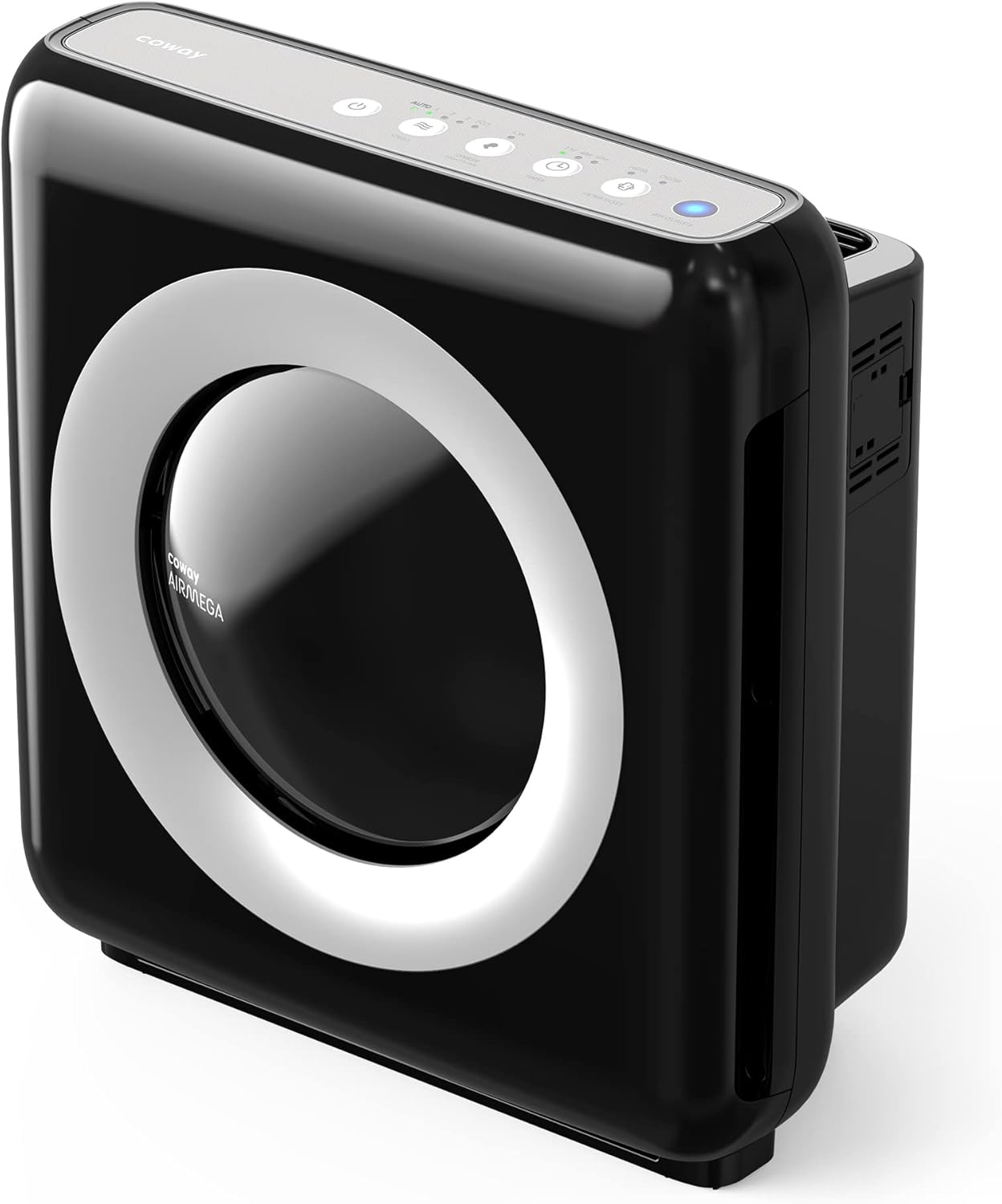 | 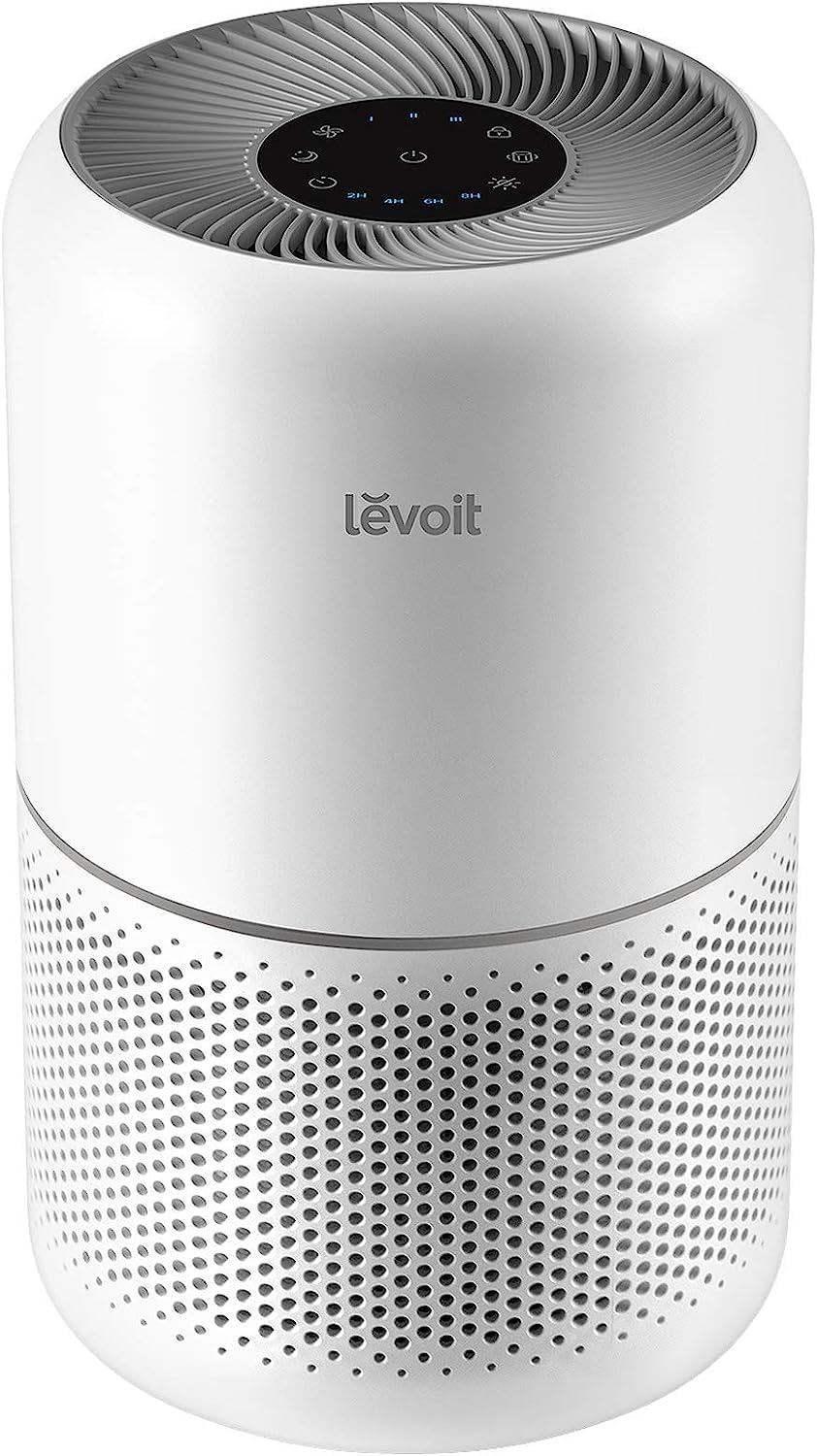 | 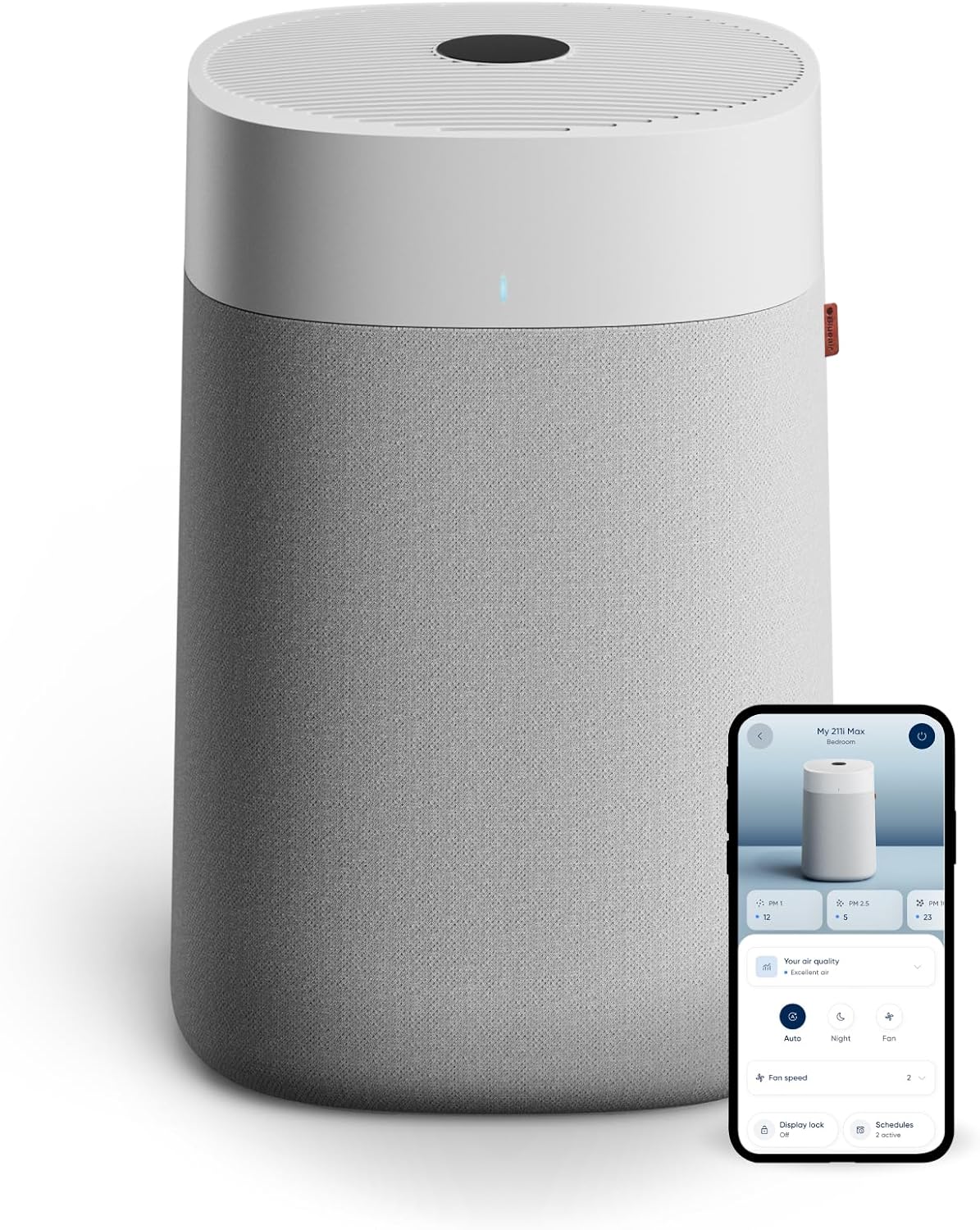 |  |  | |
Best for | Most homes (best “all-around”) | Large rooms + open layouts | Pets + odor-leaning homes | Premium: purify + humidify + cooling | |
Why it wins | Reliable performance + widely recommended | Strong usability + app/voice convenience | High CADR headroom for big spaces | Pet dander favorite + solid value testing | Multi-function comfort + advanced sensing |
“Real-life” strength | Easy to live with daily | Great “set it and forget it” | Big-room confidence | Smells + fur + everyday dust | One device replaces multiple appliances |
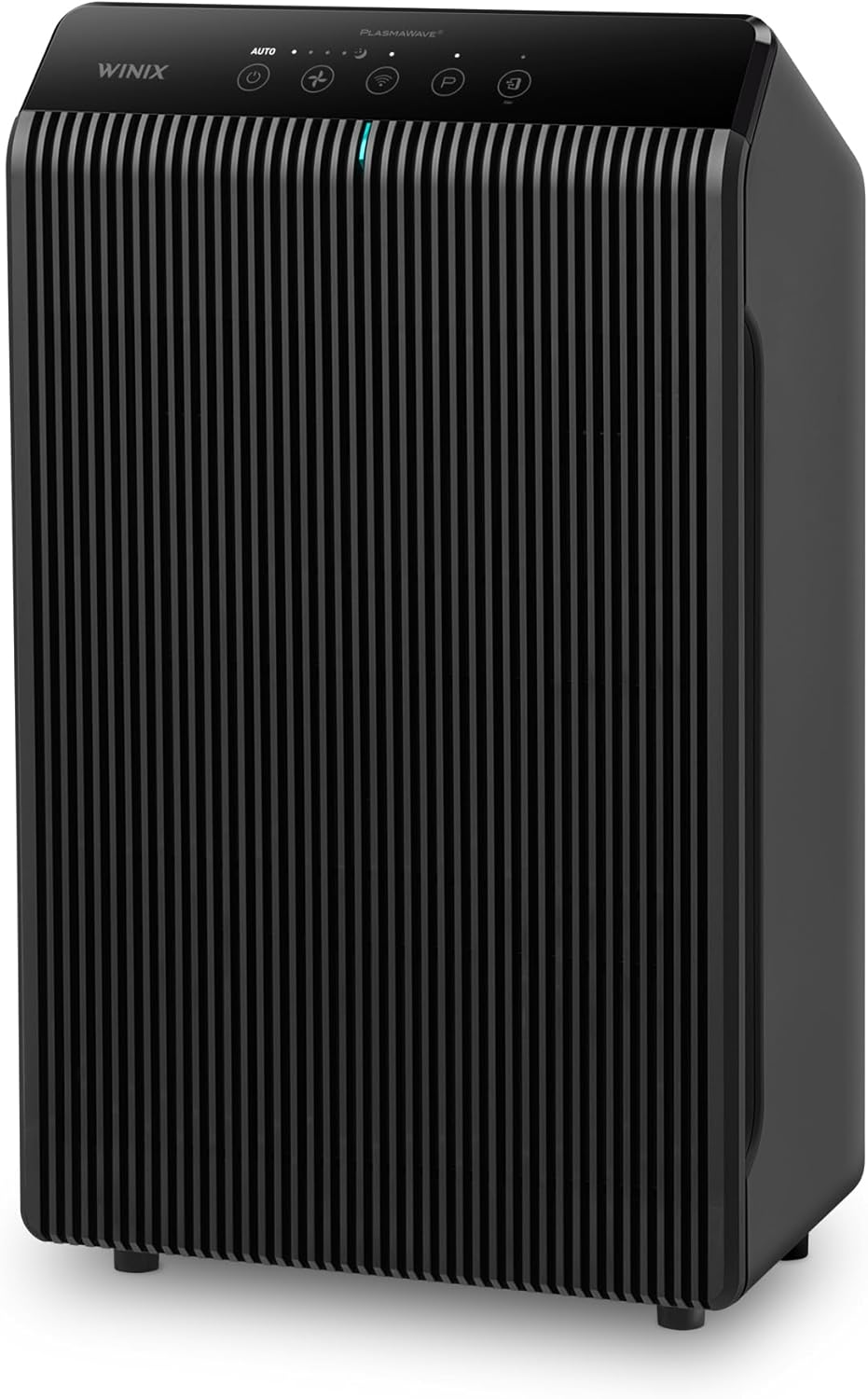
Watch-outs | Not the quietest on max | Not for huge open floor plans | Big footprint | Has ionizer feature (often optional) | Expensive + bigger maintenance routine |
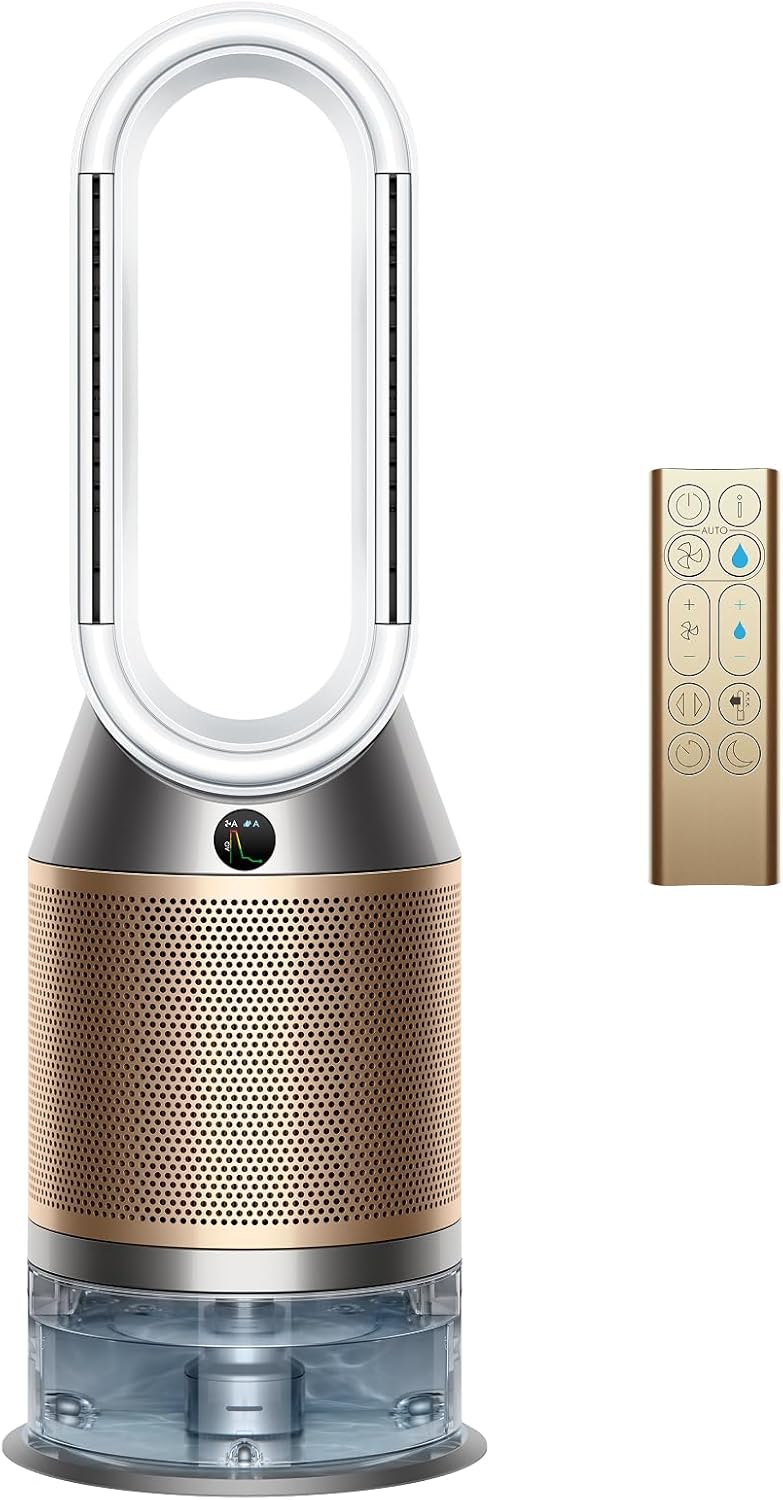
Smart/app | Varies by version; strong basics | Yes (VeSync) | Yes (smart built-in) | Typically basic controls | Yes (MyDyson) |
Credible “why trust it” signal | Common top-pick in major roundups | Named best overall in testing roundup | Reported high CADR + large-room suitability | Stands out for pet dander in testing | Lab-tested favorite among purifier+humidifier combos |
Price |  | | | | |
What most kitchen articles get wrong
Most guides either:
- Push “carbon filters” without saying the key detail: carbon only works well when there’s a large amount of media (thin sheets saturate fast).
- Skip the #1 move for cooking pollution: use the range hood and let it run after cooking.
- Ignore that kitchens create particles + gases + moisture + grease—and no purifier solves all of that. Ventilation and source control still matter.
This article gives you a repeatable routine that works in real homes.
Why cooking smells linger (even with a purifier)
Cooking creates a mix of:
- Particles (smoke/aerosols that cling to fabrics and surfaces)
- Odor-causing gases/VOCs
- Moisture (steam that spreads odor and sticks to surfaces)
- Grease film (odor gets “stored” on cabinets, walls, and filters)
If ventilation is weak, indoor pollutant levels climb because the air isn’t being diluted or carried out.
What an air purifier can (and can’t) fix in a kitchen
It can help with particles (and make the air feel “cleaner” faster)
That’s where CADR matters: higher CADR generally means faster particle removal in that space.
It can sometimes help with odors/VOCs—but only with real gas media
EPA notes activated carbon filters can be effective, but only if there’s a large amount of material in the filter—and there’s no widely used, simple “CADR for gases” rating like there is for particles.
It can’t replace ventilation or fix the source
If the odor source is still being generated (grease buildup, damp trash, burnt residue, poor exhaust), the smell will rebound. Ventilation is still foundational.
Quick Picks for Best Air Purifier
- Best overall for most homes: Coway Airmega AP-1512HH Mighty
- Best smart-value for bedrooms/small living areas: Levoit Core 300S
- Best for large rooms + open layouts: Blueair Blue Pure 211i Max
- Best for pets (dander + lingering smells) on a sane budget: Winix 5500-2
- Best premium “air-care system” (purify + humidify + cool): Dyson Purifier Humidify+Cool PH2 De-NOx
The best kitchen air purifier routine (before, during, after)
1) Before cooking (30 seconds)
- Turn on the range hood first. Don’t wait until smoke shows up.
- If outdoor air is decent, crack a window briefly to help airflow (especially if your hood is weak/recirculating). Ventilation reduces indoor buildup when sources are active.
2) During cooking (the “don’t let it spread” phase)
- Keep the hood running the whole time.
- If you’re searing/frying, set the hood higher and keep the kitchen doorways as “contained” as your layout allows.
Why: Using stove range hoods while cooking can greatly reduce indoor particulate exposure.
3) After cooking (the part most people skip)
- Leave the range hood on for 10–20 minutes after cooking.
- Run the purifier on high for 30–60 minutes, then drop to a baseline setting.
This combo clears what the hood missed and helps prevent “next day kitchen smell.”
Our Recommended Picks
Feature | |||||
|---|---|---|---|---|---|
| | | | | |
Best for | Most homes (best “all-around”) | Bedroom / small rooms + smart control | Large rooms + open layouts | Pets + odor-leaning homes | Premium: purify + humidify + cooling |
Why it wins | Reliable performance + widely recommended | Strong usability + app/voice convenience | High CADR headroom for big spaces | Pet dander favorite + solid value testing | Multi-function comfort + advanced sensing |
“Real-life” strength | Easy to live with daily | Great “set it and forget it” | Big-room confidence | Smells + fur + everyday dust | One device replaces multiple appliances |
Watch-outs | Not the quietest on max | Not for huge open floor plans | Big footprint | Has ionizer feature (often optional) | Expensive + bigger maintenance routine |
Smart/app | Varies by version; strong basics | Yes (VeSync) | Yes (smart built-in) | Typically basic controls | Yes (MyDyson) |
Credible “why trust it” signal | Common top-pick in major roundups | Named best overall in testing roundup | Reported high CADR + large-room suitability | Stands out for pet dander in testing | Lab-tested favorite among purifier+humidifier combos |
Price | | | | | |
What to look for in an air purifier for cooking smells
1) Enough particle performance for the space (CADR)
Use CADR (especially smoke CADR) to size it.
Easy rule: Smoke CADR ≥ 2/3 of room square footage.
For wildfire/smoke events, AHAM notes you may want even more (often closer to 1:1).
Kitchen reality: many kitchens are attached to living rooms. Size for the combined open area, not the little kitchen footprint.
2) A real activated carbon stage (not a token layer)
EPA’s plain-English warning: carbon can work if there’s a large amount of material.
What that means when shopping:
- Prefer thicker/deeper carbon media (more capacity)
- Expect to replace gas media more often if you cook heavily
3) A pre-filter you’ll actually maintain
Kitchens have grease and lint. A pre-filter helps protect the main filter and keeps performance steadier.
Placement: where to put it in a kitchen (without ruining the filters)
Best placement
- Put the purifier just outside the “splatter zone”, where it can pull mixed air—not directly beside the stove.
- Keep intake/outlet unblocked (no wedging behind cabinets).
What to avoid
- Right next to the stove or fryer: you’ll load filters with grease fast.
- In a corner behind a trash can: you’ll cut airflow and keep odors trapped.
Best settings for kitchen odor control
You’ll get the best results with a baseline + boost strategy.
Baseline (daily)
- Run at a steady low/medium during waking hours (or use Auto if it behaves well).
Boost (odor spikes)
Run high:
- During searing/frying
- For 30–60 minutes after cooking
- During cleanup (wiping surfaces kicks particles back up)
EPA also emphasizes that higher fan speeds and longer run times increase filtration—lower speeds filter less air.
Best Air Purifier Routine Table
Cooking situation | Range hood routine | Purifier routine | Extra step that helps a lot |
|---|---|---|---|
Normal dinner (baking, simmering) | On during cooking + 10–20 min after | High 30 min → baseline | Wipe stovetop/counters same night |
Frying/searing/blackened foods | High during cooking + 20 min after | High 60 min → baseline | Crack window briefly if outdoor air is good |
Fish / strong spice night | On early + 20 min after | High 60–90 min → baseline | Take trash out (odor source control) |
Open-plan kitchen + living room | On every cook + 20 min after | Use CADR sized for combined area | Consider 2 units for better coverage (kitchen zone + living zone) |
The 7 mistakes that keep cooking smells trapped
- Not using the range hood (or turning it on too late).
- Turning the hood off immediately—skip the 10–20 min run-on.
- Buying by “up to ___ sq ft” instead of sizing by CADR.
- Expecting a thin carbon sheet to handle heavy cooking odors (it saturates fast).
- Placing the purifier in the grease zone (filters clog fast).
- Forgetting the real odor reservoirs: trash, sink drain, grease film, soft surfaces.
- Using “ozone” devices for odor removal (don’t). CARB recommends ozone generators not be used due to ineffectiveness and health risks.
FAQs: The Best Air Purifier Routine for Kitchens
Can an air purifier remove cooking smells?
Sometimes—if it has meaningful activated carbon. EPA notes carbon can be effective when there’s a large amount of material, but no purifier removes all gases in typical homes.
What works better for cooking smells: range hood or air purifier?
Range hood first. EPA says using a stove range hood while cooking can greatly reduce indoor particulate exposure, and recommends leaving it on 10–20 minutes after cooking. A purifier is the support act.
How long should I run an air purifier after cooking?
A good starting routine is 30–60 minutes on high, then drop to a baseline setting—longer for frying, fish, or smoke-heavy cooking. Longer runtime and higher fan speeds filter more air.
Why do cooking smells stay overnight?
Because odors stick to grease films and soft surfaces, and inadequate ventilation lets pollutants build up instead of being exhausted outdoors.
Are ozone “air purifiers” good for kitchen odors?
No. CARB recommends ozone generators not be used; they’re ineffective at cleaning indoor air and ozone can be harmful.
Bottom line
If cooking smells won’t leave, stop treating it like a “purifier problem.”
Run this winning routine:
- Hood on early
- Hood stays on 10–20 minutes after
- Purifier high 30–60 minutes post-cook
- Baseline the rest of the day
- Use a unit sized by CADR and a real carbon stage for odors
Other Interesting Articles
- Best Air Purifier for Home (2026): Top 5 Picks That Actually Make a Difference
- PuroAir 240 vs Shark Air Purifier: Which One Should You Buy?
- PuroAir 240 vs Sans Air Purifier: Which One Should You Buy?
- PuroAir 240 vs Levoit 300: Which Air Purifier Is the Better Buy?
- PuroAir 240 vs PuroAir 400: Which One Actually Fits Your Home?
Author
HappyHomeNerd: We review home comfort gear the way real people use it: in lived-in rooms, with real sleep schedules, real pets, and real tolerance for noise.