I'm a participant in the Amazon Services LLC Associates Program, an affiliate advertising program designed to provide a means for me to earn fees by linking to Amazon.com and affiliated sites.
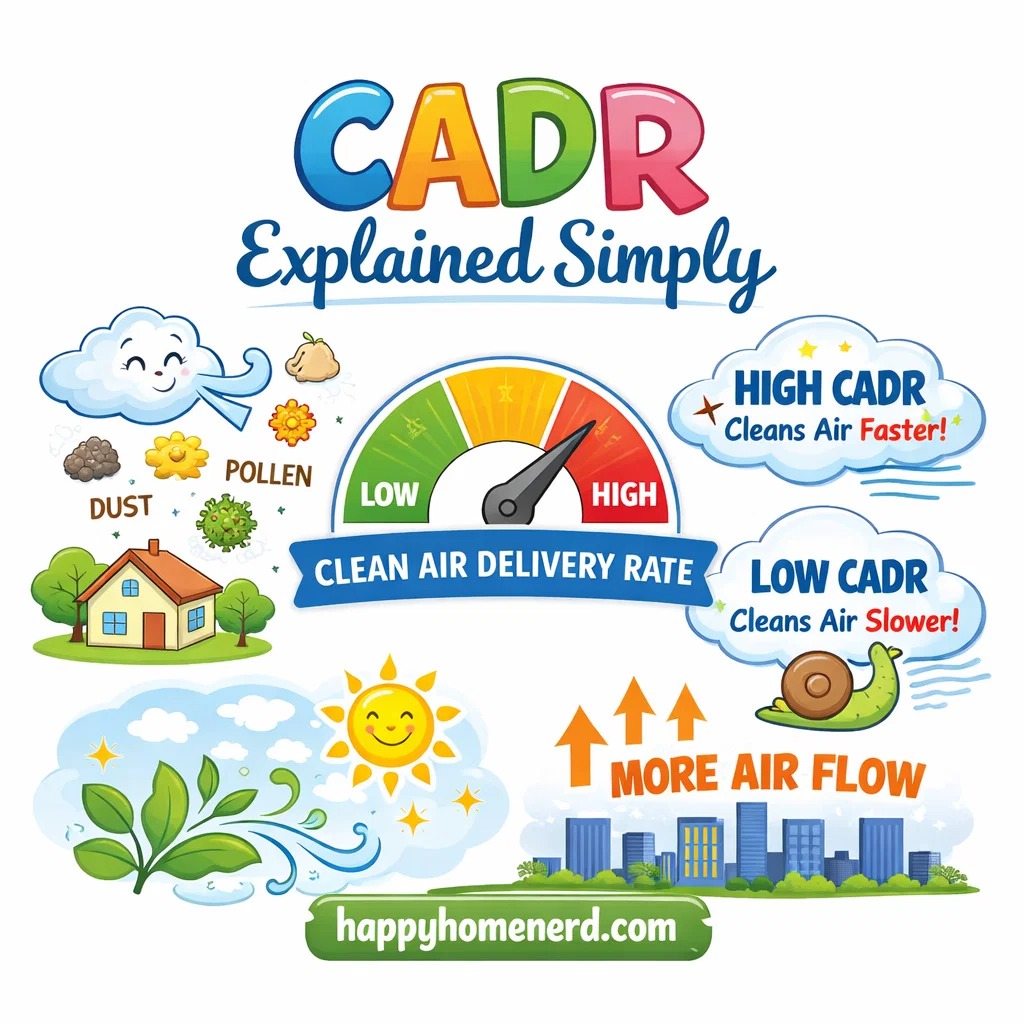
If you want an air purifier that actually feels effective, shop by CADR first. It’s the closest thing to a “speed rating” for how much clean air a purifier can deliver in a real room. Our CADR Explained Simply guide will show you exactly why this predicts performance so well.
And here’s the key: filter type tells you what it can capture; CADR tells you how fast it can do it. A great HEPA filter in an undersized unit is still an undersized unit.
Our Recommended Picks
Feature | |||||
|---|---|---|---|---|---|
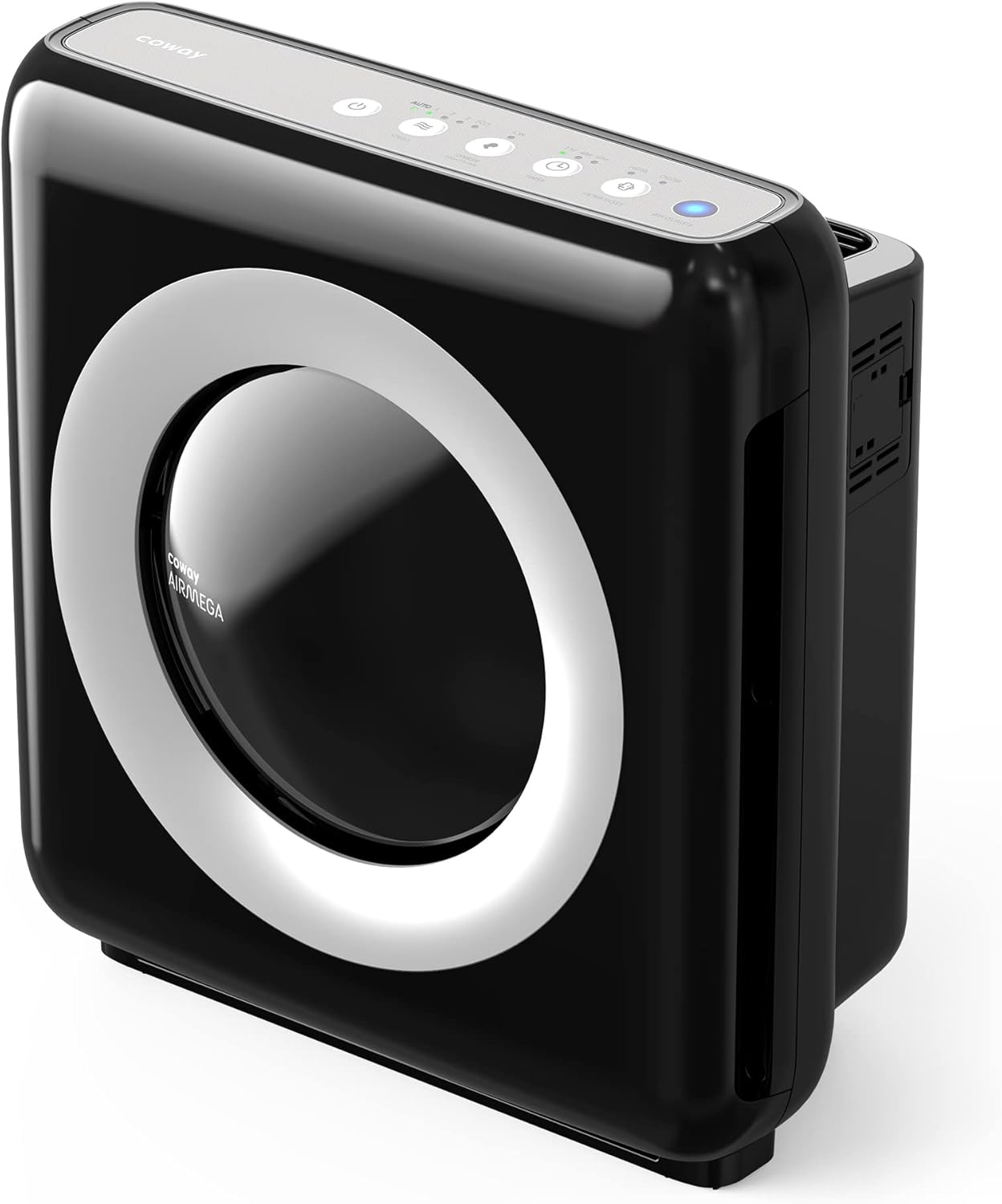 | 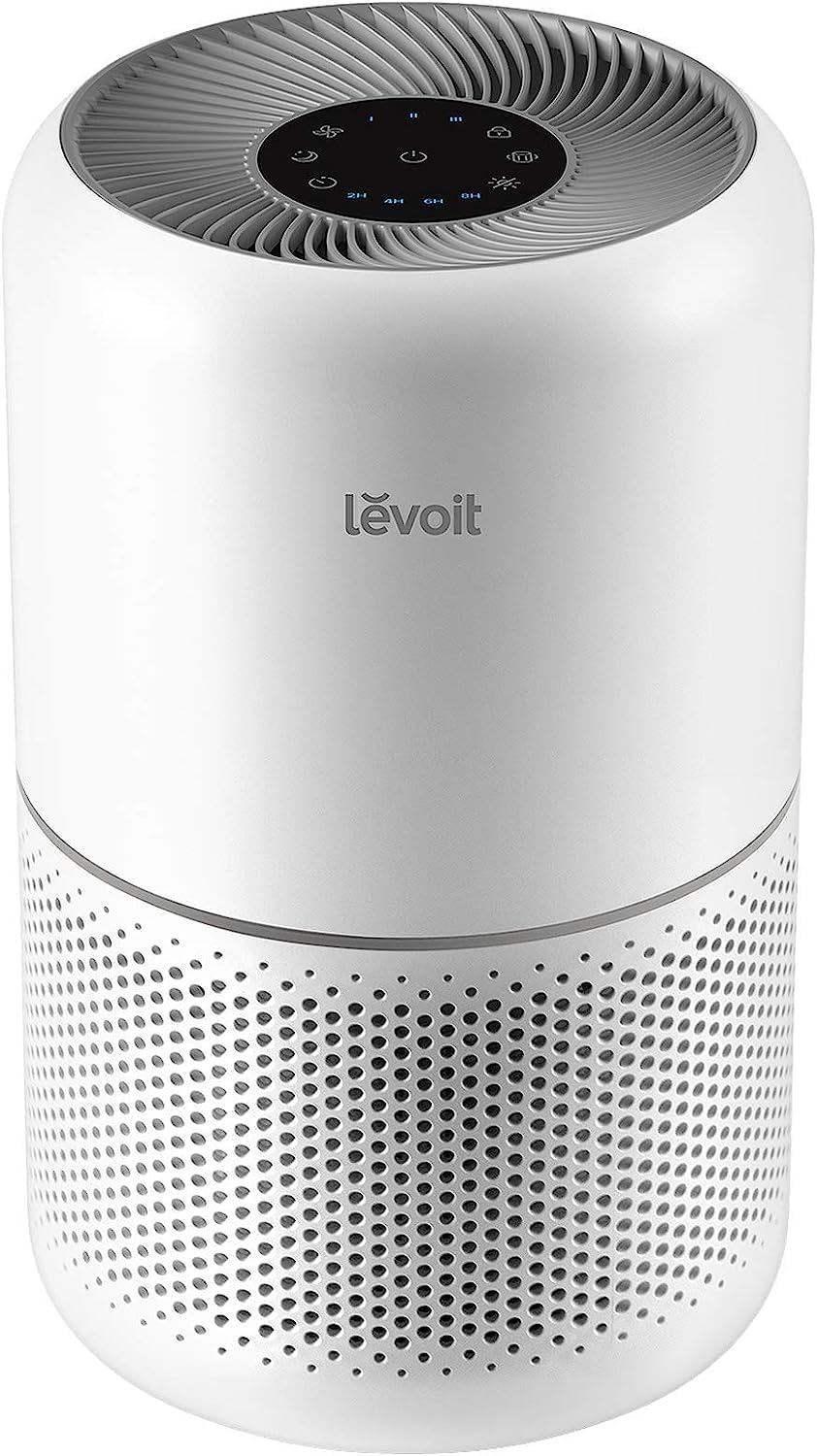 | 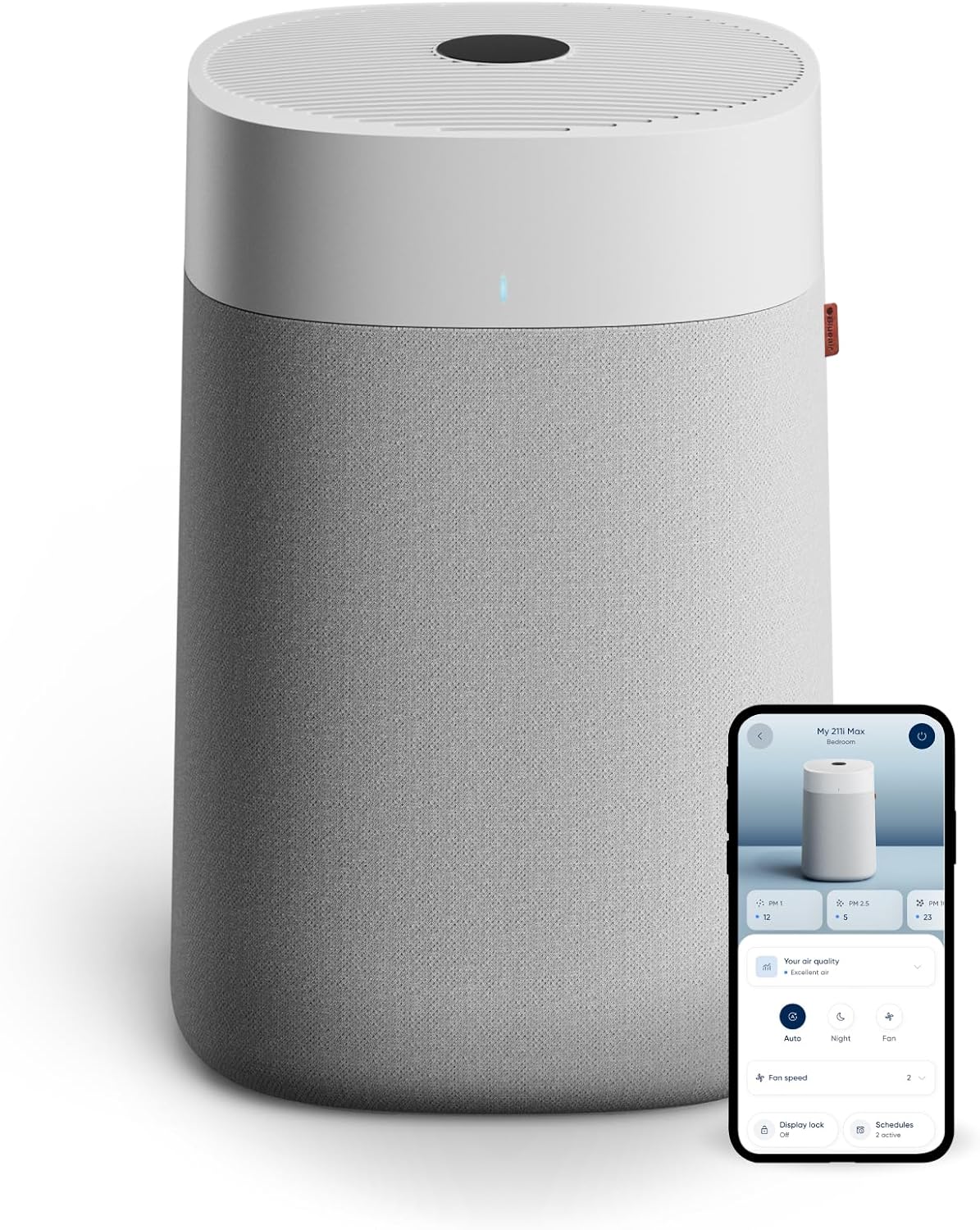 |  |  | |
Best for | Most homes (best “all-around”) | Bedroom / small rooms + smart control | Large rooms + open layouts | Pets + odor-leaning homes | Premium: purify + humidify + cooling |
Why it wins | Reliable performance + widely recommended | Strong usability + app/voice convenience | High CADR headroom for big spaces | Pet dander favorite + solid value testing | Multi-function comfort + advanced sensing |
“Real-life” strength | Easy to live with daily | Great “set it and forget it” | Big-room confidence | Smells + fur + everyday dust | One device replaces multiple appliances |
Watch-outs | Not the quietest on max | Not for huge open floor plans | Big footprint | Has ionizer feature (often optional) | Expensive + bigger maintenance routine |
Smart/app | Varies by version; strong basics | Yes (VeSync) | Yes (smart built-in) | Typically basic controls | Yes (MyDyson) |
Credible “why trust it” signal | Common top-pick in major roundups | Named best overall in testing roundup | Reported high CADR + large-room suitability | Stands out for pet dander in testing | Lab-tested favorite among purifier+humidifier combos |
Price |  | | | | |
What Top CADR Articles Usually Miss (and What We’re Doing Better)
Most CADR explainers do one of these:
- Define CADR, then stop… without telling you how to use it to pick the right size.
- Ignore that CADR is typically measured on the highest speed, while most people run “sleep mode,” which changes real performance.
- Don’t explain why you see three CADR numbers (smoke/pollen/dust), and which one matters most for most homes.
So this guide gives you the simplest rules, plus real examples you can apply in 60 seconds.
What CADR means (in plain English)
CADR = Clean Air Delivery Rate. It’s the volume of filtered air a purifier delivers, usually shown in CFM (cubic feet per minute). Higher CADR = faster cleaning.
AHAM (the group behind CADR testing) reports separate CADR scores for:
- Smoke
- Pollen
- Dust
Quick Picks for Best Air Purifier
- Best overall for most homes: Coway Airmega AP-1512HH Mighty
- Best smart-value for bedrooms/small living areas: Levoit Core 300S
- Best for large rooms + open layouts: Blueair Blue Pure 211i Max
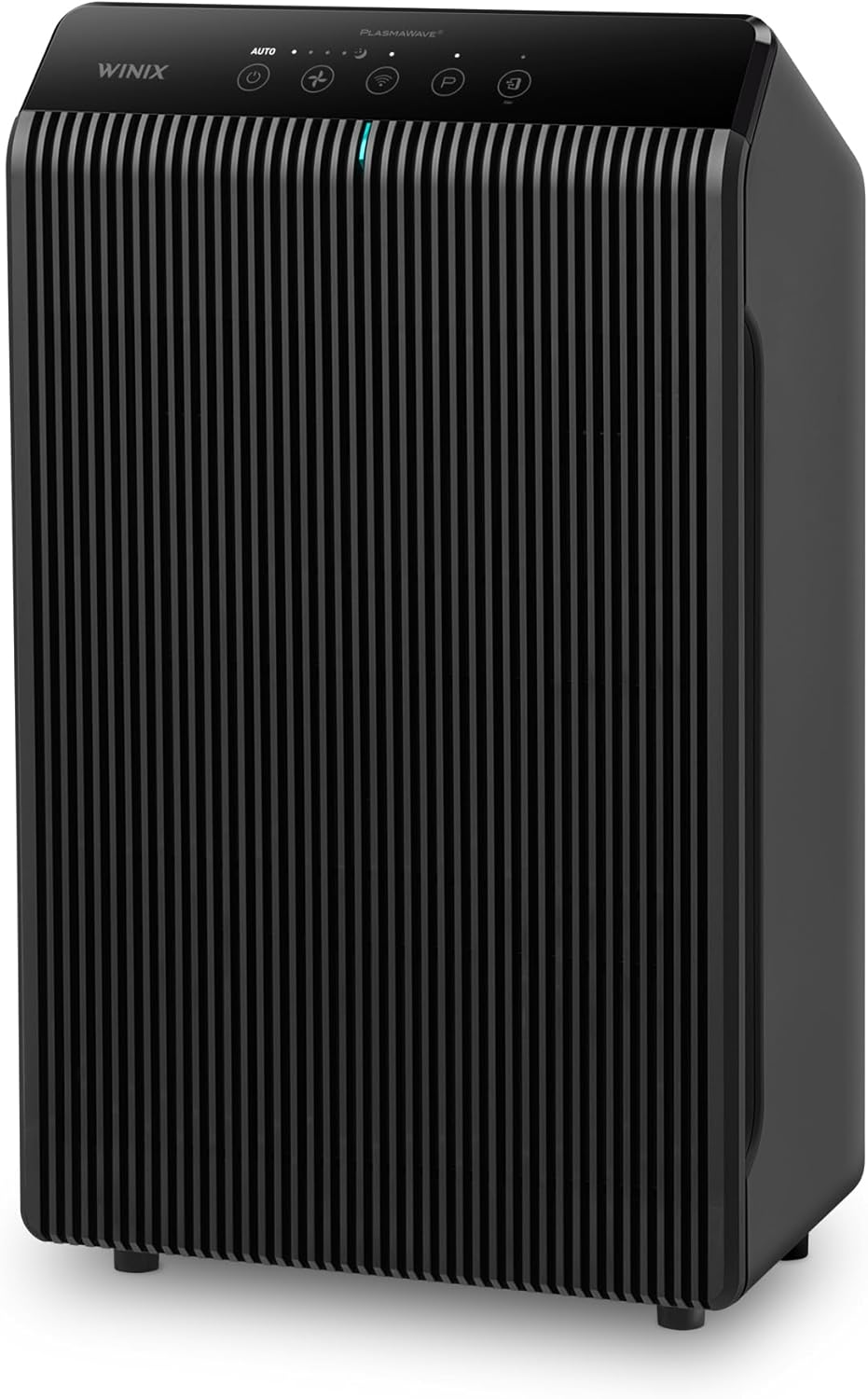
- Best for pets (dander + lingering smells) on a sane budget: Winix 5500-2
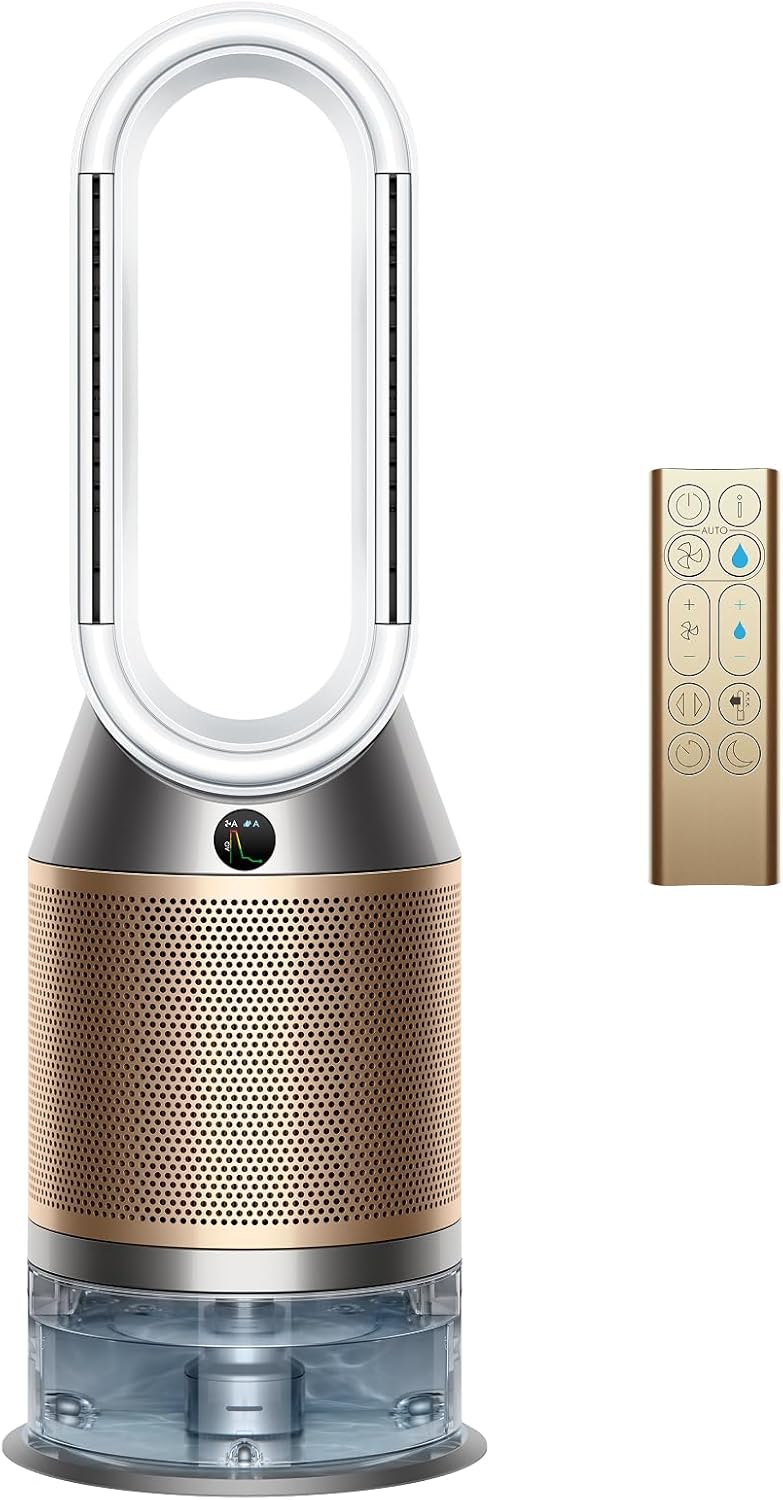
- Best premium “air-care system” (purify + humidify + cool): Dyson Purifier Humidify+Cool PH2 De-NOx
The simple mental model
CADR is basically: “How fast can this machine give me clean air?”
EPA’s guidance is straightforward: pick a portable air cleaner with a CADR large enough for your room, and higher CADR generally means it can filter more particles and serve a larger area.
CADR is not: “How clean is the filter?”
That’s filtration efficiency (HEPA vs HEPA-type). CADR is the delivery rate.
Why there are 3 CADR numbers (and which one you should care about)
You’ll often see three CADR ratings because smoke, dust, and pollen behave differently and represent different particle sizes. AHAM’s seal typically lists all three.
If you only compare one number, compare Smoke CADR.
Smoke particles are smaller and a good “stress test” for performance in many real-life situations (cooking particles, outdoor pollution, wildfire smoke). EPA also uses CADR broadly for particle guidance.
The one-liner rule to choose the right CADR
The “2/3 rule” (fast, practical, good enough)
AHAM’s common rule of thumb is:
Smoke CADR should be at least 2/3 of your room’s square footage (assuming ~8 ft ceilings).
Example:
- 150 sq ft bedroom → Smoke CADR ≥ 100
This is the easiest “won’t regret it” baseline for normal homes.
Our Recommended Picks
Feature | |||||
|---|---|---|---|---|---|
| | | | | |
Best for | Most homes (best “all-around”) | Bedroom / small rooms + smart control | Large rooms + open layouts | Pets + odor-leaning homes | Premium: purify + humidify + cooling |
Why it wins | Reliable performance + widely recommended | Strong usability + app/voice convenience | High CADR headroom for big spaces | Pet dander favorite + solid value testing | Multi-function comfort + advanced sensing |
“Real-life” strength | Easy to live with daily | Great “set it and forget it” | Big-room confidence | Smells + fur + everyday dust | One device replaces multiple appliances |
Watch-outs | Not the quietest on max | Not for huge open floor plans | Big footprint | Has ionizer feature (often optional) | Expensive + bigger maintenance routine |
Smart/app | Varies by version; strong basics | Yes (VeSync) | Yes (smart built-in) | Typically basic controls | Yes (MyDyson) |
Credible “why trust it” signal | Common top-pick in major roundups | Named best overall in testing roundup | Reported high CADR + large-room suitability | Stands out for pet dander in testing | Lab-tested favorite among purifier+humidifier combos |
Price | | | | | |
The rule that makes your purifier feel faster (and quieter)
Consumer Reports notes CADR is tied to the purifier’s output on its highest speed, which is also usually the loudest.
So if you want real comfort (especially bedrooms), a smarter move is:
Buy extra CADR headroom so you can run it on a lower, quieter speed.
That’s why people who “love” their purifier often bought a slightly bigger one than the minimum.
Quick CADR Table
Room size (sq ft) | Minimum Smoke CADR (2/3 rule) | “Feels fast” Smoke CADR (closer to 1× area) |
|---|---|---|
100 | 67 | 100 |
150 | 100 | 150 |
200 | 133 | 200 |
300 | 200 | 300 |
400 | 267 | 400 |
500 | 333 | 500 |
The minimum column reflects the widely used AHAM “2/3 rule.”
The “feels fast” column is a practical comfort target for people who don’t want to run max speed all day (common in real use).
How CADR is measured (and why you should trust it more than marketing)
ENERGY STAR requires CADR to be measured using the ANSI/AHAM AC-1 standard, which is the same family of methods used for industry consistency.
Translation: CADR is one of the few purifier specs that has a real, standardized backbone.
CADR vs “coverage area”: which should you use?
EPA notes that packaging often shows a “largest room size,” but CADR is the better truth source because it’s tied to how much clean air the unit can actually produce.
If a listing hides CADR and only pushes “up to 1,000 sq ft,” treat it like a yellow flag.
Not always a dealbreaker, but it’s common in hypey listings.
CADR in real homes: the 3 things that change results
1) Open floor plans
Air doesn’t stay politely inside one rectangle. If your living room opens into a kitchen and hallway, size up.
2) Ceiling height
CADR rules of thumb assume ~8 ft ceilings. Tall ceilings = more air volume = you’ll want more CADR.
3) Where you place it
A strong CADR won’t help if the intake is blocked. Give it clearance and avoid corners (manufacturer guidance commonly says this).
FAQs: CADR Explained Simply
What is a good CADR for a bedroom?
Use the “2/3 rule” as a minimum: Smoke CADR ≈ 2/3 of the bedroom’s square footage. Then size up if you want quieter operation.
Is higher CADR always better?
For performance, yes—higher CADR generally means faster particle removal and a larger effective room size. EPA explicitly links higher CADR to filtering more particles and serving larger areas.
Why does my purifier say it covers a huge room but feels weak?
Because “coverage” can be based on running at the highest speed (loud) or on low air-change targets. Consumer Reports emphasizes CADR as the clean-air output on high speed, and real-life use is often lower speeds.
What’s the difference between CADR and HEPA?
HEPA = how well the filter captures particles.
CADR = how much clean air the purifier delivers per minute. AHAM and EPA both frame CADR as a delivery-rate metric.
Should I compare smoke, dust, or pollen CADR?
AHAM reports all three, but if you want one quick comparison number, smoke CADR is the most broadly useful for many real-world particle situations.
Bottom line
CADR is the spec that predicts whether you’ll say:
- “Wow, the air feels cleaner,” or
- “I guess it’s doing something… maybe?”
Use Smoke CADR, follow the 2/3 rule as your minimum, and buy extra headroom if you want quiet performance.
Other Interesting Articles
- Best Air Purifier for Home (2026): Top 5 Picks That Actually Make a Difference
- PuroAir 240 vs Shark Air Purifier: Which One Should You Buy?
- PuroAir 240 vs Sans Air Purifier: Which One Should You Buy?
- PuroAir 240 vs Levoit 300: Which Air Purifier Is the Better Buy?
- PuroAir 240 vs PuroAir 400: Which One Actually Fits Your Home?
Author
HappyHomeNerd: We review home comfort gear the way real people use it: in lived-in rooms, with real sleep schedules, real pets, and real tolerance for noise.