I'm a participant in the Amazon Services LLC Associates Program, an affiliate advertising program designed to provide a means for me to earn fees by linking to Amazon.com and affiliated sites.
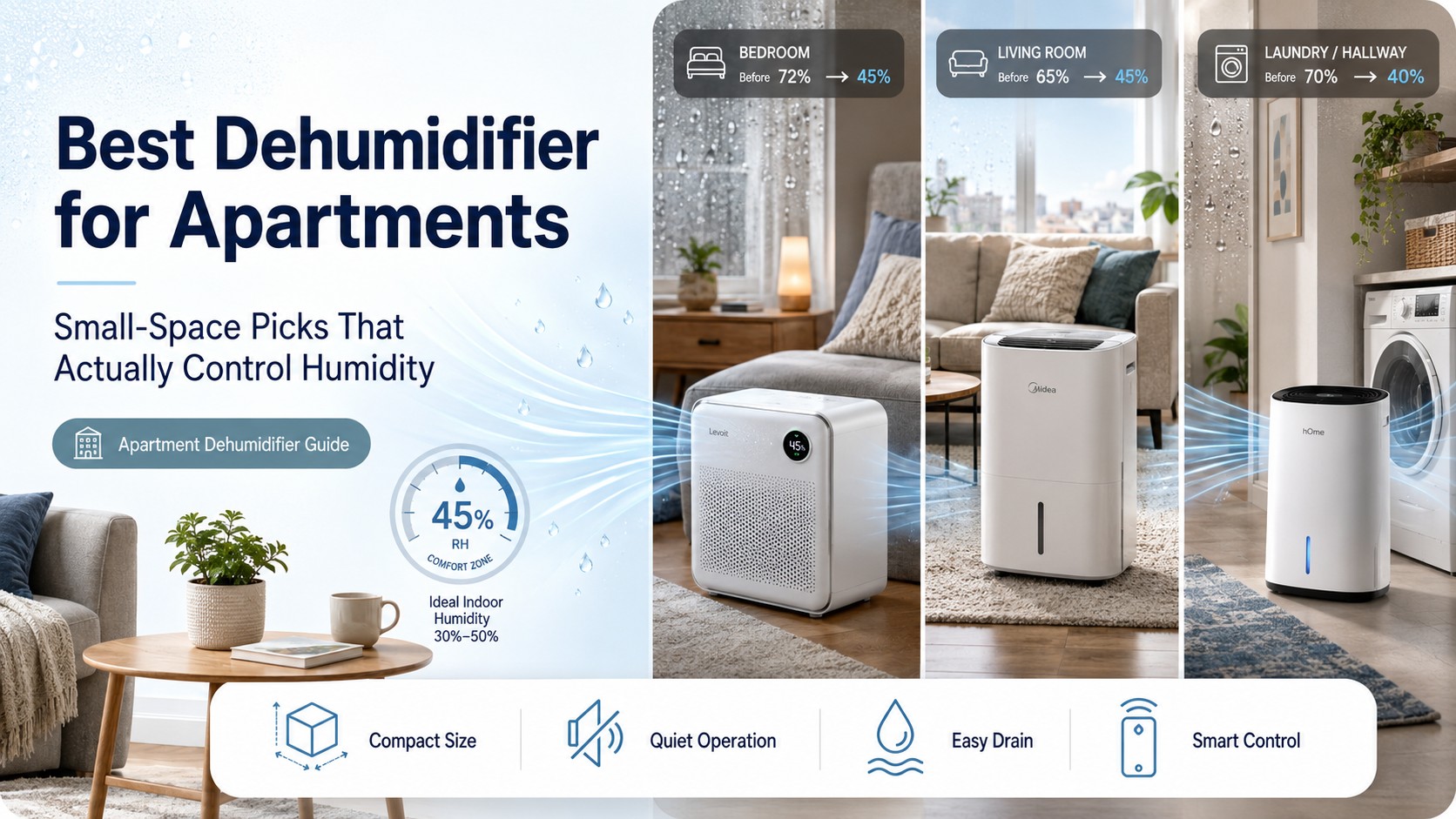
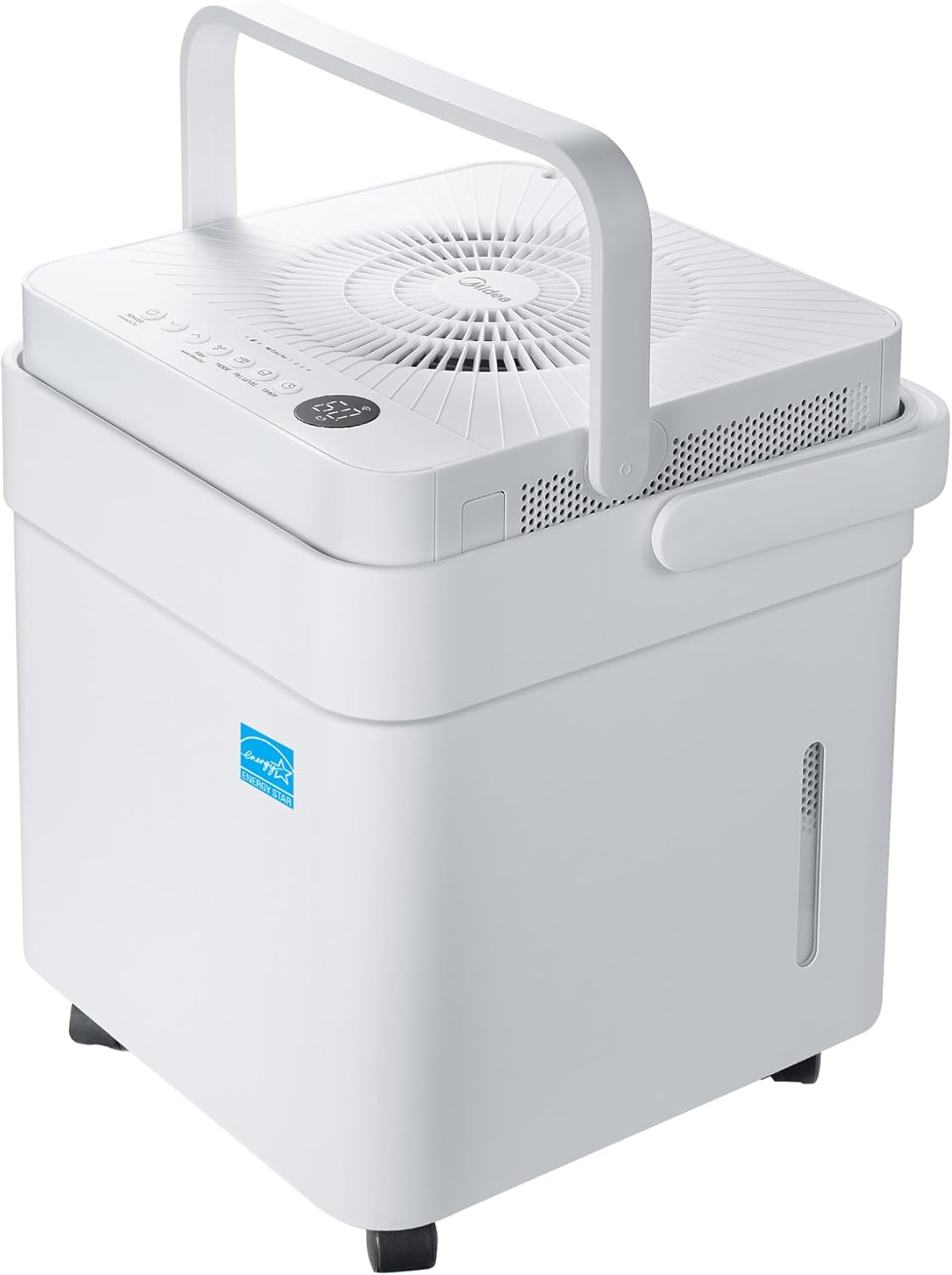
The best dehumidifier for apartments is the Midea Cube 35-Pint Smart Dehumidifier for most people because it has a compact nested design, smart controls, continuous drainage, and enough capacity for bedrooms, living rooms, bathrooms, and small apartment layouts without feeling as oversized as a basement dehumidifier.
If your apartment is very damp, on a ground floor, near a basement, or you want a built-in pump, move up to the Midea Cube 50-Pint with Pump or the GoveeLife Smart 50-Pint Dehumidifier with Pump. If you just want a simple value pick for a bedroom or small living area, the BLACK+DECKER 30-Pint Energy Star Portable Dehumidifier is the easier, less complicated option.
The real goal is not to make your apartment bone dry. The EPA recommends keeping indoor humidity below 60%, ideally between 30% and 50%, to discourage mold, pests, and dust mites. (epa.gov)
Best Dehumidifiers for Apartments: Quick Picks
Pick | Best For | Why It Stands Out |
|---|---|---|
Best overall for most apartments | Compact nested design, smart controls, continuous drain option | |
Best for very damp apartments | Large capacity, pump drainage, smart controls, big tank | |
Best smart high-capacity pick | Strong app features, pump drainage, large-space capacity | |
Best traditional apartment pick | Slimmer standard design, Energy Star certified, familiar controls | |
Best value pick | Simple controls, 8-pint bucket, auto defrost, auto restart | |
Best budget smart large-space pick | Smart controls, pump, Energy Star, strong price-to-spec appeal | |
Best for closets, cabinets, and tiny damp zones | Small, low-maintenance moisture control for enclosed spaces |
Why Apartments Need a Different Kind of Dehumidifier
A basement dehumidifier and an apartment dehumidifier are not always the same purchase.
In an apartment, the best dehumidifier has to work in a tighter space. It may sit near your bed, sofa, kitchen, bathroom door, or laundry rack. That means it cannot just be powerful. It also has to be livable.
For apartments, the most important features are:
- Right-size pint capacity
- Quiet operation
- Easy bucket emptying
- Continuous drain option
- Compact footprint
- Washable filter
- Auto shutoff
- Auto restart
- Accurate humidistat
- Low heat output
- Smart controls if you travel or work away from home
The common mistake is buying either too small or too large.
Tiny “mini” dehumidifiers are useful in closets, but they usually cannot control humidity in a real apartment room. Oversized basement-style units can work, but they may be louder, warmer, heavier, and more annoying to empty than you expect.
The sweet spot for many apartments is usually a 30- to 35-pint dehumidifier, with a 50-pint model reserved for very damp spaces, ground-floor units, large open layouts, or apartments with indoor laundry.
Apartment Dehumidifier Comparison Table
Dehumidifier | Best For | Capacity | Drainage | Main Strength | Main Drawback | Price | |
|---|---|---|---|---|---|---|---|
 | Most apartments | 35 pints/day listed capacity | Bucket or hose | Compact, flexible, apartment-friendly | No built-in pump |  | |
| Very damp apartments | 50 pints/day | Bucket, hose, or pump | Strong capacity and pump drainage | Bigger and heavier | | |
 | Smart high-capacity control | 50-pint class | Hose and pump | App control and strong moisture removal | Overkill for small dry rooms | | |
 | Traditional apartment setup | 35 pints/day | Bucket or hose | Familiar upright design | Smaller bucket than Cube-style units | | |
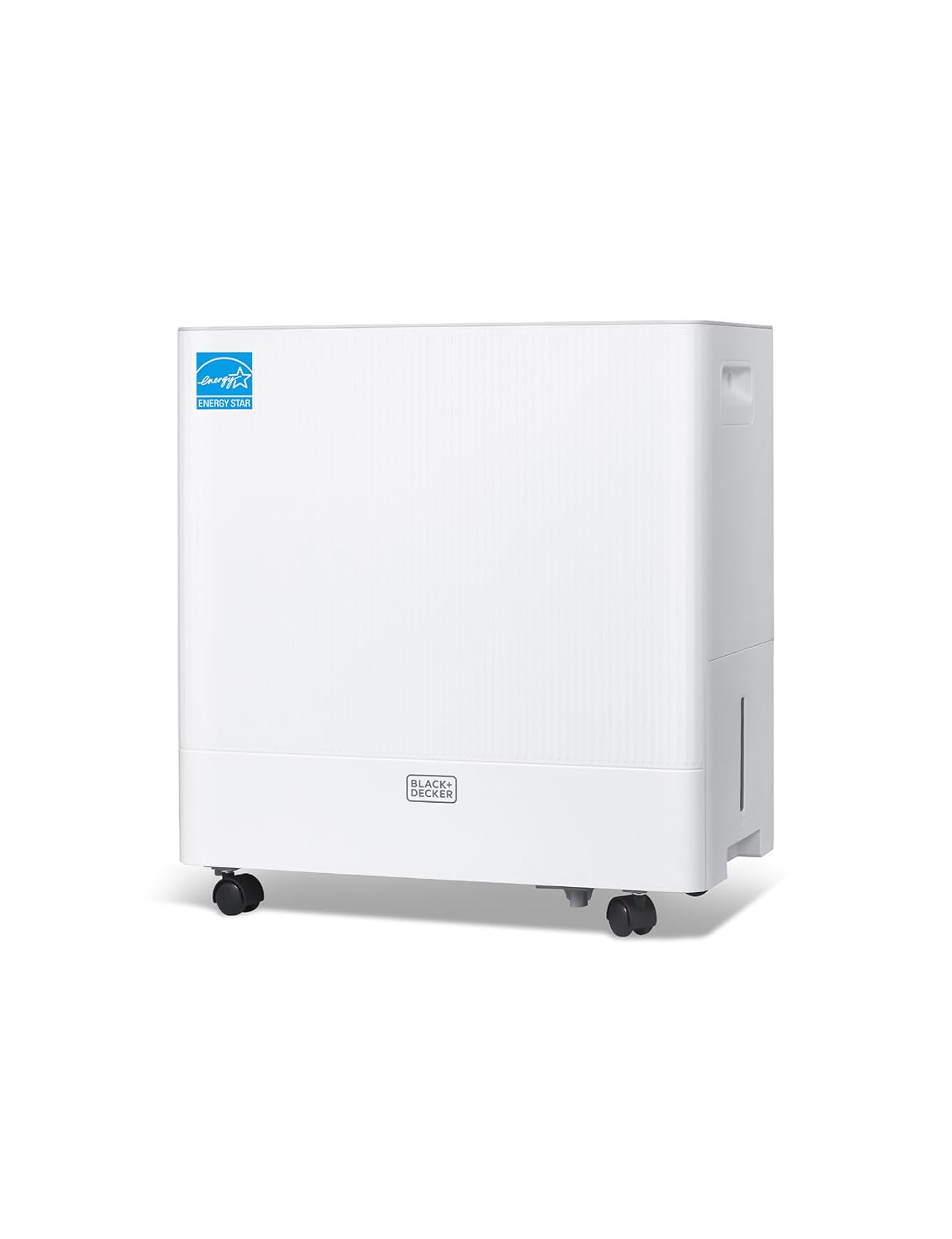 | Value and simplicity | 30 pints/day | Bucket or hose | Simple, practical, approachable | Not ideal for very damp apartments | | |
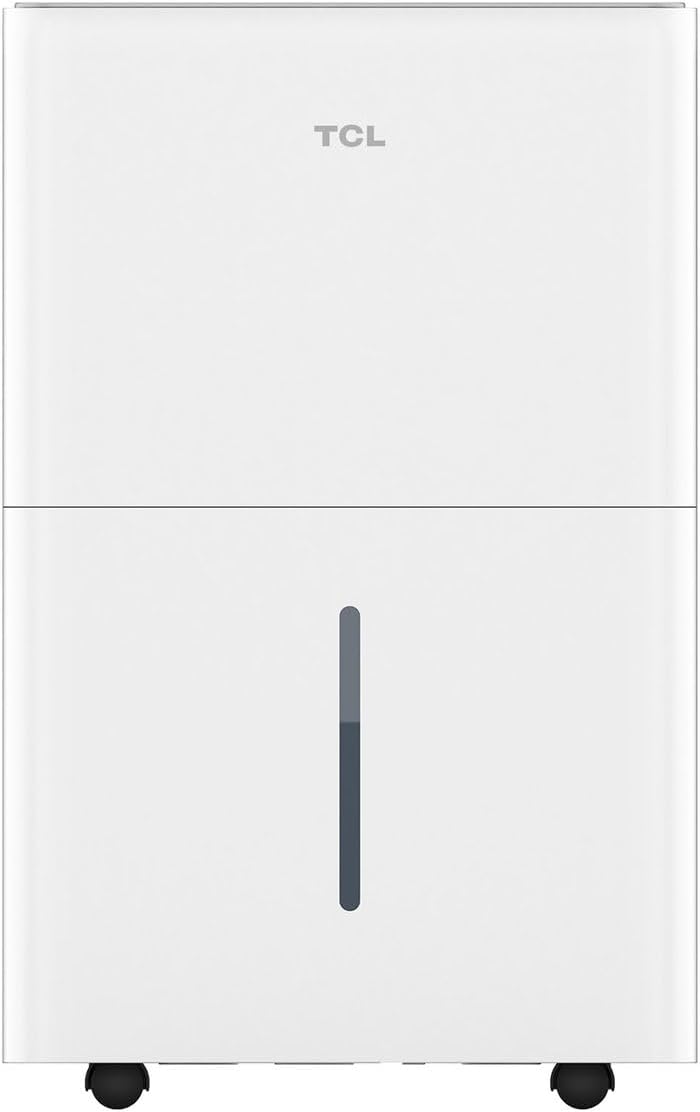 | Budget smart large-space use | 50 pints/day | Bucket, hose, or pump | Strong specs for the price | Large for smaller apartments | | |
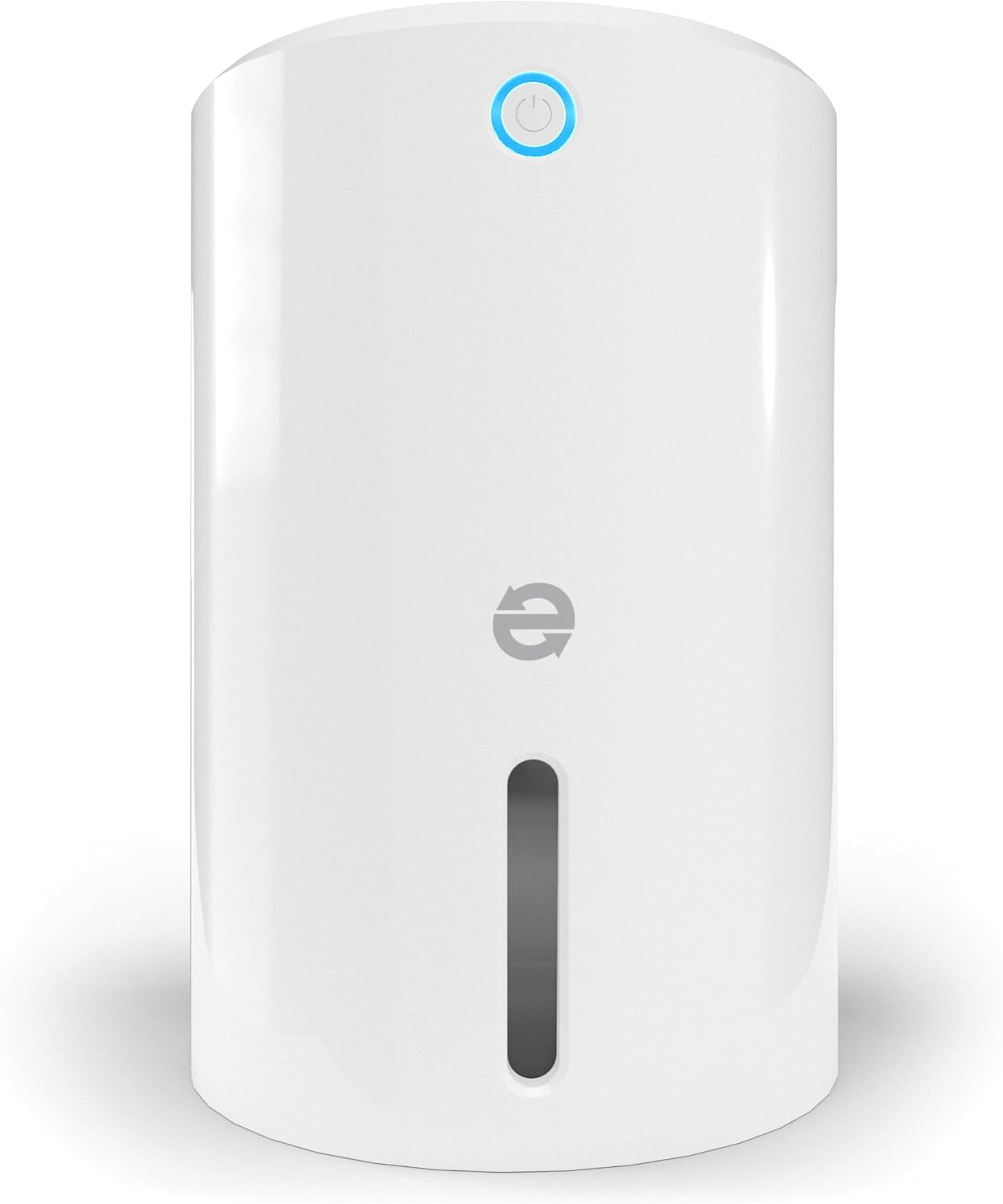 | Closets and cabinets | Mini moisture control | Small removable tank or rechargeable design | Tiny-space convenience | Not for full rooms | |
1. Best Overall: Midea Cube 35-Pint Smart Dehumidifier
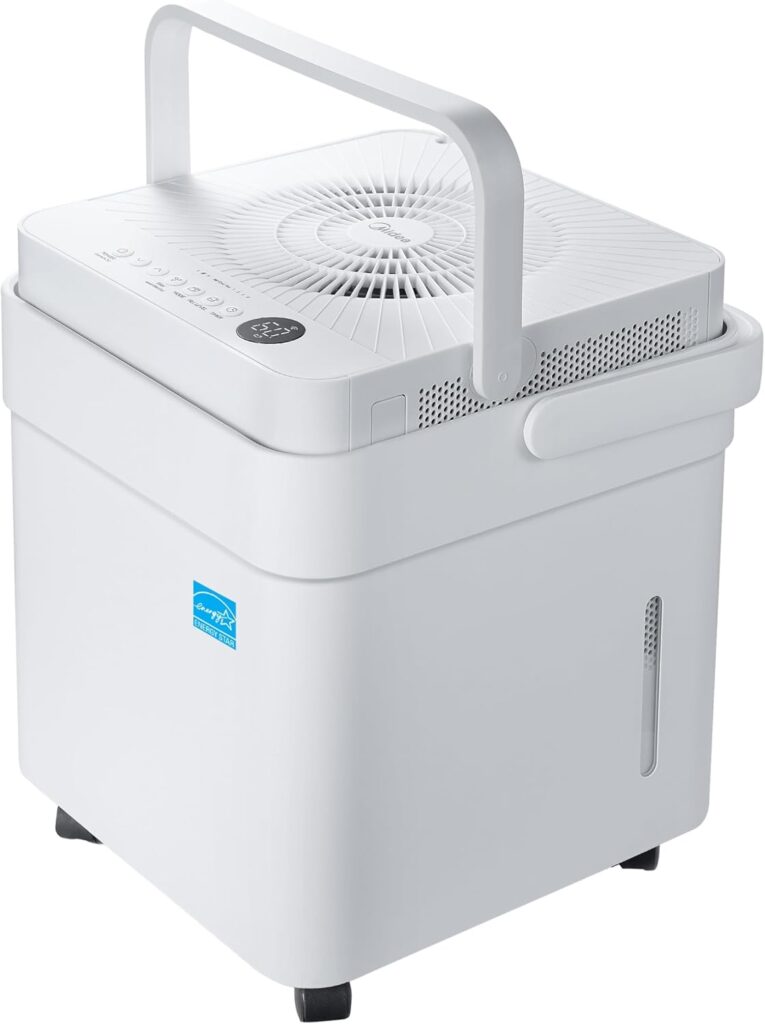
The Midea Cube 35-Pint Smart Dehumidifier is the best dehumidifier for most apartments because it solves the biggest apartment problem: where do you put the thing?
Midea’s Cube design can operate in extended form or nested form, which gives it more flexibility than a standard tall dehumidifier. The official Midea page lists the Cube model MAD35S1QWT with smart control, wheels, a continuous drainage option with included hose, coverage up to 3,500 square feet, and 35-pint-per-day capacity. (midea.com)
For apartments, that flexibility matters more than a giant coverage claim. You may need to move the dehumidifier from bedroom to bathroom to living room. You may need to tuck it beside a dresser, laundry rack, or kitchen island. The Cube design gives you more placement options than many traditional units.
Why it works well in apartments
The Midea Cube is strong enough for everyday apartment humidity but not as intimidating as a basement-first dehumidifier. It is a smart pick if your apartment feels sticky, smells slightly musty, has window condensation, or stays humid after showers.
It is especially useful for:
- One-bedroom apartments
- Studio apartments
- Apartments with damp bathrooms
- Small living rooms
- Bedrooms with humidity issues
- Renters who need flexibility
- People who want app control
- People who hate emptying tiny tanks
Who should skip it
Skip this model if you need to pump water upward into a sink or out a window. The 35-pint Cube has continuous drainage, but it does not have a built-in pump. If you need pump drainage, choose the 50-pint Midea Cube with Pump instead.
2. Best for Very Damp Apartments: Midea Cube 50-Pint with Pump
The Midea Cube 50-Pint with Pump is the better choice if your apartment has serious humidity problems.
This is the model I would choose for a ground-floor apartment, basement apartment, large open apartment, or apartment where humidity regularly rises above 60%. Midea lists the 50-pint Cube with Pump for spaces up to 4,500 square feet, with smart control, wheels, 50-pint-per-day capacity, a large tank design, and a built-in pump for continuous drainage into a sink or out a window. (midea.com)
That built-in pump is the important upgrade. In many apartments, you will not have a floor drain. A gravity drain hose only works if the hose can slope downward. A pump gives you more freedom because it can move water upward into a sink or out a window.
Why it works well in apartments
This is the “I am tired of emptying the bucket” pick.
It is best for apartments where humidity is not just mildly uncomfortable but actively annoying. Think damp bedding, musty closets, condensation, swollen doors, peeling paint, or that sticky feeling that never goes away even when the AC is running.
Home Depot’s Midea Cube listing highlights up to three times more water capacity than traditional dehumidifiers and operation as low as 42 dBA. (homedepot.com)
Who should skip it
Skip it if your apartment is small, only mildly humid, or you do not have a convenient place for pump drainage. A 50-pint model can be more machine than a normal bedroom or small studio needs.
3. Best Smart High-Capacity Pick: GoveeLife Smart 50-Pint Dehumidifier with Pump
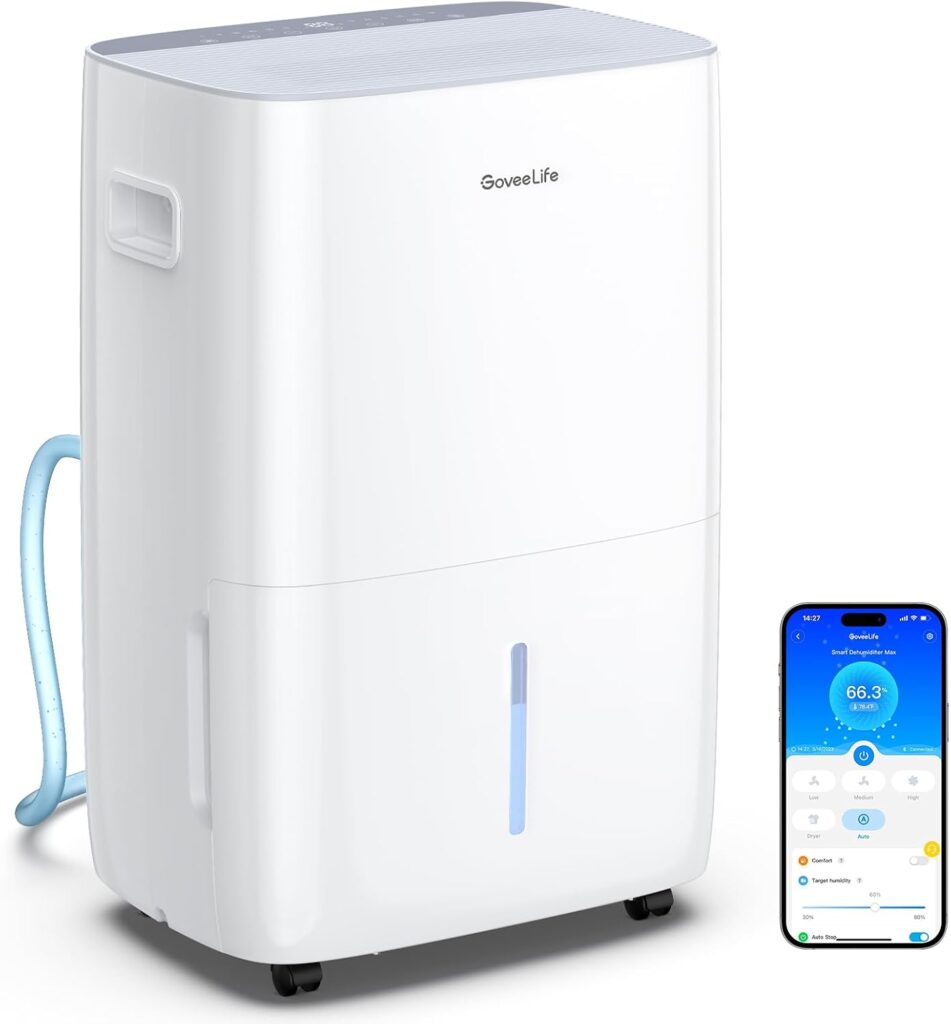
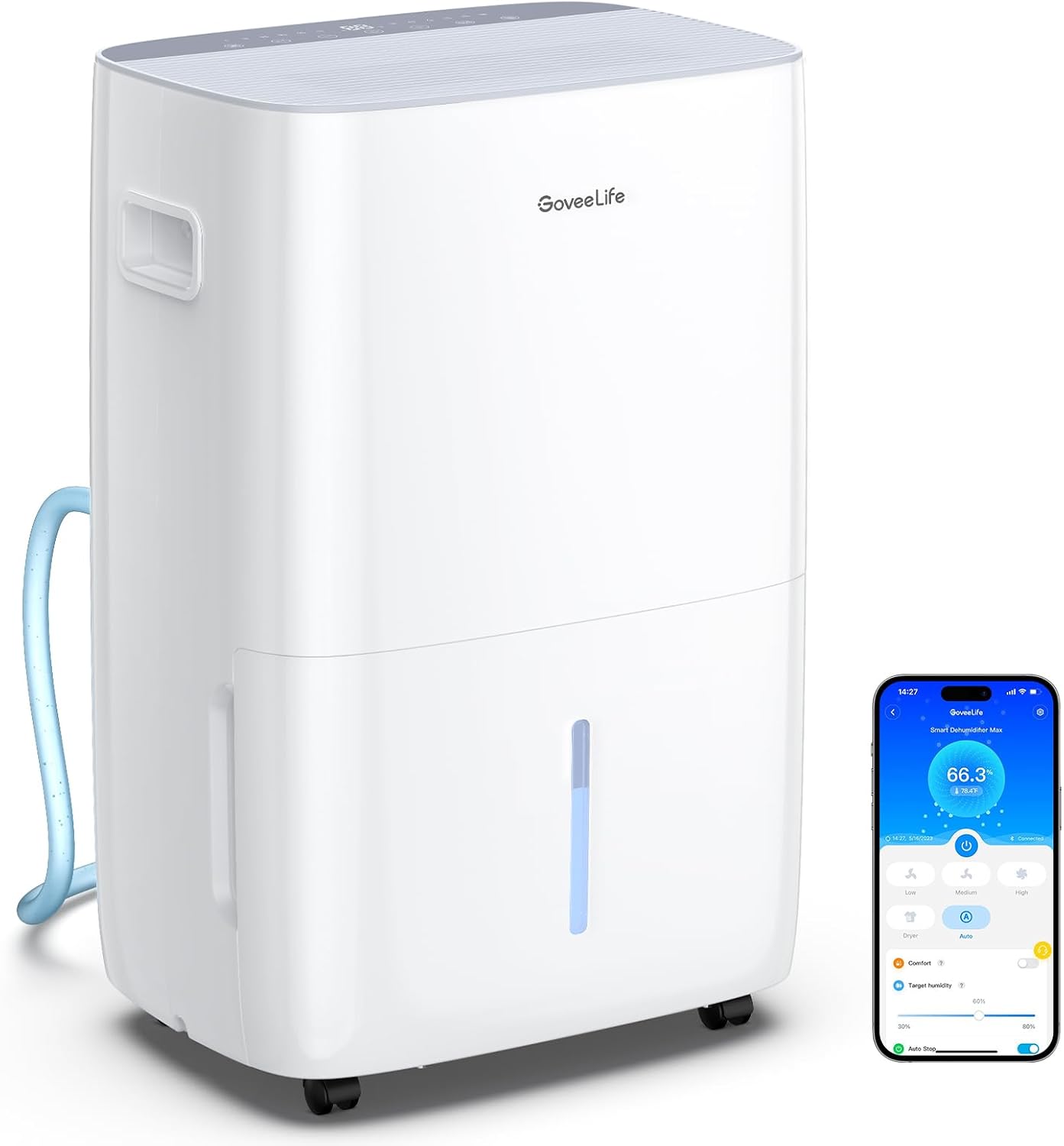
The GoveeLife Smart 50-Pint Dehumidifier with Pump is a strong pick if you want a connected, high-capacity dehumidifier for a damp apartment and you care about app control.
Tom’s Guide named the GoveeLife 50 Pint Dehumidifier its top dehumidifier in a 2026 tested roundup, praising its rapid humidity reduction and smart features, while noting that it can be noisy and produce heat. (tomsguide.com) That warning matters for apartments because heat and noise are more noticeable in small rooms.
Amazon’s GoveeLife listing describes the model as a 4,500-square-foot smart dehumidifier with pump, drain hose, humidity control, auto shutoff, auto defrost, and multiple modes. (amazon.com)
Why it works well in apartments
The GoveeLife is best for people who want automation.
You can use smart controls to check humidity, set routines, and manage moisture while you are not standing next to the machine. That is useful if your apartment gets damp while you are at work or if you want humidity controlled before you come home.
It is especially useful for:
- Large apartments
- Ground-floor apartments
- Very humid climates
- Indoor laundry drying
- Smart-home users
- People who want pump drainage
- People who want humidity monitoring through an app
Who should skip it
Skip it if your apartment is small and quietness is your top priority. A high-capacity smart unit may be too much for a tiny bedroom, especially if it adds noticeable heat.
4. Best Traditional Apartment Pick: Frigidaire 35-Pint Dehumidifier with Wi-Fi
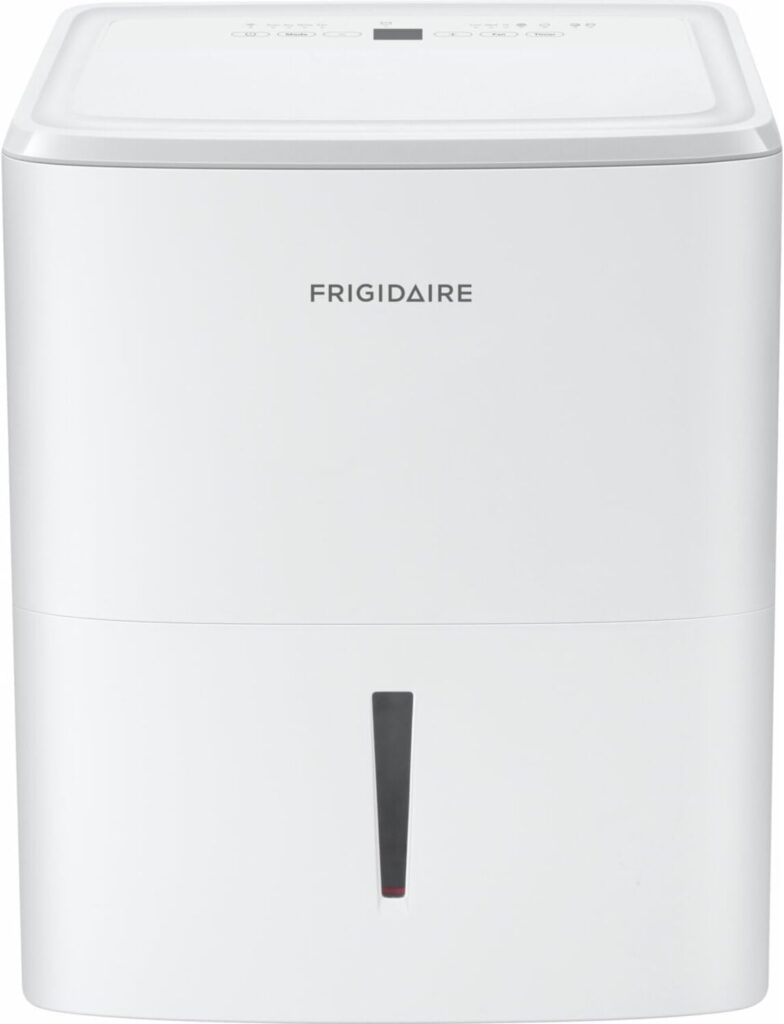
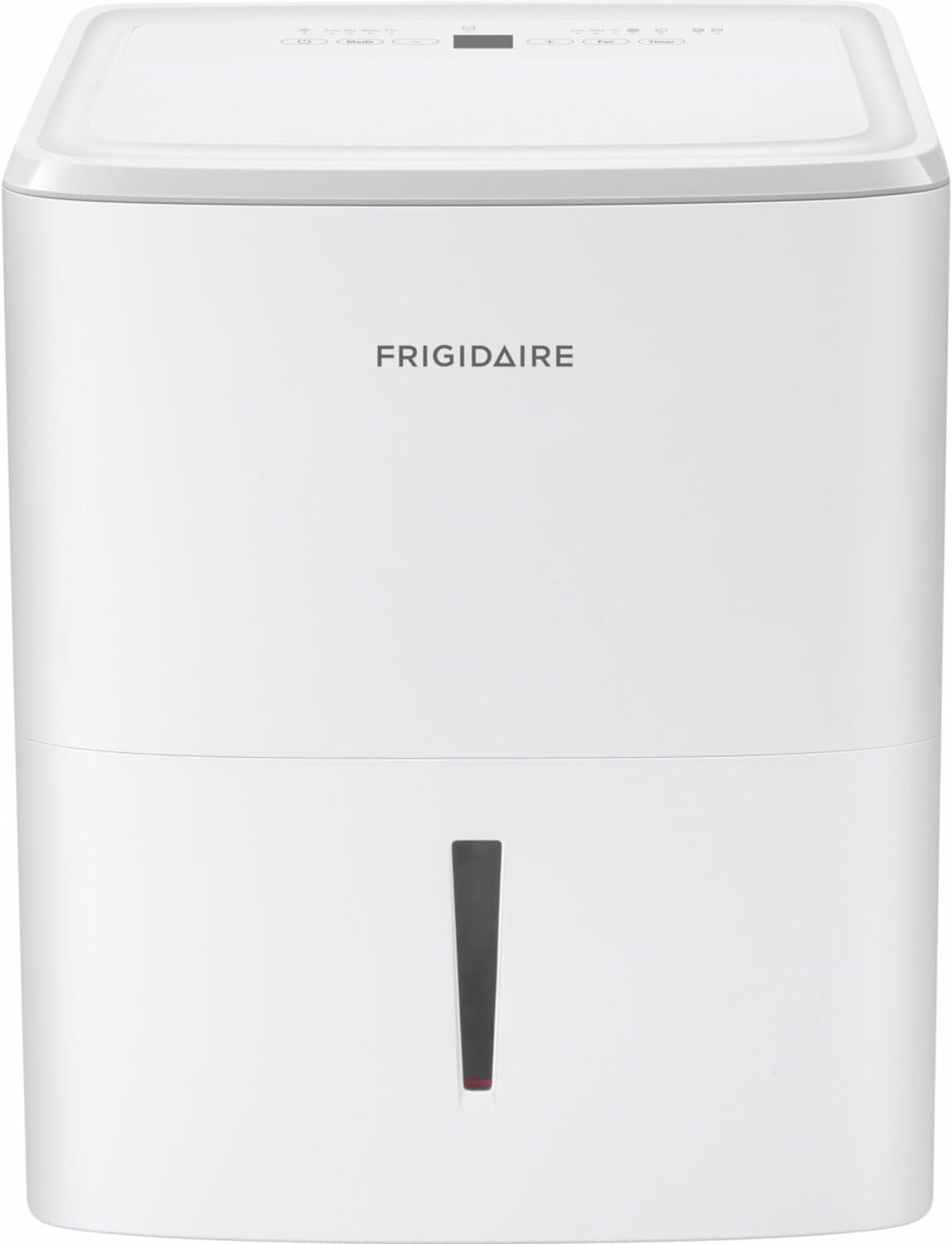
The Frigidaire 35-Pint Dehumidifier with Wi-Fi is the best choice if you want a more traditional upright dehumidifier from a familiar appliance brand.
Frigidaire lists the FHDD3534Y1 as a 35-pint dehumidifier with Wi-Fi, Energy Star certification, a 34-pound product weight, R-32 refrigerant, and dimensions of about 19.8 inches high, 14.7 inches wide, and 11.1 inches deep. (frigidaire.com)
That size makes it easier to place in an apartment than many 50-pint units. It is also less unusual than the Midea Cube design, which some people love and others find bulky-looking.
Why it works well in apartments
This is the safest “normal dehumidifier” pick.
It is good for renters who do not want a giant machine, do not need a pump, and prefer a familiar upright design. The Wi-Fi feature gives it a modern edge without making the whole product feel app-dependent.
It is especially useful for:
- Bedrooms
- Living rooms
- Medium apartments
- Renters who want a traditional dehumidifier
- People who want Energy Star certification
- People who want Wi-Fi but not a giant unit
Who should skip it
Skip it if you want the largest possible bucket or pump drainage. The Frigidaire is more conventional, which means you may empty the bucket more often than with the Midea Cube.
5. Best Value Pick: BLACK+DECKER 30-Pint Energy Star Portable Dehumidifier
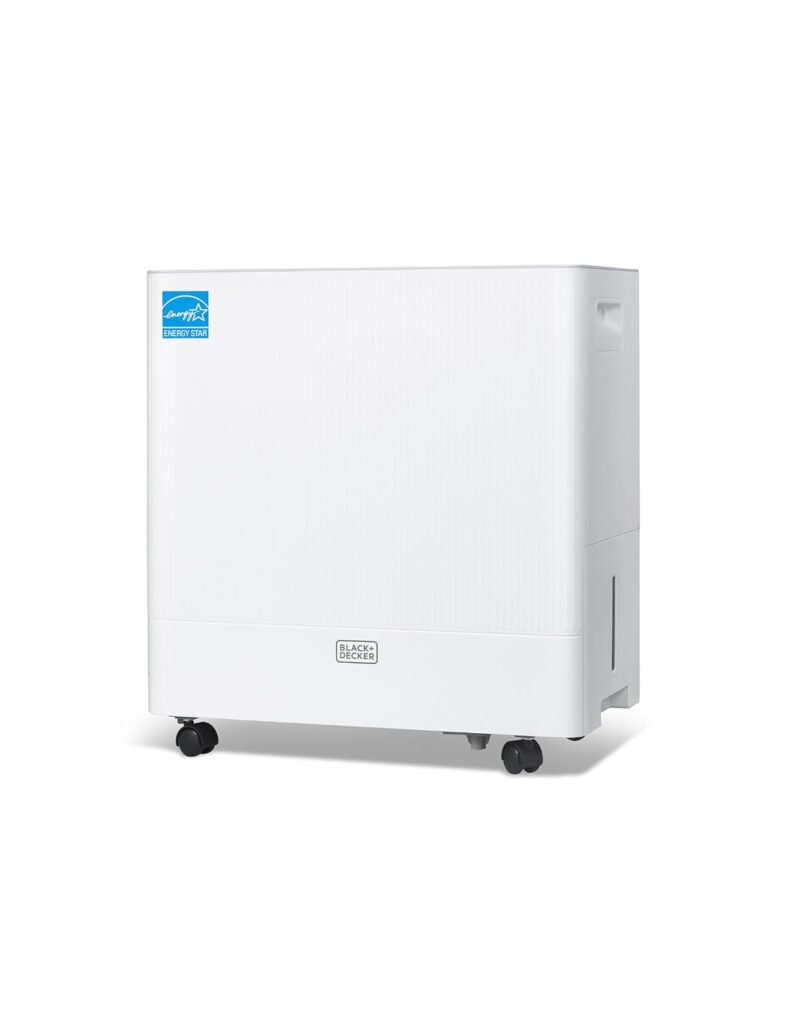
The BLACK+DECKER 30-Pint Energy Star Portable Dehumidifier is the best value-style pick for apartments that need moisture control without premium smart features.
BLACK+DECKER lists the BDT30WTB as an Energy Star portable dehumidifier that removes up to 30 pints of water per 24 hours. It has an 8-pint collection bucket, full-bucket indicator lights, auto shutoff, auto defrost, auto restart, and a 24-hour timer. (blackanddecker.com)
That is exactly what many apartment renters need: not fancy, not huge, just useful.
Why it works well in apartments
A 30-pint dehumidifier is often the right size for an apartment bedroom, small living room, or damp bathroom-adjacent hallway. It gives you more real moisture control than tiny countertop models without jumping to a 50-pint basement unit.
It is especially useful for:
- Small apartments
- Bedrooms
- Guest rooms
- Bathrooms with poor ventilation
- Budget-conscious renters
- People who do not want an app
- People who want straightforward controls
Who should skip it
Skip it if your apartment is very damp, large, or you need pump drainage. A 30-pint unit is practical, but it is not the best choice for a basement apartment or a space where humidity climbs quickly every day.
6. Best Budget Smart Large-Space Pick: TCL 50-Pint Smart Dehumidifier with Pump
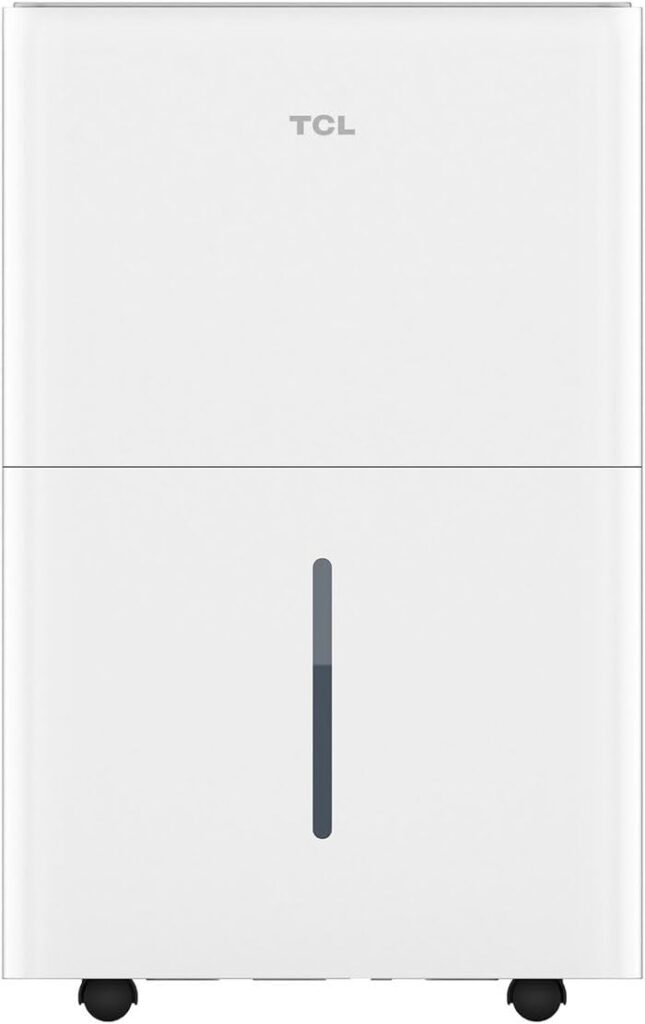
The TCL 50-Pint Smart Dehumidifier with Pump is the value play if you want big-unit features without paying top-of-category pricing.
Good Housekeeping named a TCL 50-Pint Smart Dehumidifier its best overall dehumidifier in a May 2026 roundup. (goodhousekeeping.com) Retail listings describe TCL’s H50D44W as a 50-pint smart dehumidifier for up to 4,500 square feet with app control, smart-home integration, Energy Star certification, and pump drainage. (homedepot.com)
Walmart’s listing also shows a 44 dB decibel rating for the TCL 50-pint smart model. (walmart.com)
Why it works well in apartments
The TCL makes sense if you want a high-capacity smart dehumidifier but do not want to spend as much as some premium alternatives.
It is especially useful for:
- Large apartments
- Ground-floor apartments
- Damp living rooms
- Apartments with laundry drying
- People who want pump drainage
- Smart-home users
- Value shoppers who still want modern features
Who should skip it
Skip it if you live in a small studio or only need to dry one bedroom. A 50-pint dehumidifier can be too much machine for a mildly humid apartment.
7. Best for Closets and Tiny Damp Areas: Eva-Dry Mini Dehumidifier
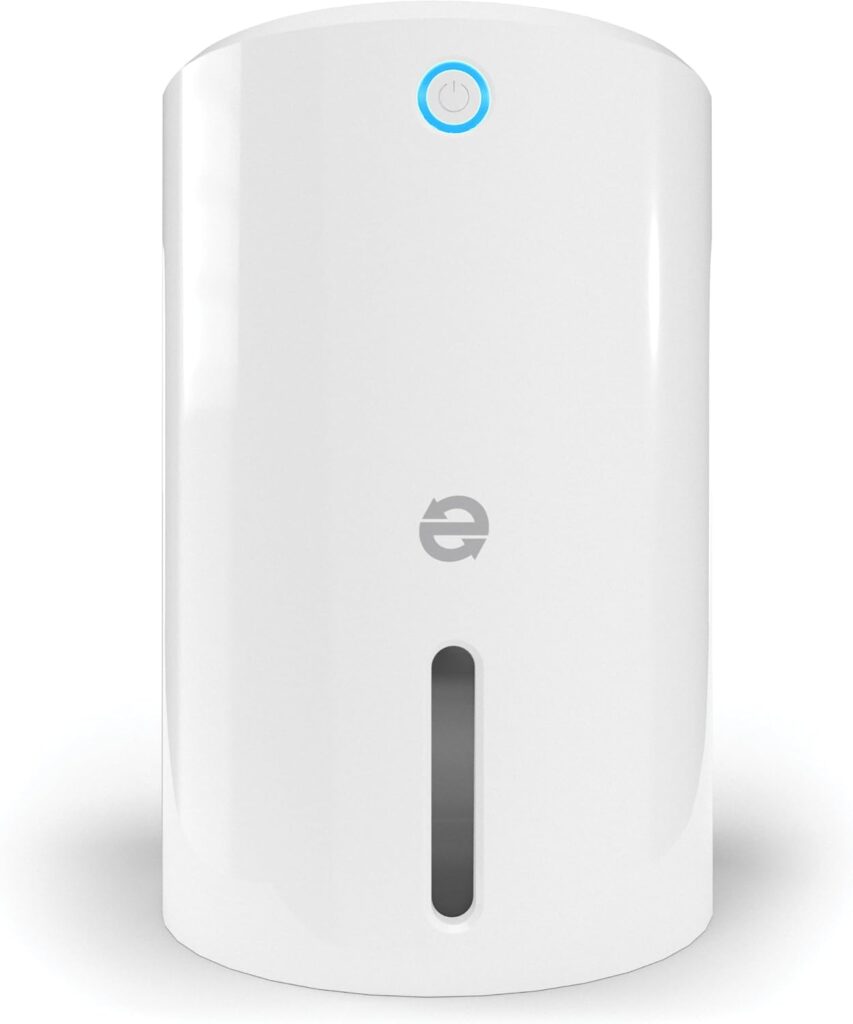
A mini dehumidifier is not the best dehumidifier for an apartment.
But it can be useful inside a closet, cabinet, pantry, RV-style nook, or tiny enclosed space where a full-size dehumidifier will not fit.
This is where something like an Eva-Dry mini dehumidifier makes sense. It is not meant to control the humidity of your entire apartment. It is meant to help in small spaces where moisture collects.
Why it works well in apartments
Use a mini dehumidifier for:
- Closets
- Under-sink cabinets
- Small bathrooms
- Pantries
- Storage cabinets
- Shoe closets
- Linen closets
Who should skip it
Skip it if your apartment feels humid overall. A mini dehumidifier will not fix a damp bedroom, living room, or studio apartment. For that, choose a real 30-, 35-, or 50-pint unit.
What Size Dehumidifier Do You Need for an Apartment?
For most apartments, this is the easiest way to think about sizing:
Apartment Situation | Recommended Dehumidifier Size |
|---|---|
Closet, cabinet, or tiny damp zone | Mini dehumidifier |
Small bedroom or bathroom area | 20- to 30-pint |
Standard bedroom or small living room | 30-pint |
Studio or one-bedroom apartment | 30- to 35-pint |
Large one-bedroom or two-bedroom apartment | 35- to 50-pint |
Ground-floor or basement apartment | 50-pint |
Indoor laundry drying or persistent dampness | 50-pint with pump |
Humidity regularly above 60% | 35- to 50-pint, depending on layout |
Home Depot’s dehumidifier sizing guidance groups dehumidifiers broadly into small 20- to 22-pint, medium 30-pint, and large 45- to 50-pint models. (homedepot.com)
For apartments, I would not size only by square footage. I would size by humidity severity plus layout.
A 500-square-foot dry upstairs apartment may only need a 30-pint unit. A 500-square-foot ground-floor apartment with condensation and musty closets may need a 50-pint unit.
How to Choose the Best Dehumidifier for an Apartment
1. Start with your humidity reading
Before buying, get a cheap hygrometer.
You do not need to guess whether your apartment is humid. Measure it.
Use this guide:
Humidity Reading | What It Usually Means |
|---|---|
Under 30% | Too dry for many people |
30% to 50% | Ideal target range |
50% to 60% | Watch zone, may feel sticky |
Over 60% | Mold and dust mite risk rises |
Over 70% | Serious dampness problem |
The EPA says indoor humidity should be kept below 60%, ideally between 30% and 50%. (epa.gov)
2. Decide how you want to drain it
This is the most overlooked apartment dehumidifier decision.
You have three options:
Drainage Type | Best For | Drawback |
|---|---|---|
Bucket | Most renters, simple setup | You must empty it |
Gravity hose | Bathrooms, utility sinks, floor drains | Hose must slope downward |
Built-in pump | Sinks, windows, higher drains | Costs more and adds complexity |
If you are placing the dehumidifier near a bathtub, shower, or low drain, gravity drainage may work. If you want to send water upward into a sink or out a window, choose a pump model.
3. Do not ignore bucket size
A small bucket can make a good dehumidifier annoying.
In a humid apartment, a small tank may fill quickly. That means more trips to the sink and more chances the unit shuts off while you are away.
For apartments, a bigger bucket is especially useful if:
- You work long shifts
- You travel
- Your apartment is humid every day
- You do not want to empty the tank twice a day
- You run the unit overnight
4. Think about noise before you put it in a bedroom
A dehumidifier is not silent. It has a fan and compressor, and it often runs for hours.
For bedrooms, look for:
- Sleep mode
- Lower fan setting
- Auto humidity control
- Dimmable display
- Smooth compressor sound
- Placement several feet from the bed
A little white noise may be fine. A loud compressor cycling on and off beside your bed is different.
5. Remember that dehumidifiers add heat
This is one thing many articles do not explain clearly.
A dehumidifier removes moisture, but it also gives off heat while running. In winter or shoulder seasons, that may be fine. In summer, a dehumidifier can make a small room feel warmer if your air conditioner is weak.
That does not mean you should avoid one. It means you should use it strategically.
Good apartment habits:
- Run it before bedtime, not always beside the bed
- Use it after showers
- Use it while drying laundry
- Use AC and dehumidifier together when needed
- Keep doors open if drying a larger zone
- Set a humidity target instead of running continuously
What Top Dehumidifier Articles Often Miss About Apartments
Most dehumidifier roundups are written for basements.
That is a problem.
Apartment shoppers have different concerns. You may not have a floor drain. You may not have a laundry room. You may not want a 50-pound appliance humming beside your sofa. You may not be allowed to modify windows, run hoses permanently, or store a giant machine.
The best apartment dehumidifier is not always the most powerful model.
It is the one that fits your life:
- You can empty it without hating it.
- You can sleep while it runs.
- You can move it without dragging furniture.
- You can clean the filter.
- You can set a realistic humidity target.
- You can place it where airflow is not blocked.
- You can drain it in a way your apartment actually allows.
That is why this list favors flexible, practical models over giant basement-only machines.
Best Dehumidifier for Apartments by Situation
Situation | Best Pick | Why |
|---|---|---|
Most apartments | Midea Cube 35-Pint | Best balance of size, capacity, smart control, and flexibility |
Very damp apartment | Midea Cube 50-Pint with Pump | Strong capacity and pump drainage |
Smart-home apartment | GoveeLife Smart 50-Pint with Pump | Strong app control and automation |
Traditional bedroom or living room | Frigidaire 35-Pint with Wi-Fi | Familiar upright design and Energy Star certification |
Budget apartment | BLACK+DECKER 30-Pint Energy Star | Simple, practical, and not oversized |
Large apartment on a budget | TCL 50-Pint Smart with Pump | Big specs and smart controls at a strong value |
Closet or cabinet | Eva-Dry Mini | Small-space moisture control only |
Indoor laundry drying | 50-pint model with pump | Handles heavier moisture loads |
Bathroom humidity | 30- to 35-pint model | Better than tiny units for recurring dampness |
Ground-floor apartment | 50-pint model | More capacity for persistent dampness |
Common Apartment Dehumidifier Mistakes
Buying a mini unit for a whole room
Mini dehumidifiers are for tiny enclosed spaces. They are not real apartment humidity control.
Buying a 50-pint unit for a mildly humid bedroom
A 50-pint dehumidifier can work, but it may be louder, warmer, and bulkier than necessary.
Ignoring drainage
If you hate emptying the bucket, buy a model with hose drainage or a pump.
Setting the humidity too low
You do not need to set your dehumidifier to 35% all summer. For many apartments, 45% to 50% is a more realistic comfort target.
Placing it against a wall
Dehumidifiers need airflow. Many manuals recommend clearance around the unit. A Frigidaire manual, for example, says there should be at least 12 inches of clearance around the dehumidifier and warns against operating it in enclosed small spaces like closets. (amazon.com)
Forgetting to clean the filter
A dirty filter reduces airflow and makes the dehumidifier work harder.
Expecting it to fix a leak
A dehumidifier can control moisture in the air. It cannot fix a plumbing leak, roof leak, window leak, or water intrusion problem.
Final Verdict: What Is the Best Dehumidifier for Apartments?
The Midea Cube 35-Pint Smart Dehumidifier is the best dehumidifier for most apartments because it has the best mix of moisture removal, flexible design, smart control, continuous drainage, and apartment-friendly storage.
Choose the Midea Cube 50-Pint with Pump if your apartment is very damp or you want pump drainage.
Choose the GoveeLife Smart 50-Pint with Pump if you want a smart high-capacity model and do not mind a larger unit.
Choose the Frigidaire 35-Pint with Wi-Fi if you prefer a traditional upright dehumidifier from a familiar appliance brand.
Choose the BLACK+DECKER 30-Pint Energy Star Dehumidifier if you want the simplest value pick.
Choose the TCL 50-Pint Smart Dehumidifier with Pump if you want big smart features at a strong price.
Choose a mini Eva-Dry-style unit only for closets, cabinets, and tiny damp zones.
The best dehumidifier for apartments is not the one with the biggest coverage claim. It is the one that keeps your real living space near 30% to 50% humidity, fits where you actually live, drains in a way you can manage, and runs quietly enough that you will keep using it.
FAQs
What size dehumidifier do I need for an apartment?
Most apartments need a 30- to 35-pint dehumidifier. A small bedroom or bathroom area may only need a 20- to 30-pint model, while a ground-floor apartment, basement apartment, or large damp apartment may need a 50-pint model with pump drainage.
Is a 50-pint dehumidifier too big for an apartment?
A 50-pint dehumidifier is too big for some apartments, but not all. It can be the right choice for a large apartment, ground-floor unit, humid climate, indoor laundry drying, or persistent humidity above 60%. For a small bedroom or mildly humid studio, a 30- or 35-pint model is usually more practical.
Where should I put a dehumidifier in an apartment?
Put the dehumidifier in the dampest open area with good airflow. Common spots include a hallway near the bathroom, a living room, a bedroom corner with clearance, or near an indoor laundry drying area. Avoid tight closets unless you are using a small unit specifically designed for that kind of enclosed space.
Should I run a dehumidifier all day in my apartment?
You can run a dehumidifier for long periods if humidity is high, but it is usually better to set a target humidity instead of running it nonstop. A target around 45% to 50% is practical for many apartments. The EPA recommends keeping indoor humidity below 60%, ideally between 30% and 50%. (epa.gov)
Will a dehumidifier help with mold in an apartment?
A dehumidifier can help reduce the moisture conditions that encourage mold growth, but it does not remove existing mold or fix the source of water. If there is visible mold, leaks, water damage, or recurring dampness, the moisture source needs to be addressed.
Is a dehumidifier or air purifier better for a musty apartment?
A dehumidifier is usually the better first choice if the musty smell comes from excess humidity. An air purifier can help with airborne particles and odors, but it will not lower humidity. In many musty apartments, the best setup is humidity control first, then filtration if needed.
Do dehumidifiers use a lot of electricity?
Dehumidifiers can use noticeable electricity because they run a compressor and fan. Energy Star models are generally better choices for frequent use. ENERGY STAR notes that dehumidifier efficiency standards changed in 2019 and now use Integrated Energy Factor, which includes energy used when the unit has cycled off. (energystar.gov)
Can I use a dehumidifier in a bedroom while sleeping?
Yes, you can use a dehumidifier in a bedroom while sleeping if it is placed safely with proper airflow and the noise does not bother you. For light sleepers, run it before bed, use a lower fan setting, or choose a quieter model with sleep mode.
What humidity should I set my apartment dehumidifier to?
A good target is usually 45% to 50%. That keeps the air more comfortable without making the apartment too dry. If you are dealing with mold risk or persistent dampness, staying under 60% is important.
Other Interesting Articles
- Best Air Purifier for Home: Top 5 Picks That Actually Make a Difference
- PuroAir 240 vs Shark Air Purifier: Which One Should You Buy?
- PuroAir 240 vs Sans Air Purifier: Which One Should You Buy?
- PuroAir 240 vs Levoit 300: Which Air Purifier Is the Better Buy?
- PuroAir 240 vs PuroAir 400: Which One Actually Fits Your Home?
Author Box
HappyHomeNerd helps readers choose practical home comfort products without overbuying. Our guides focus on what matters in real homes and apartments: room size, humidity, noise, drainage, filters, cleaning, smart features, energy use, and everyday comfort.
Final verdict: Midea Cube 35-Pint is the best dehumidifier for most apartments, while Midea Cube 50-Pint with Pump, GoveeLife, TCL, Frigidaire, and BLACK+DECKER are better fits for more specific apartment humidity problems.