
I'm a participant in the Amazon Services LLC Associates Program, an affiliate advertising program designed to provide a means for me to earn fees by linking to Amazon.com and affiliated sites.
For the best air purifier placement, put your air purifier in the room you actually live in, then give it breathing room—don’t shove it in a corner or behind furniture. A purifier can only clean what it can pull in and blow back out, so airflow > vibes.
If you follow one rule: place it where air can circulate freely (at least a few inches of clearance) and where you spend the most time.
Our Recommended Picks
Feature | |||||
|---|---|---|---|---|---|
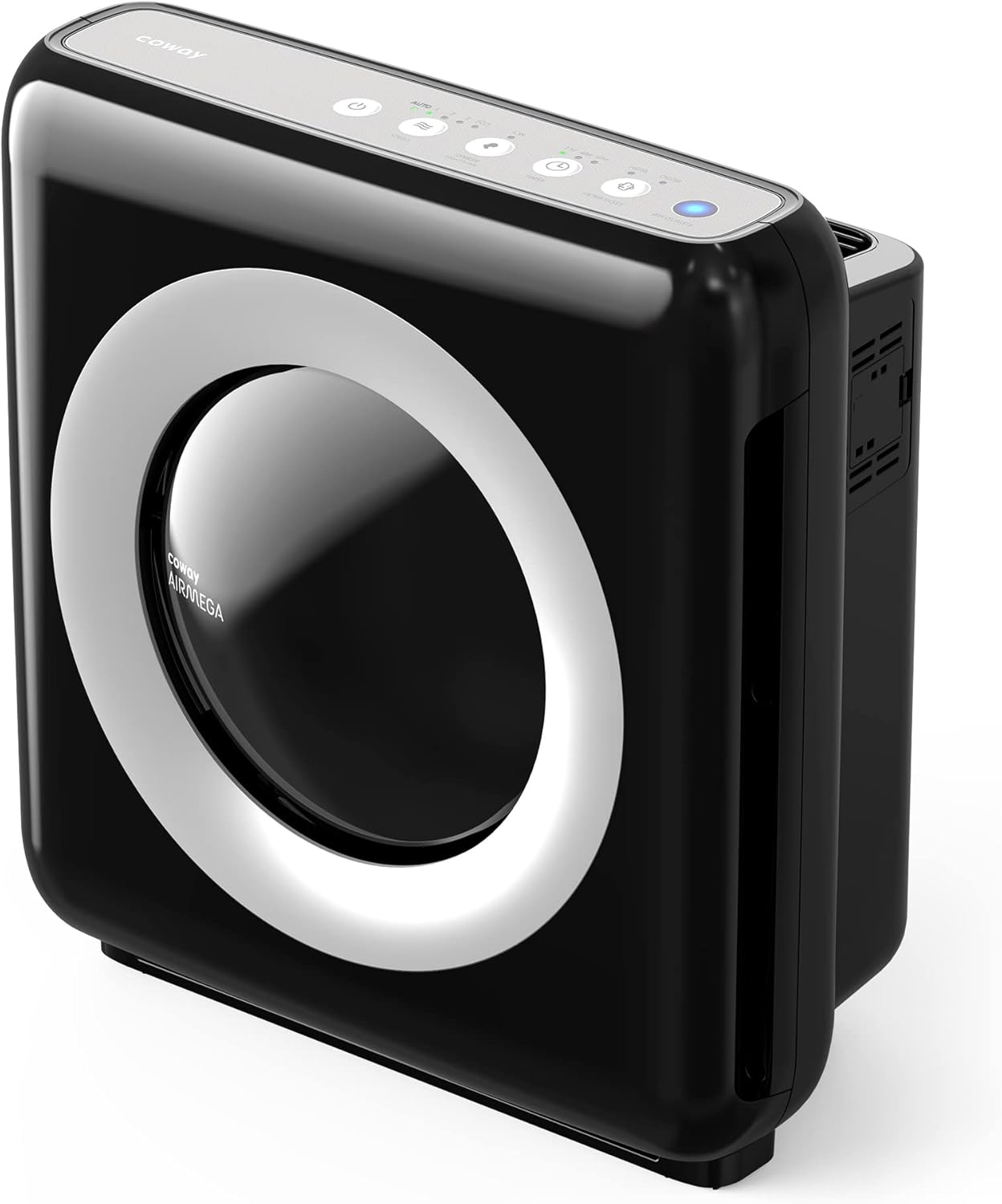 | 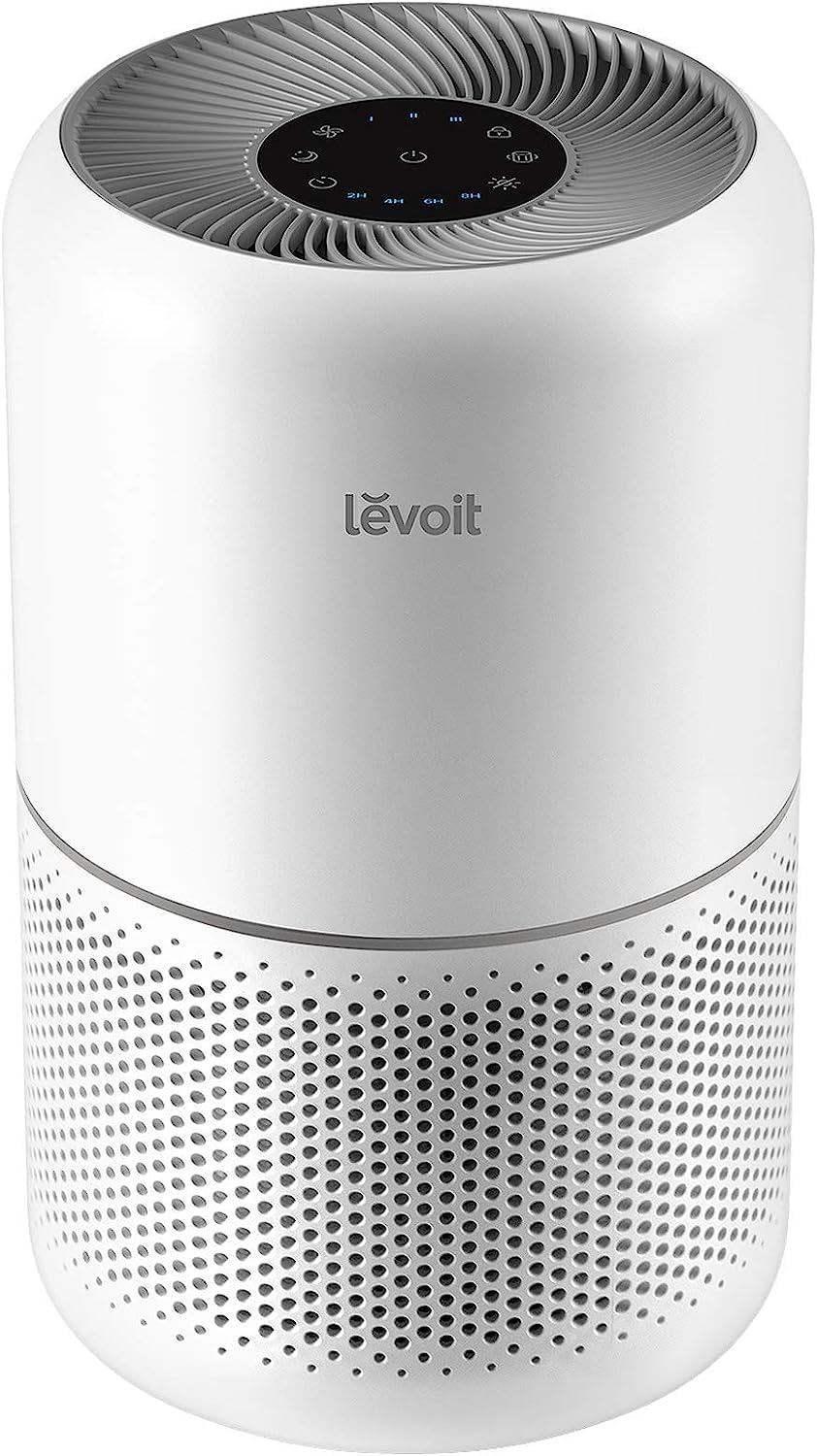 | 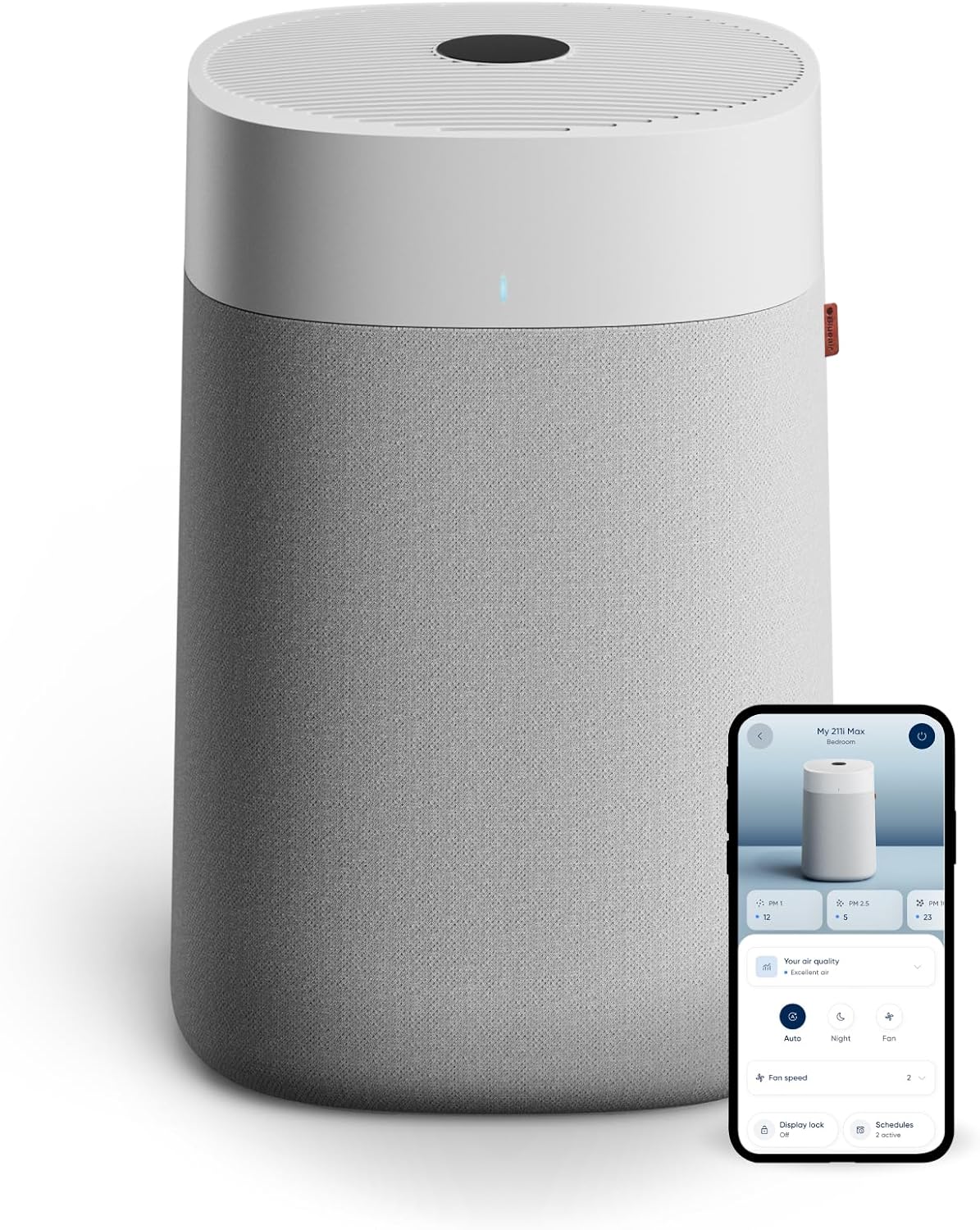 | 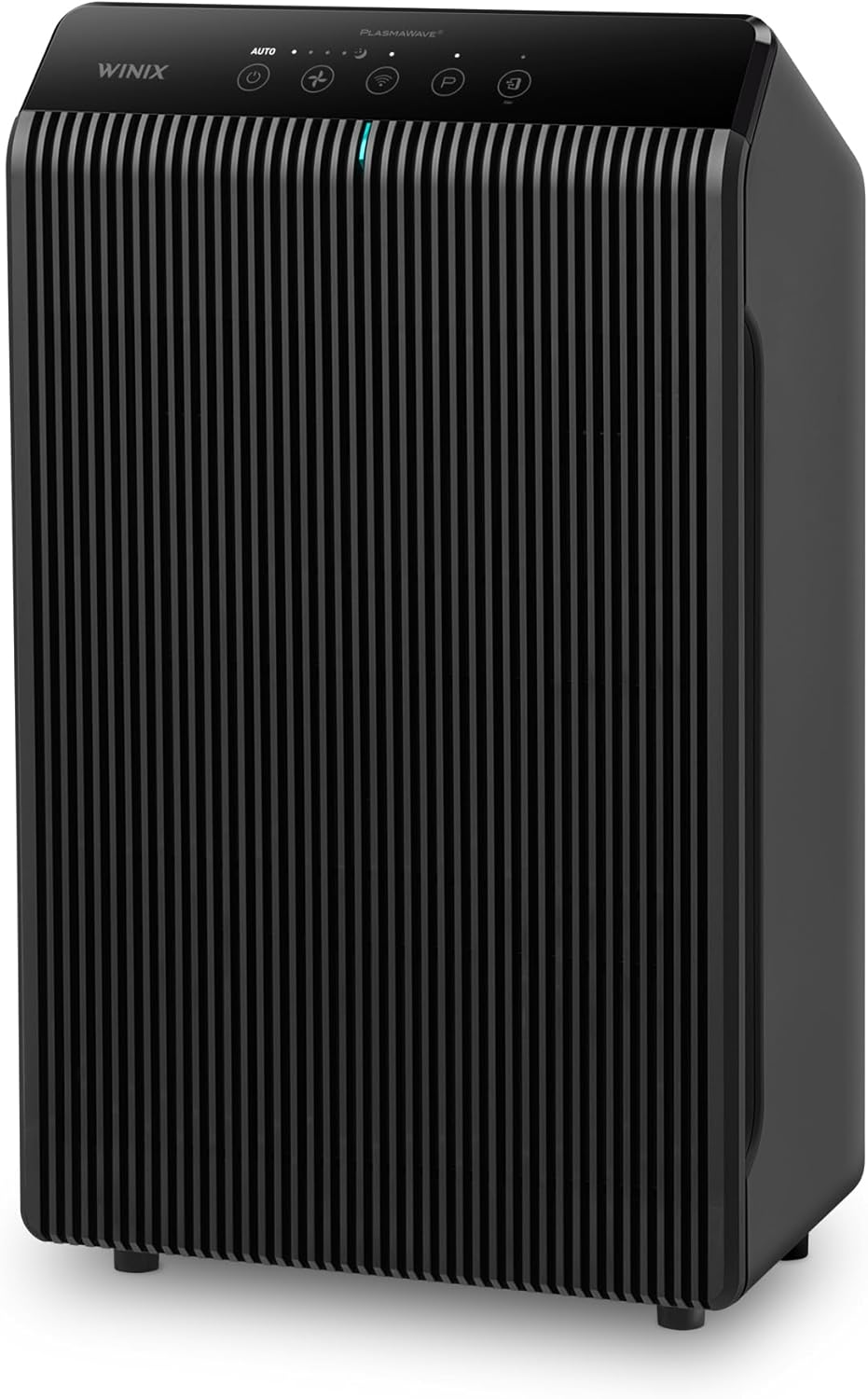 | 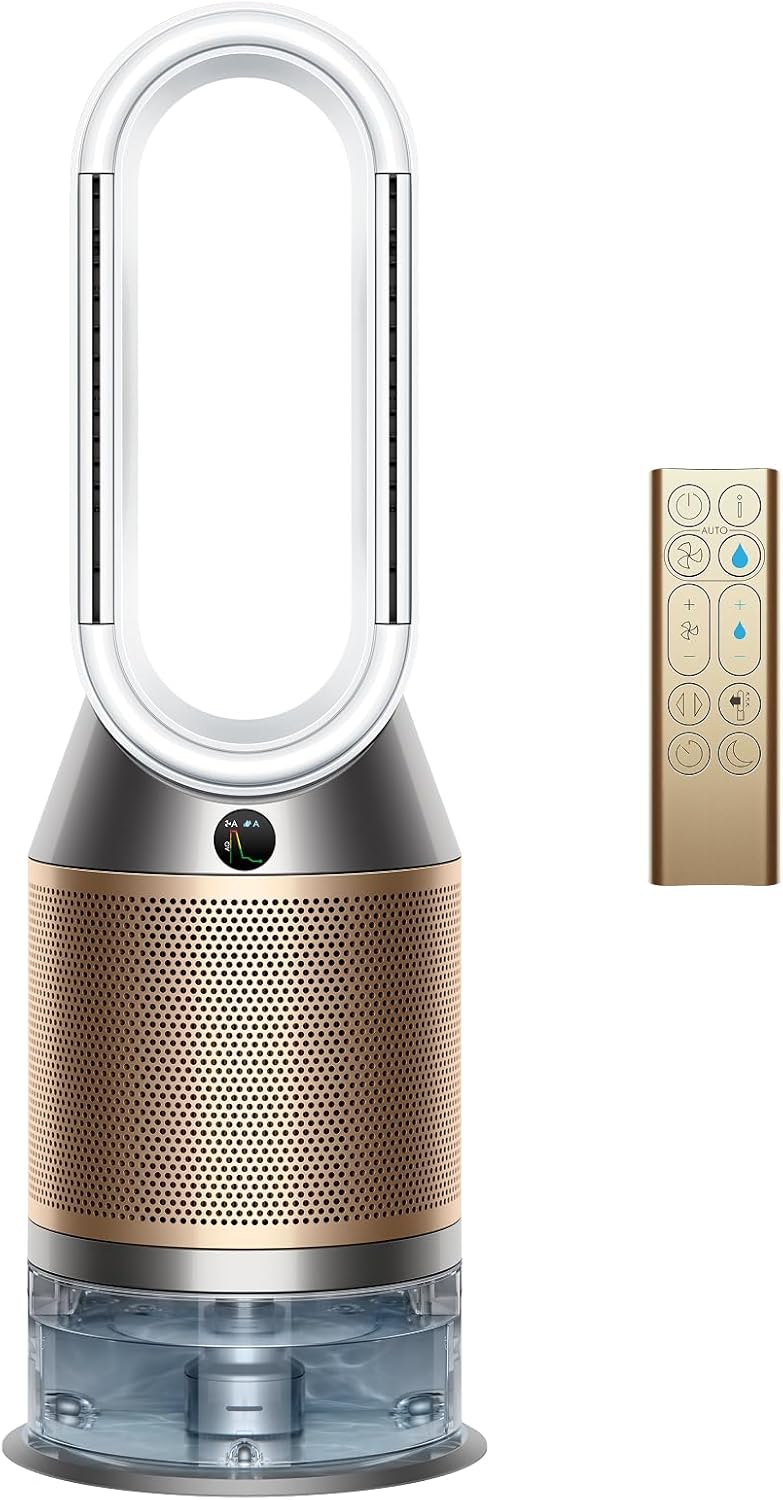 | |
Best for | Most homes (best “all-around”) | Bedroom / small rooms + smart control | Large rooms + open layouts | Pets + odor-leaning homes | Premium: purify + humidify + cooling |
Why it wins | Reliable performance + widely recommended | Strong usability + app/voice convenience | High CADR headroom for big spaces | Pet dander favorite + solid value testing | Multi-function comfort + advanced sensing |
“Real-life” strength | Easy to live with daily | Great “set it and forget it” | Big-room confidence | Smells + fur + everyday dust | One device replaces multiple appliances |
Watch-outs | Not the quietest on max | Not for huge open floor plans | Big footprint | Has ionizer feature (often optional) | Expensive + bigger maintenance routine |
Smart/app | Varies by version; strong basics | Yes (VeSync) | Yes (smart built-in) | Typically basic controls | Yes (MyDyson) |
Credible “why trust it” signal | Common top-pick in major roundups | Named best overall in testing roundup | Reported high CADR + large-room suitability | Stands out for pet dander in testing | Lab-tested favorite among purifier+humidifier combos |
Price |  | | | | |
What Most Placement Guides Get Wrong (And What We’re Doing Better)
Most top-ranking placement guides:
- Repeat “put it in the center” without explaining why corners fail (short-circuited airflow).
- Ignore the #1 real-life limiter: you’ll run it on low, so placement needs to help it work even at lower speeds.
- Skip room-by-room placements (bedroom vs living room vs kitchen vs pets).
- Don’t talk about vents/windows/doors that can mess with airflow and sensors.
This guide fixes those with simple rules, room-by-room setups, and quick “do this / don’t do this” checklists backed by manufacturer and public-health guidance.
The 5 placement rules that matter (no fluff)
1) Put it in the room you use most
Air cleaners are most effective when they’re placed where people spend the most time—especially if someone is vulnerable or isolating.
Translation: bedroom and living room beat “hallway because it looks nice.”
2) Give it clearance on all sides
Manufacturers explicitly warn against tight placement. Blueair’s guidance: keep it at least ~4 inches (10 cm) away from obstacles and avoid corners.
Easy visual: if a laundry basket, couch skirt, or curtain is within “toe distance,” move the purifier.
Quick Picks for Best Air Purifier
- Best overall for most homes: Coway Airmega AP-1512HH Mighty
- Best smart-value for bedrooms/small living areas: Levoit Core 300S
- Best for large rooms + open layouts: Blueair Blue Pure 211i Max
- Best for pets (dander + lingering smells) on a sane budget: Winix 5500-2
- Best premium “air-care system” (purify + humidify + cool): Dyson Purifier Humidify+Cool PH2 De-NOx
3) Avoid corners, under tables, and behind furniture
Corners restrict intake and create weird recirculation loops (the purifier keeps re-cleaning the same pocket of air).
Blueair literally calls out “avoid corners.”
4) Don’t place it where clean air gets immediately sucked away
If the purifier’s clean air blows straight into an exhaust path, you waste performance.
Washington State DOH recommends placing portable air cleaners away from exhaust vents so cleaned air goes into the room.
5) Follow the airflow “aim” of your model
Some purifiers are designed to throw air in a particular direction. For example, Dyson’s support guidance for certain models recommends positioning on the edge of the room, along a wall, aiming airflow toward the farthest point.
Translation: don’t fight the design—aim the clean-air stream across the room, not into a couch arm.
Feature | |||||
|---|---|---|---|---|---|
| | | | | |
Best for | Most homes (best “all-around”) | Bedroom / small rooms + smart control | Large rooms + open layouts | Pets + odor-leaning homes | Premium: purify + humidify + cooling |
Why it wins | Reliable performance + widely recommended | Strong usability + app/voice convenience | High CADR headroom for big spaces | Pet dander favorite + solid value testing | Multi-function comfort + advanced sensing |
“Real-life” strength | Easy to live with daily | Great “set it and forget it” | Big-room confidence | Smells + fur + everyday dust | One device replaces multiple appliances |
Watch-outs | Not the quietest on max | Not for huge open floor plans | Big footprint | Has ionizer feature (often optional) | Expensive + bigger maintenance routine |
Smart/app | Varies by version; strong basics | Yes (VeSync) | Yes (smart built-in) | Typically basic controls | Yes (MyDyson) |
Credible “why trust it” signal | Common top-pick in major roundups | Named best overall in testing roundup | Reported high CADR + large-room suitability | Stands out for pet dander in testing | Lab-tested favorite among purifier+humidifier combos |
Price | | | | | |
Best placement by room (copy/paste setups)
Bedroom (biggest “I can feel it” room)
Best spot: 4–8 feet from the bed, not blocked, with a clear path to blow clean air across the room.
Do this
- Put it on a stable surface and keep clearance around it.
- If someone is sensitive (allergies/asthma), put it closest to where they sleep.
Avoid
- Corner by the nightstand (common mistake).
- Directly beside a vent that yanks air away.
Living room (where undersizing + bad placement hurts)
Best spot: near the main seating zone, with airflow aimed across the room.
Do this
- Treat it like a “clean air lamp” for the seating area: you want that cleaned air passing through where people are.
- Keep it off to the side of foot traffic, but not trapped behind furniture.
Avoid
- Behind the couch (it starves the intake).
- In a decorative corner (same problem).
Kitchen (odors + particles, plus heat/grease risk)
Best spot: a few feet away from the stove, closer to the “air path” of cooking smells than the burner itself.
Do this
- Place it where it won’t get blasted by steam/grease.
- If you have an auto/sensor mode, avoid placing it where a draft or vent confuses readings (the unit keeps revving for the wrong reason).
Avoid
- Right next to the stove or directly under cabinets (grease and blocked airflow).
(Kitchen placement advice varies by model and layout—airflow clearance still rules.)
Nursery / kids’ room
Best spot: similar to bedroom placement—near the crib/bed area but out of reach.
Do this
- Prioritize “won’t get blocked by toys, laundry, or plushies.”
- Keep it where it won’t get unplugged (yes, this happens constantly).
Pets (dander zones)
Best spot: near the pet’s “home base” (dog bed, litter area), but not blowing directly into their face.
Do this
- Put it where fur and dander actually originate.
- Give it clearance—pet corners are often clutter corners.
Home office
Best spot: near your desk area, angled so clean air crosses your breathing zone.
Do this
- Put it where you sit for hours (not across the room “because aesthetics”).
Basement / musty room
Best spot: where air feels stagnant, with a clear path for the purifier’s output to circulate.
Important: a purifier helps particles, but mustiness often means moisture. If the basement is damp, address humidity too.
The “short-circuit” test (quick way to know if your placement is bad)
Stand where the purifier is and ask:
- Can it pull air from the open room, or is it sucking from a tight nook?
- Is the clean-air stream hitting a wall immediately?
- Would a towel draped nearby block intake?
If yes, move it.
Placement mistakes that quietly wreck performance
- Corner placement (most common)
- Too close to walls/furniture (restricted intake/output)
- Right next to exhaust vents (clean air gets removed before it helps you)
- Putting it in a giant open space when it’s sized for a room (placement can’t fix undersizing)
- Placing it somewhere it gets unplugged or piled on
Quick placement checklist (60 seconds)
- It’s in the room you use most.
- It has a few inches of clearance on all sides.
- It’s not in a corner or behind furniture.
- Clean air isn’t blowing straight into an exhaust path.
- It won’t be blocked by curtains, baskets, or “stuff.”
- The airflow direction matches the model’s intended positioning (if applicable).
FAQs: Best Air Purifier Placement
Where should I put an air purifier in a bedroom?
Put it in the bedroom near where you sleep, with good clearance and no furniture blocking intake/output. If someone is vulnerable, place it closest to them.
Is it okay to put an air purifier in a corner?
It’s usually a bad idea. Manufacturers explicitly recommend avoiding corners because airflow can’t circulate freely.
Should an air purifier be on the floor or a table?
Follow your model’s design. Many are built to run on the floor; the real rule is stable surface + clear airflow + not blocked.
Should I put an air purifier near a vent?
Avoid placing it where clean air gets pulled away immediately (like near exhaust vents). For central HVAC, you generally want it cleaning the room air, not feeding directly into a vent path.
Does placement really matter if the purifier is powerful?
Yes. Bad placement can reduce effective circulation, starve the intake, and make sensors behave weirdly—even with a strong unit.
Bottom line
The best air purifier placement formula is boring but effective: the room you live in + clear airflow + no corners + no blockages. Start there, and you’ll feel the difference faster than chasing “perfect” spots.
If you tell me your layout (room size, doors, vents, where you sit/sleep, and the purifier model), I can give you the single best spot in that room in one sentence.
Other Interesting Articles
- Best Air Purifier for Home (2026): Top 5 Picks That Actually Make a Difference
- PuroAir 240 vs Shark Air Purifier: Which One Should You Buy?
- PuroAir 240 vs Sans Air Purifier: Which One Should You Buy?
- PuroAir 240 vs Levoit 300: Which Air Purifier Is the Better Buy?
- PuroAir 240 vs PuroAir 400: Which One Actually Fits Your Home?
Author
HappyHomeNerd: We review home comfort gear the way real people use it: in lived-in rooms, with real sleep schedules, real pets, and real tolerance for noise.