I'm a participant in the Amazon Services LLC Associates Program, an affiliate advertising program designed to provide a means for me to earn fees by linking to Amazon.com and affiliated sites.
Our apartment air purifier guide will help you know the best sizes, placement, and settings. In an apartment, the fastest “feel it tonight” setup is one properly sized HEPA purifier in the bedroom, run 24/7, plus a short daily boost after cooking/cleaning. If your living area is open-plan or you deal with smoke/odors, two smaller units (bedroom + main room) usually beats one big unit parked in a corner.
The #1 mistake renters make is buying based on “up to ___ sq ft” and then running it on low forever. Size by CADR and place it where air can actually move.
Our Recommended Picks
Feature | |||||
|---|---|---|---|---|---|
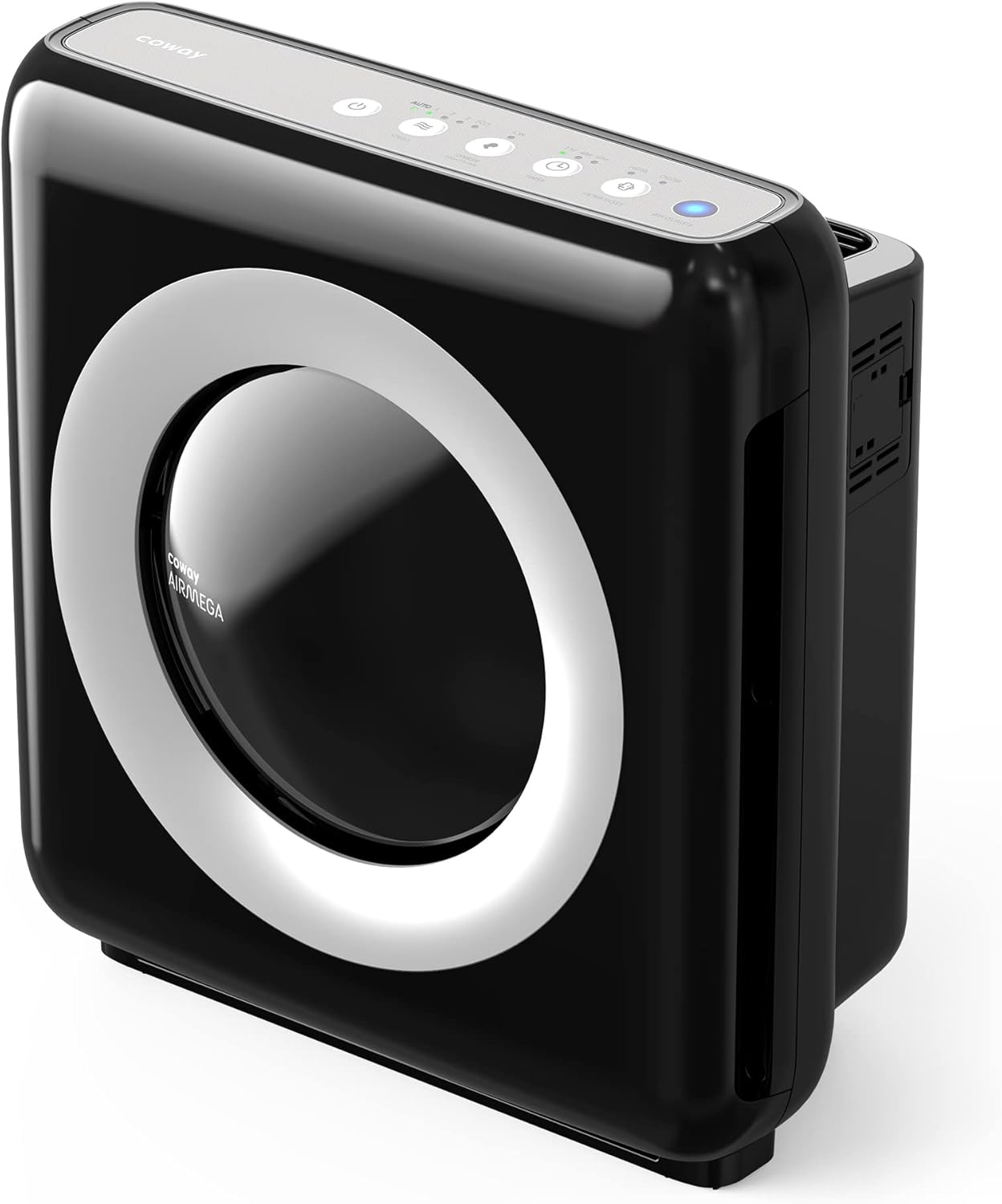 | 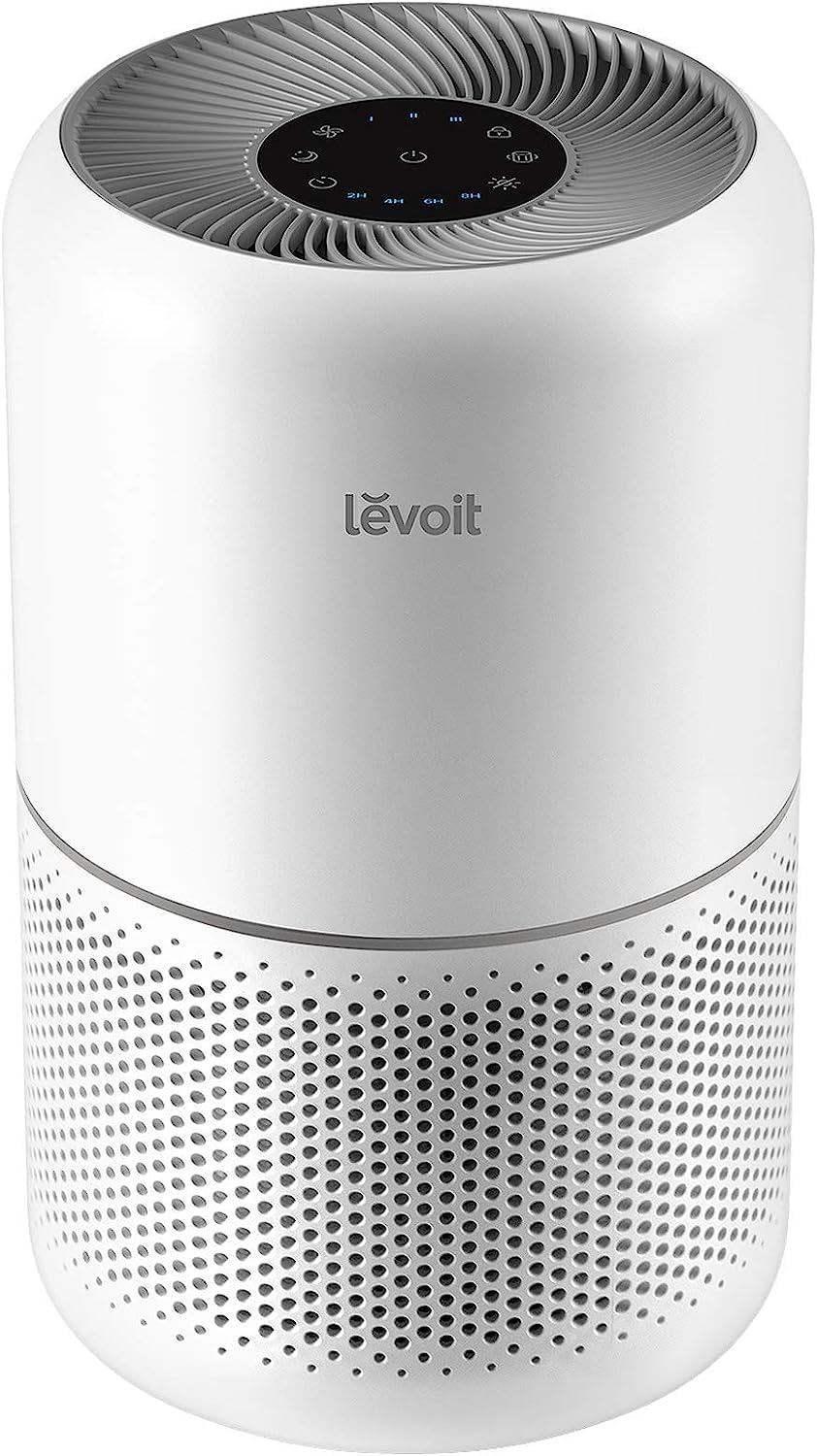 | 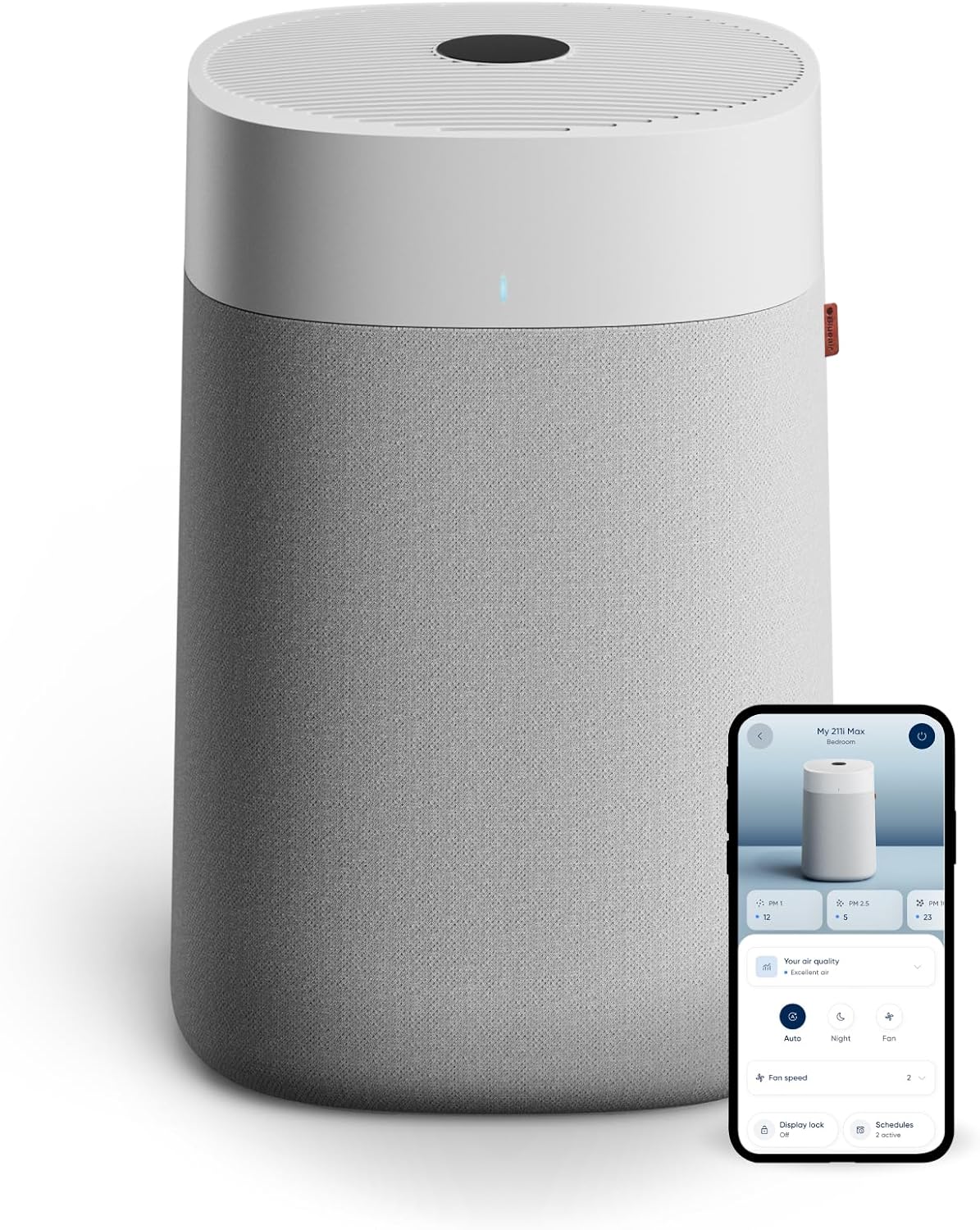 | 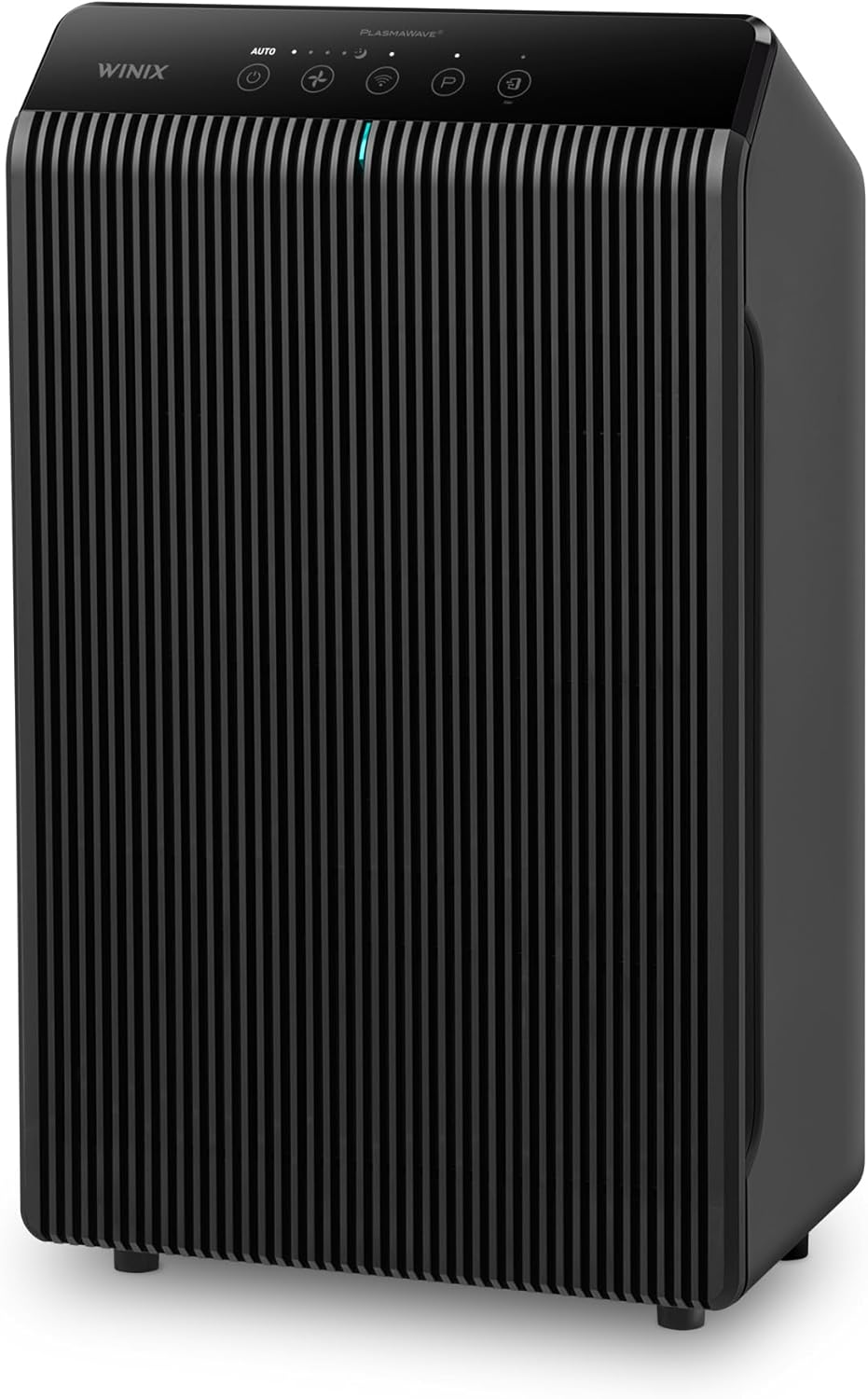 | 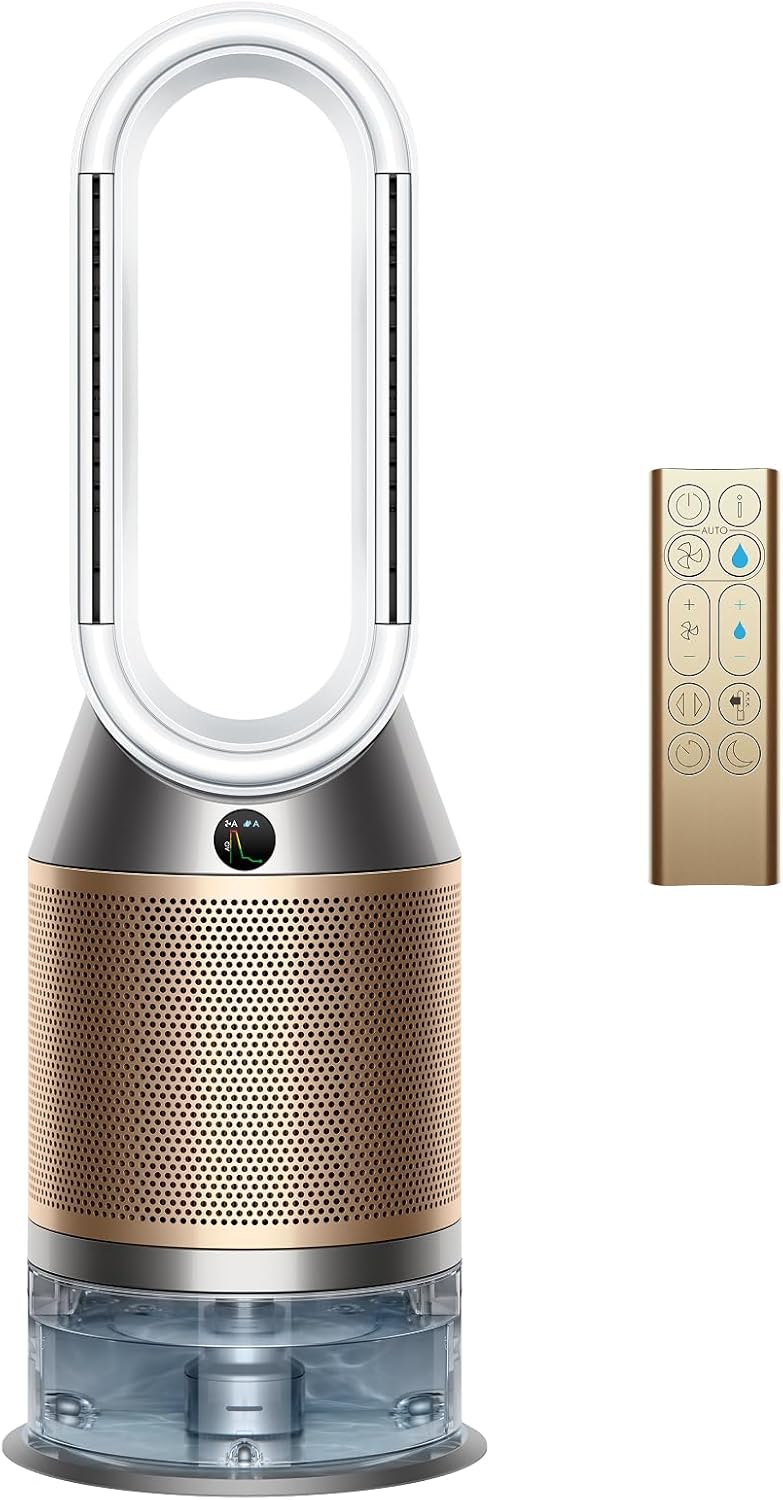 | |
Best for | Most homes (best “all-around”) | Bedroom / small rooms + smart control | Large rooms + open layouts | Pets + odor-leaning homes | Premium: purify + humidify + cooling |
Why it wins | Reliable performance + widely recommended | Strong usability + app/voice convenience | High CADR headroom for big spaces | Pet dander favorite + solid value testing | Multi-function comfort + advanced sensing |
“Real-life” strength | Easy to live with daily | Great “set it and forget it” | Big-room confidence | Smells + fur + everyday dust | One device replaces multiple appliances |
Watch-outs | Not the quietest on max | Not for huge open floor plans | Big footprint | Has ionizer feature (often optional) | Expensive + bigger maintenance routine |
Smart/app | Varies by version; strong basics | Yes (VeSync) | Yes (smart built-in) | Typically basic controls | Yes (MyDyson) |
Credible “why trust it” signal | Common top-pick in major roundups | Named best overall in testing roundup | Reported high CADR + large-room suitability | Stands out for pet dander in testing | Lab-tested favorite among purifier+humidifier combos |
Price |  | | | | |
What most apartment guides don’t do (and what we’re doing here)
Most top articles:
- Talk “best air purifier for apartments” instead of teaching room-by-room CADR sizing (the part that makes it work).
- Give vague placement tips without addressing open floor plans, studios, and doorway airflow.
- Skip the best real-life strategy: baseline 24/7 + short boost windows, especially for cooking and smoke.
This guide is feature-first and setup-first—no brand talk, just what to buy and how to run it.
Step 1: Decide your apartment strategy
Option A: One purifier (best for most renters)
Choose this if you want simple and you sleep in a separate bedroom.
Put it in the bedroom first. You spend ~7–9 hours there, and sleep is when allergies feel personal.
Option B: Two purifiers (best for studios + open-plan living rooms)
Choose this if:
- You have a studio, or
- Your kitchen/living room is one big space, or
- You cook a lot, have pets, or deal with smoke/neighbor odors
Why: air cleaners work best when they’re sized to the room they’re in, and open layouts behave like “bigger rooms.”
Quick Picks for Best Air Purifier
- Best overall for most homes: Coway Airmega AP-1512HH Mighty
- Best smart-value for bedrooms/small living areas: Levoit Core 300S
- Best for large rooms + open layouts: Blueair Blue Pure 211i Max
- Best for pets (dander + lingering smells) on a sane budget: Winix 5500-2
- Best premium “air-care system” (purify + humidify + cool): Dyson Purifier Humidify+Cool PH2 De-NOx
Step 2: Size it by CADR (the apartment sizing rule you can trust)
EPA’s guidance is straightforward: pick a portable air cleaner with a CADR large enough for the room, and higher CADR generally means it can filter more particles and serve a larger area.
The easiest rule (AHAM “2/3 rule”)
AHAM recommends: Smoke CADR ≥ 2/3 of the room’s square footage.
So a 150 sq ft bedroom wants ~100 CADR (smoke) as a minimum.
Apartment reality tip: buy headroom for quiet
Most people run purifiers on lower speeds (quieter), but CADR is typically measured at higher airflow settings. If you’re noise-sensitive, oversize so low/medium is still effective.
Feature | |||||
|---|---|---|---|---|---|
| | | | | |
Best for | Most homes (best “all-around”) | Bedroom / small rooms + smart control | Large rooms + open layouts | Pets + odor-leaning homes | Premium: purify + humidify + cooling |
Why it wins | Reliable performance + widely recommended | Strong usability + app/voice convenience | High CADR headroom for big spaces | Pet dander favorite + solid value testing | Multi-function comfort + advanced sensing |
“Real-life” strength | Easy to live with daily | Great “set it and forget it” | Big-room confidence | Smells + fur + everyday dust | One device replaces multiple appliances |
Watch-outs | Not the quietest on max | Not for huge open floor plans | Big footprint | Has ionizer feature (often optional) | Expensive + bigger maintenance routine |
Smart/app | Varies by version; strong basics | Yes (VeSync) | Yes (smart built-in) | Typically basic controls | Yes (MyDyson) |
Credible “why trust it” signal | Common top-pick in major roundups | Named best overall in testing roundup | Reported high CADR + large-room suitability | Stands out for pet dander in testing | Lab-tested favorite among purifier+humidifier combos |
Price | | | | | |
Quick CADR targets for typical apartment rooms
Apartment space | Typical size (sq ft) | Minimum Smoke CADR (2/3 rule) | Better target (quieter + faster clears) |
|---|---|---|---|
Small bedroom | 100–140 | 67–93 | 100–140 |
Medium bedroom | 150–220 | 100–147 | 150–220 |
Living room (closed) | 200–300 | 133–200 | 200–300 |
Studio “main zone” | 300–500 | 200–333 | 300–500 |
Open-plan living+kitchen | 350–650 | 233–433 | 350–650 |
Minimum CADR guidance comes from AHAM’s 2/3 rule and AirNow’s clean-room sizing guidance.
Ceiling height note: Most room-size rules assume ~8 ft ceilings. If your ceilings are higher, treat the space as larger (more air volume to clean).
Step 3: Placement that actually works in apartments
Here’s the goal: unblocked airflow. If the purifier can’t pull air in and push air out, CADR on the box doesn’t matter.
Best placement (by room)
Bedroom
- Place it near the bed, but not aimed directly at your face.
- Keep it away from curtains, piles of clothes, and under-bed jams.
Living room
- Put it where people sit (couch zone), not hidden behind a plant.
- If your kitchen is attached, place it closer to the “smells happen” side.
Studio
- Treat it like two zones:
- Zone 1: bed/sleep corner
- Zone 2: kitchen/living corner
Two smaller purifiers often win here.
Placement “don’ts” (apartment edition)
- Don’t wedge it in a corner (airflow gets starved).
- Don’t park it right next to an open window/doorway and expect miracles (you’re cleaning outdoor air… endlessly).
- Don’t put it in a steamy bathroom (humidity can be rough on filters and electronics).
AirNow emphasizes choosing the right size (CADR) and using it properly in a single room for best results.
Step 4: Best settings for apartments (quiet, effective, and realistic)
AirNow’s filtration guidance notes portable air cleaners can reduce indoor particle concentrations significantly and can be operated continuously, with performance depending on fan speed and use.
The best everyday routine: Baseline + Boost
Baseline (24/7)
- Auto (if it doesn’t spike loudly at night), or
- A steady low/medium that you’ll actually tolerate
Boost (when apartments get gross)
Run high for 30–60 minutes after:
- Cooking (especially frying/searing)
- Vacuuming/dusting
- Pet grooming
- Candles/incense (ideally skip during allergy season)
Night routine for allergy sleepers
- Run high for 30 minutes before bed
- Switch to your sleep setting overnight
If sleep mode feels “too weak,” that’s usually a sizing problem—get more CADR headroom.
Step 5: Common apartment scenarios (and the right setup)
“My apartment smells like my neighbors / hallway smoke”
A purifier helps with particles (like smoke particulates) when it’s HEPA + sized correctly. For odors/VOCs, you’ll want a meaningful activated carbon stage—but even then, gas filtration is limited and media saturates. EPA notes HEPA is common for particle removal, and gas/odor control is a separate, more limited challenge.
Do this:
- Bedroom clean-air focus first
- Seal obvious leaks (door sweep, weatherstripping) if allowed
- Run baseline continuously during problem hours
“Open-plan kitchen = constant cooking haze”
- Size the main room as one combined space
- Use boost after cooking
- If the layout is long, two units (kitchen end + couch end) often works better than one.
“Wildfire smoke season”
AirNow clean-room guidance: make one room your “clean room,” choose a purifier with smoke CADR sized to that room (2/3 rule), and run it continuously at the highest tolerable setting.
Maintenance: the quiet performance killer
- Check filters regularly.
- Replace on schedule (more often during smoke season, pet shedding, or heavy cooking). EPA emphasizes following the manufacturer’s maintenance guidance.
Also: yes, people accidentally run units with filters still wrapped in plastic. If performance is mysteriously awful, check that first.
FAQs: Apartment Air Purifier Guide
Can one air purifier cover an entire apartment?
Sometimes—but only if your apartment is small and fairly open and the purifier is sized for the combined area. In practice, one purifier is most effective in the room it’s in; many renters get better results with bedroom + main room coverage.
What size air purifier do I need for a 500 sq ft apartment?
Use CADR and treat open areas as one space. With the 2/3 rule, you’d look for smoke CADR roughly ~333 for 500 sq ft (minimum). Many people prefer more headroom to run quieter.
Where should I put an air purifier in a studio apartment?
Pick the zone you care about most (usually sleep) or use two zones (bed corner + kitchen/living corner). Placement works best when airflow isn’t blocked.
Should I run my air purifier all the time in an apartment?
If noise allows, yes—baseline 24/7 keeps particles from building up again, and boost mode handles spikes from cooking and cleaning. Portable units are commonly run continuously as part of indoor filtration guidance.
How do I size an air purifier if I have high ceilings?
Rules of thumb assume ~8 ft ceilings. If your ceilings are higher, treat the room as larger (more air volume), or size up for extra CADR headroom.
Bottom line
Apartments don’t need complicated air-purifier setups. They need right-sized CADR, smart placement, and a realistic runtime plan.
Start here:
- Bedroom first (sleep wins)
- Size by Smoke CADR (2/3 rule minimum)
- Run baseline 24/7 + boosts after cooking
- Add a second unit if you have a studio, open layout, or smoke/odor issues
Other Interesting Articles
- Best Air Purifier for Home (2026): Top 5 Picks That Actually Make a Difference
- PuroAir 240 vs Shark Air Purifier: Which One Should You Buy?
- PuroAir 240 vs Sans Air Purifier: Which One Should You Buy?
- PuroAir 240 vs Levoit 300: Which Air Purifier Is the Better Buy?
- PuroAir 240 vs PuroAir 400: Which One Actually Fits Your Home?
Author
HappyHomeNerd: We review home comfort gear the way real people use it: in lived-in rooms, with real sleep schedules, real pets, and real tolerance for noise.