I'm a participant in the Amazon Services LLC Associates Program, an affiliate advertising program designed to provide a means for me to earn fees by linking to Amazon.com and affiliated sites.
If you want the best air purifiers for wildfire smoke, then you need a portable air purifier with a true HEPA filter that’s properly sized by Smoke (tobacco) CADR—then you run it continuously in a closed “clean room.” That combo is what actually drops indoor smoke particles fast.
If you do just one thing today: pick one room (usually a bedroom), close it up, and run a HEPA purifier that meets the 2/3 CADR rule (or better).
Our Recommended Picks
Feature | |||||
|---|---|---|---|---|---|
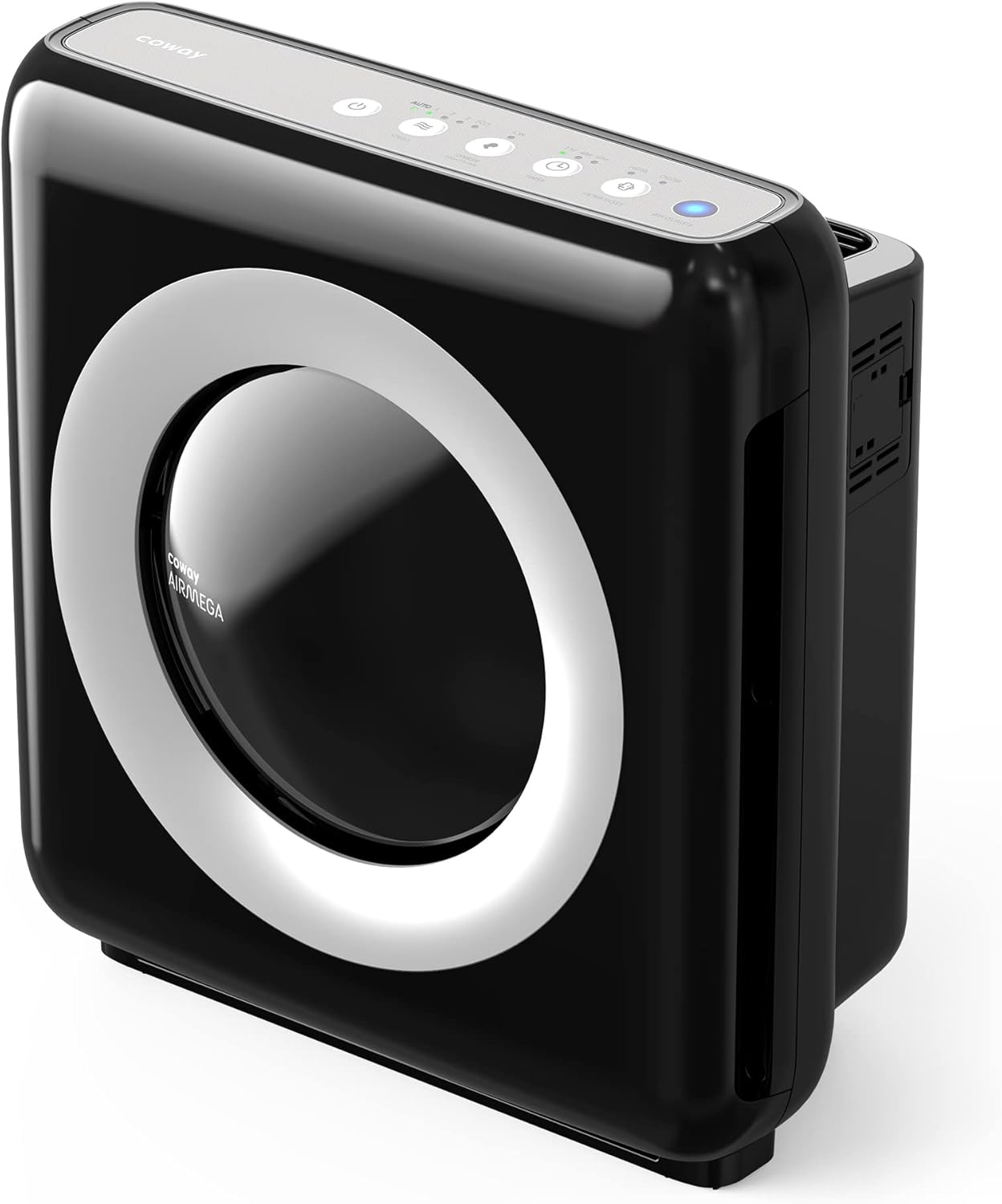 | 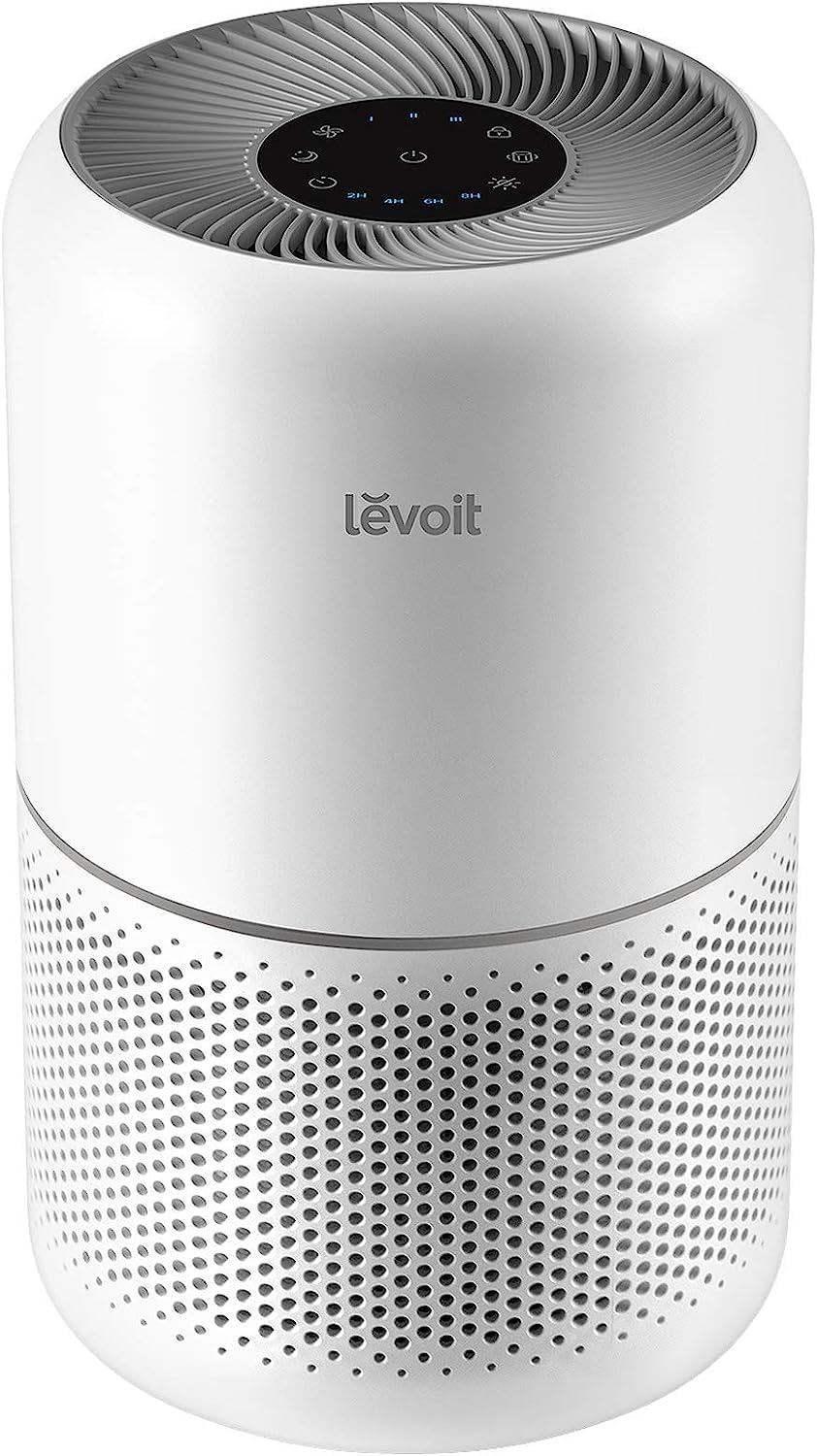 | 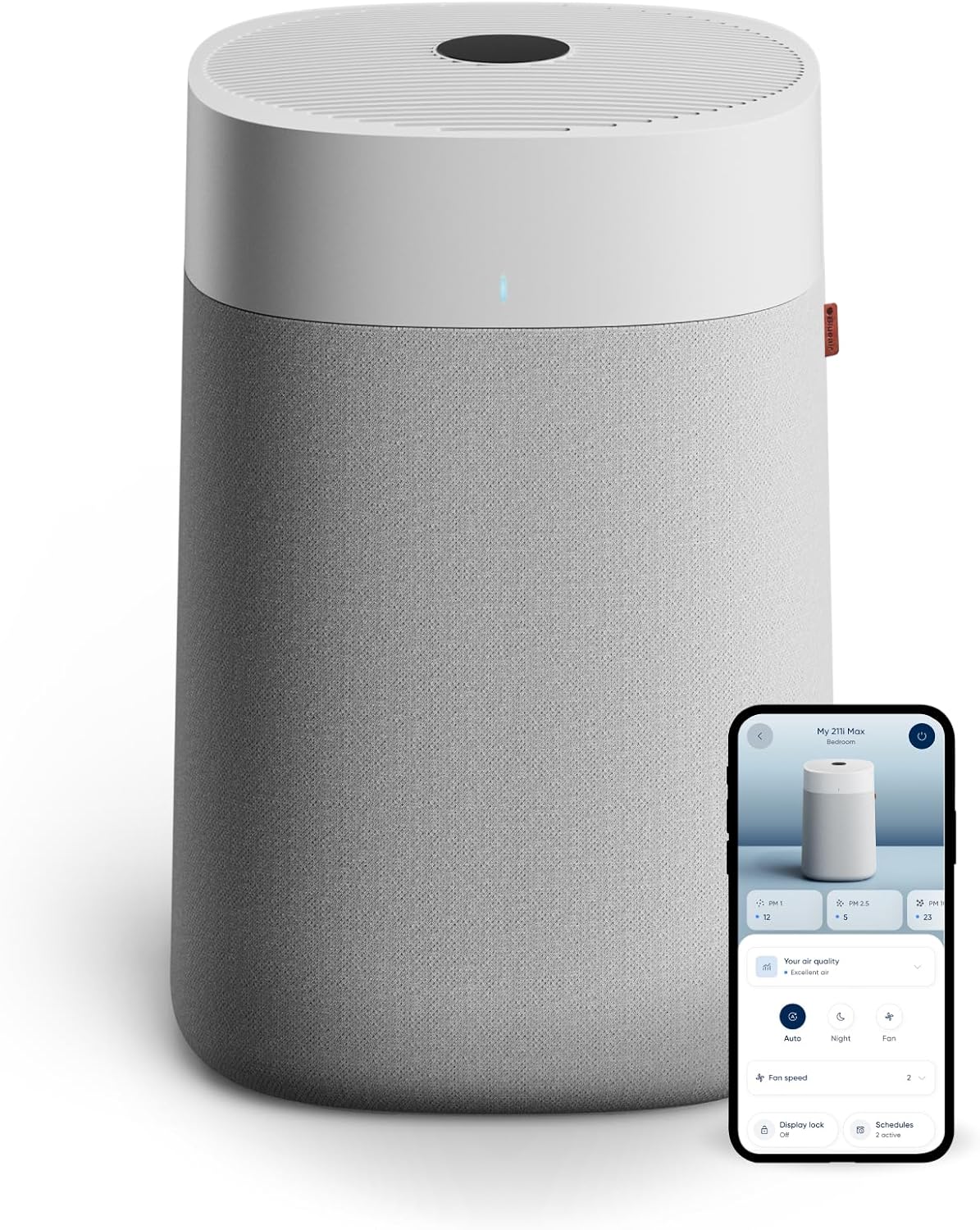 | 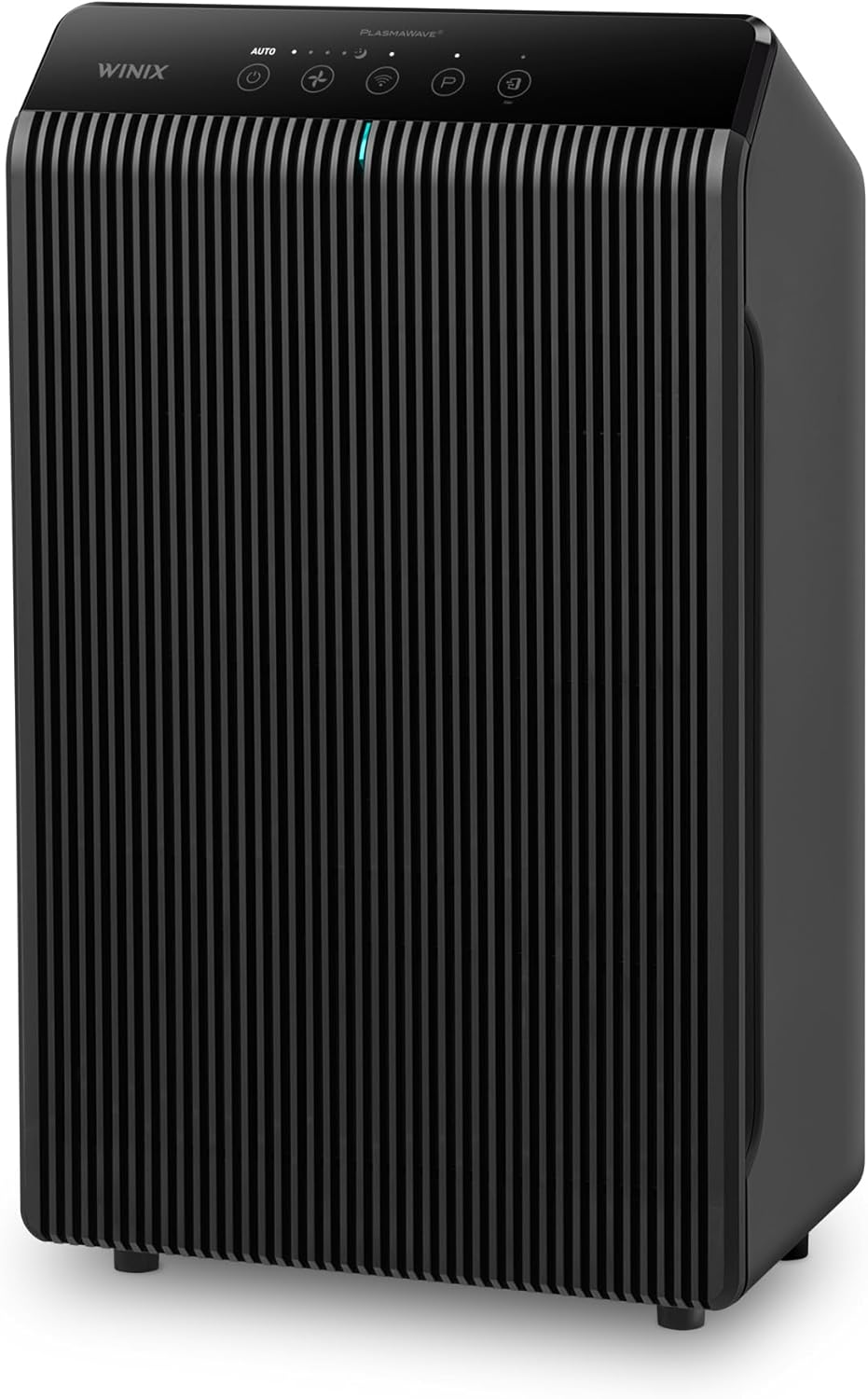 | 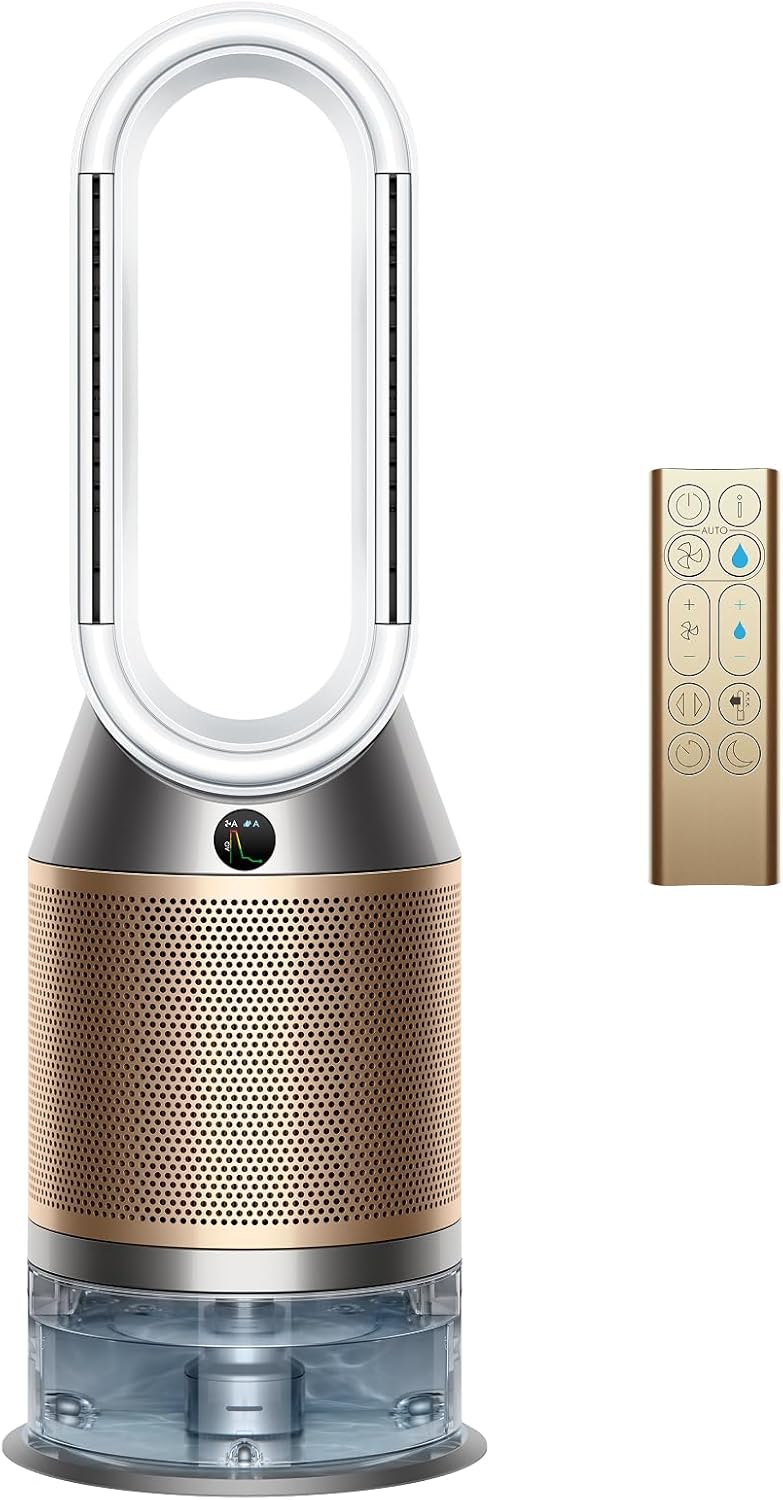 | |
Best for | Most homes (best “all-around”) | Bedroom / small rooms + smart control | Large rooms + open layouts | Pets + odor-leaning homes | Premium: purify + humidify + cooling |
Why it wins | Reliable performance + widely recommended | Strong usability + app/voice convenience | High CADR headroom for big spaces | Pet dander favorite + solid value testing | Multi-function comfort + advanced sensing |
“Real-life” strength | Easy to live with daily | Great “set it and forget it” | Big-room confidence | Smells + fur + everyday dust | One device replaces multiple appliances |
Watch-outs | Not the quietest on max | Not for huge open floor plans | Big footprint | Has ionizer feature (often optional) | Expensive + bigger maintenance routine |
Smart/app | Varies by version; strong basics | Yes (VeSync) | Yes (smart built-in) | Typically basic controls | Yes (MyDyson) |
Credible “why trust it” signal | Common top-pick in major roundups | Named best overall in testing roundup | Reported high CADR + large-room suitability | Stands out for pet dander in testing | Lab-tested favorite among purifier+humidifier combos |
Price |  | | | | |
What Top Articles Miss (and What We’re Doing Better)
Most top-ranking guides:
- Say “buy HEPA” but don’t teach you the CADR sizing rule that makes or breaks results.
- Don’t explain how to run it (continuous vs “auto,” fan speeds, clean-room rules).
- Underplay the filter burn rate during smoke events (it’s faster than you think).
- Forget the safety landmines: ozone generators marketed as “odor removers.”
This guide fixes all of that with simple sizing, room setup, and a realistic “how to run it” playbook.
What to buy for wildfire smoke (just the features that matter)
1) True HEPA filtration
Wildfire smoke is packed with fine particles (PM2.5). EPA’s wildfire-smoke course advises choosing a portable air cleaner with a HEPA filter for smoke events.
2) The right size: Smoke (tobacco) CADR
This is the spec that predicts performance.
- Minimum: Smoke/tobacco CADR ≥ 2/3 of your room’s square footage
- Better for wildfire smoke: AHAM recommends Smoke CADR ≈ 1× your room’s square footage if you can swing it
Example (easy math):
10′ × 12′ room = 120 sq ft → minimum smoke CADR 80 (2/3 rule).
3) No ozone
Avoid devices marketed as ozone generators. CARB strongly advises against ozone generators in spaces occupied by people or animals and notes they’re ineffective and can be harmful.
4) A filter plan that won’t fail mid-event
Smoke loads filters fast. EPA’s clean-room guidance notes filters may need to be changed every few weeks—or even days during smoke events, and recommends keeping extra filters on hand.
5) Optional but helpful: DIY air cleaner support
If budgets are tight, EPA has researched DIY air cleaners as a cost-effective option during wildfire smoke events.
The clean-room method (this is where the magic happens)
EPA recommends setting up a clean room during wildfire smoke: pick a room, keep smoke out, and filter the air inside it.
Choose your clean room
Pick a room you can close off—usually:
- Bedroom (best for overnight protection)
- Living room (if your family needs one shared space)
Close it up
- Keep windows and doors closed as much as possible during smoke conditions (follow local guidance).
- Use AC if you have it, ideally in recirculation when smoke is heavy (common clean-air practice during smoke events).
Put the purifier where it can breathe
Don’t smother it behind furniture. You want free airflow so it can pull in smoky air and push out clean air.
Feature | |||||
|---|---|---|---|---|---|
| | | | | |
Best for | Most homes (best “all-around”) | Bedroom / small rooms + smart control | Large rooms + open layouts | Pets + odor-leaning homes | Premium: purify + humidify + cooling |
Why it wins | Reliable performance + widely recommended | Strong usability + app/voice convenience | High CADR headroom for big spaces | Pet dander favorite + solid value testing | Multi-function comfort + advanced sensing |
“Real-life” strength | Easy to live with daily | Great “set it and forget it” | Big-room confidence | Smells + fur + everyday dust | One device replaces multiple appliances |
Watch-outs | Not the quietest on max | Not for huge open floor plans | Big footprint | Has ionizer feature (often optional) | Expensive + bigger maintenance routine |
Smart/app | Varies by version; strong basics | Yes (VeSync) | Yes (smart built-in) | Typically basic controls | Yes (MyDyson) |
Credible “why trust it” signal | Common top-pick in major roundups | Named best overall in testing roundup | Reported high CADR + large-room suitability | Stands out for pet dander in testing | Lab-tested favorite among purifier+humidifier combos |
Price | | | | | |
How to run it during wildfire smoke (the part most people get wrong)
Run it continuously
AirNow’s clean-room guide: run the air cleaner continuously in the clean room, ideally on the highest fan setting you can tolerate.
Real-life tip: If max is too loud for sleep, run it on max for 30–60 minutes before bed, then drop to the highest comfortable setting overnight.
Keep indoor particle sources low
EPA’s clean-room guidance also recommends avoiding activities that create particles indoors during smoke events (think candles, frying, vacuuming without HEPA, smoking).
Don’t rely on “auto mode” as your plan
Auto can be useful, but smoke events are not the time to “set and forget.” You want predictable, aggressive filtration.
Quick Picks for Best Air Purifier
- Best overall for most homes: Coway Airmega AP-1512HH Mighty
- Best smart-value for bedrooms/small living areas: Levoit Core 300S
- Best for large rooms + open layouts: Blueair Blue Pure 211i Max
- Best for pets (dander + lingering smells) on a sane budget: Winix 5500-2
- Best premium “air-care system” (purify + humidify + cool): Dyson Purifier Humidify+Cool PH2 De-NOx
Smoke CADR Targets (How Much CADR Per Sq Ft)
Clean room size (sq ft) | Minimum Smoke CADR (2/3 rule) | Better Smoke CADR (1× area for wildfire) |
|---|---|---|
100 | 67 | 100 |
150 | 100 | 150 |
200 | 133 | 200 |
300 | 200 | 300 |
400 | 267 | 400 |
Minimum sizing is directly recommended in EPA wildfire-smoke guidance and AirNow’s clean-room guide; “better” reflects AHAM’s wildfire-smoke recommendation.
Filters during smoke season: what “normal maintenance” looks like now
During wildfire smoke, your purifier is doing heavy labor.
EPA recommends having extra filters and replacing them when they look dirty or begin releasing smoke odors; during smoke events, replacement may be needed every few weeks or even days.
Your practical routine:
- Check filters every week during active smoke periods.
- If airflow drops or the room starts smelling smoky again, don’t overthink it—swap the filter.
Common mistakes that sabotage results
Mistake 1: Trying to clean the “whole house”
Smoke sneaks through cracks and open layouts. A single clean room is often the fastest win.
Mistake 2: Buying too small
If CADR is too low, the purifier can run all day and still feel useless. Use the 2/3 rule at minimum.
Mistake 3: Using ozone devices for “smell”
Ozone generators are not a safe workaround. CARB strongly advises against them.
Mistake 4: Not having spare filters
Smoke periods can turn replacement from “every 6–12 months” into “surprisingly soon.” EPA explicitly recommends extra filters on hand.
FAQs: Air Purifiers for Wildfire Smoke
What kind of air purifier is best for wildfire smoke?
A portable air cleaner with a HEPA filter that’s sized correctly for the room using Smoke (tobacco) CADR.
What CADR do I need for wildfire smoke?
EPA’s wildfire-smoke training and AirNow’s clean-room guide recommend Smoke/tobacco CADR of at least 2/3 of the room’s area. AHAM says 1× the room area is even better for wildfire smoke.
Should I run my air purifier on high during wildfire smoke?
Yes—AirNow’s clean-room guide recommends running it continuously on the highest fan setting you can tolerate.
How often should I change filters during wildfire smoke?
EPA notes you may need to change filters every few weeks or even days during smoke events and recommends keeping extras on hand.
Are ozone air purifiers safe for wildfire smoke?
CARB strongly advises against ozone generators in occupied spaces (including with animals).
Bottom line
For Air Purifiers for Wildfire Smoke, results come from a simple formula:
HEPA + correct Smoke CADR + one closed clean room + continuous runtime + spare filters (and no ozone).
Other Interesting Articles
- Best Air Purifier for Home (2026): Top 5 Picks That Actually Make a Difference
- PuroAir 240 vs Shark Air Purifier: Which One Should You Buy?
- PuroAir 240 vs Sans Air Purifier: Which One Should You Buy?
- PuroAir 240 vs Levoit 300: Which Air Purifier Is the Better Buy?
- PuroAir 240 vs PuroAir 400: Which One Actually Fits Your Home?
Author
HappyHomeNerd: We review home comfort gear the way real people use it: in lived-in rooms, with real sleep schedules, real pets, and real tolerance for noise.