I'm a participant in the Amazon Services LLC Associates Program, an affiliate advertising program designed to provide a means for me to earn fees by linking to Amazon.com and affiliated sites.
How often should you replace air purifier filters? Most homes should plan on replacing the main HEPA/HEPA-grade filter every 6–12 months… but that range is useless unless you factor in pets, smoke, and how hard you run the purifier. AHAM’s consumer guidance puts typical replacement in that 6–12 month window, while EPA’s guidance is simple: follow your manufacturer’s schedule and replace/maintain filters regularly.
The real-world rule: Check your filter monthly (yes, actually look at it). During heavy use, regulators note filters may need replacement several times a year, and in smoke events, as often as every few weeks or even days.
Our Recommended Picks
Feature | |||||
|---|---|---|---|---|---|
 |  |  | 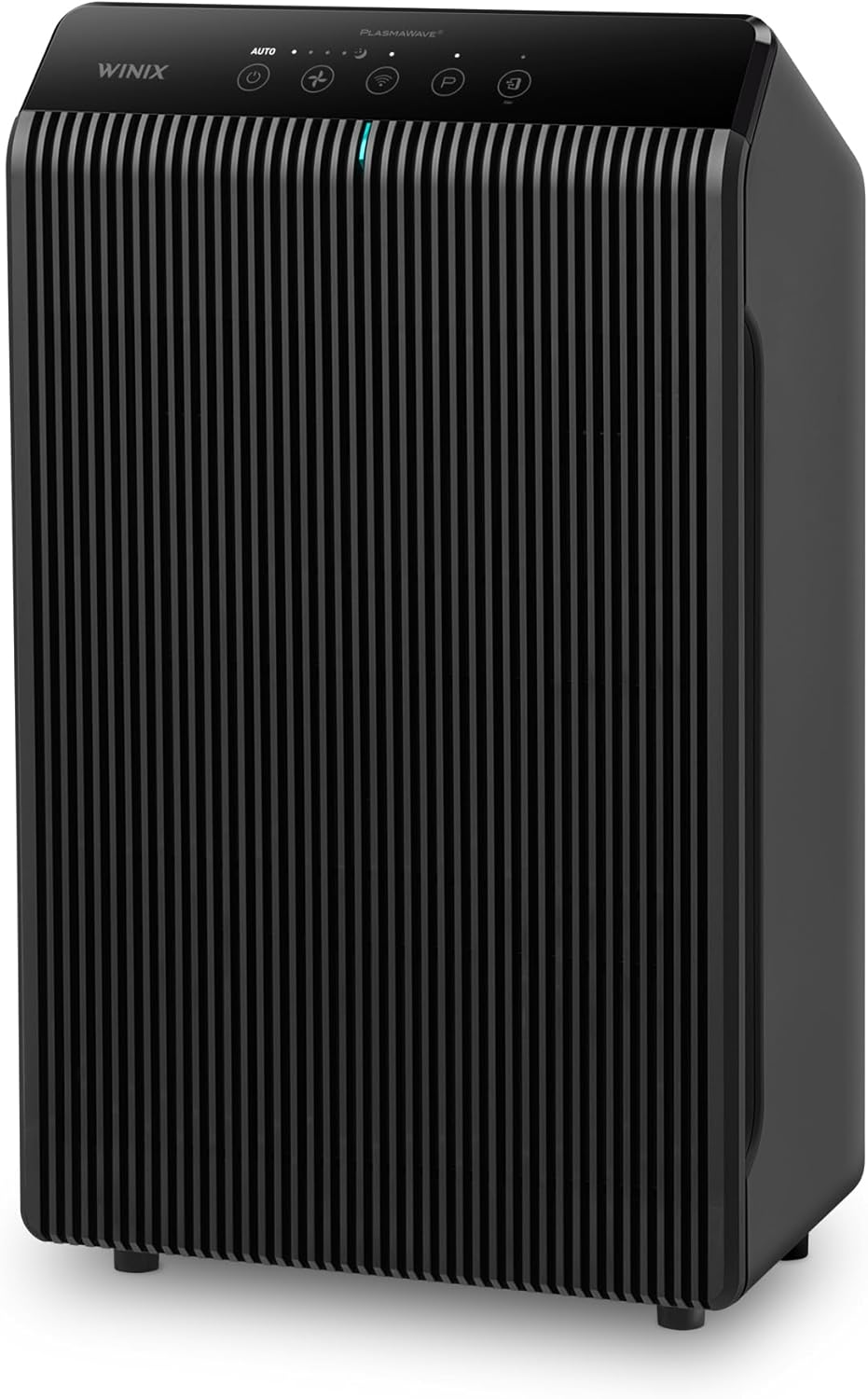 | 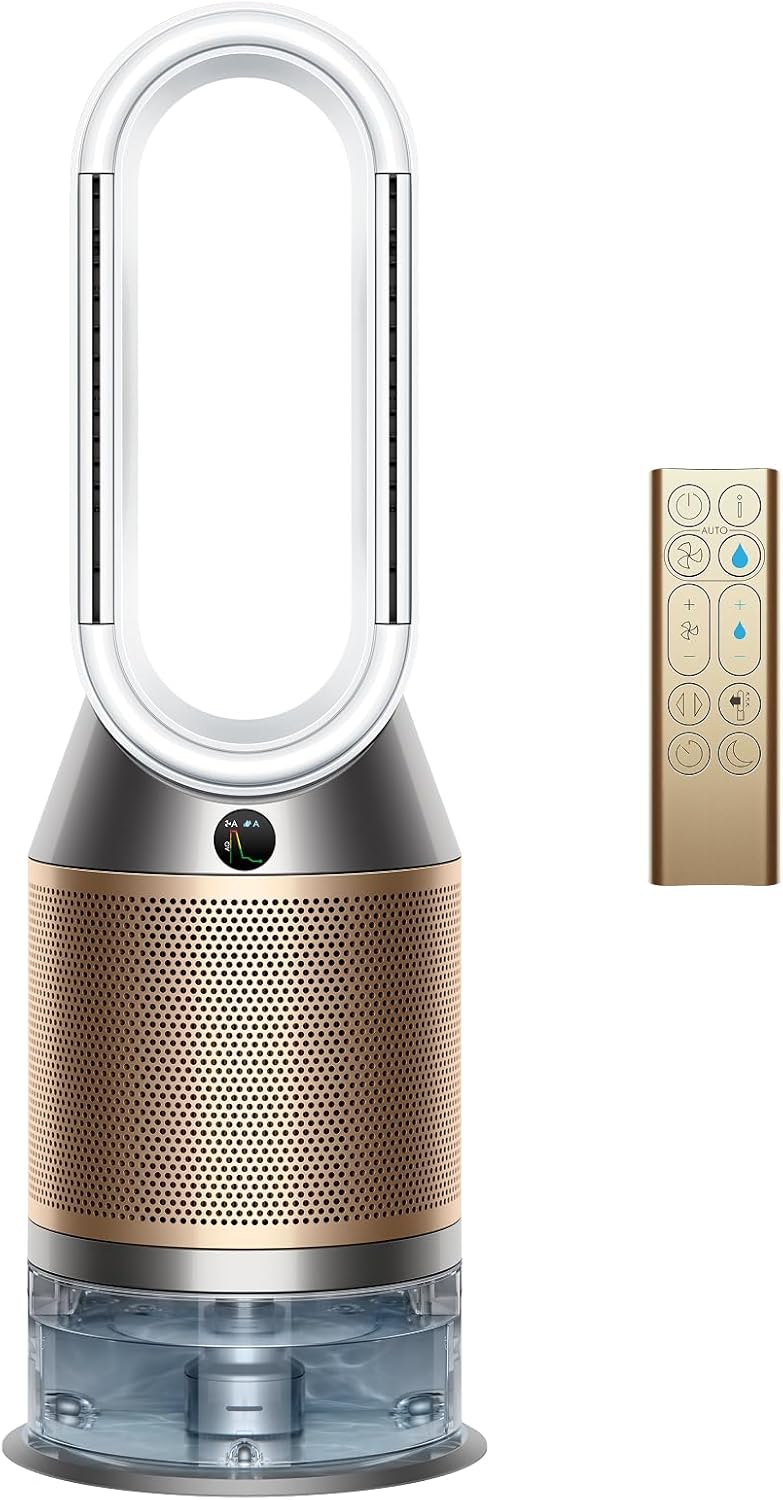 | |
Best for | Most homes (best “all-around”) | Bedroom / small rooms + smart control | Large rooms + open layouts | Pets + odor-leaning homes | Premium: purify + humidify + cooling |
Why it wins | Reliable performance + widely recommended | Strong usability + app/voice convenience | High CADR headroom for big spaces | Pet dander favorite + solid value testing | Multi-function comfort + advanced sensing |
“Real-life” strength | Easy to live with daily | Great “set it and forget it” | Big-room confidence | Smells + fur + everyday dust | One device replaces multiple appliances |
Watch-outs | Not the quietest on max | Not for huge open floor plans | Big footprint | Has ionizer feature (often optional) | Expensive + bigger maintenance routine |
Smart/app | Varies by version; strong basics | Yes (VeSync) | Yes (smart built-in) | Typically basic controls | Yes (MyDyson) |
Credible “why trust it” signal | Common top-pick in major roundups | Named best overall in testing roundup | Reported high CADR + large-room suitability | Stands out for pet dander in testing | Lab-tested favorite among purifier+humidifier combos |
Price |  | | | | |
What Most Filter Timeline Articles Get Wrong
Most top-ranking posts:
- Give one generic number (“change it every 6 months”) and skip filter type differences (pre-filter vs carbon vs HEPA).
- Don’t address the biggest reality: wildfire smoke and pets wreck timelines.
- Ignore the “quiet mode problem”: people run purifiers longer on low, which can still load filters fast.
- Talk about indicator lights like they’re gospel (they’re helpful, not magic).
We’re fixing this with: timelines by filter type + three usage tiers + smoke-season rules + brand examples you can sanity-check.
The Cheat Sheet You Actually Need
Real-life filter timelines (most common setup: pre-filter + carbon + HEPA)
What you’ll do most often: clean the pre-filter, replace carbon, replace HEPA.
Filter type | What it does | Normal homes | Heavy use homes (pets, smoke, construction, high fan) |
|---|---|---|---|
Pre-filter (mesh/screen) | Catches big stuff (hair, lint, dust clumps) | Clean every 2–4 weeks | Clean weekly |
Carbon (odor/VOC layer) | Helps with smells and some gases | Replace every 3–6 months | Replace every 1–3 months |
HEPA / HEPA-grade | Captures fine particles (pollen, smoke PM, dander) | Replace every 6–12 months | Replace every 3–6 months (and sooner in smoke events) |
Why these ranges are believable: AHAM notes many units land in the 6–12 month replacement zone depending on use/air quality. CARB notes many home filters need replacement several times a year, and EPA warns smoke events can shorten timelines to weeks/days.
Quick Picks for Best Air Purifier
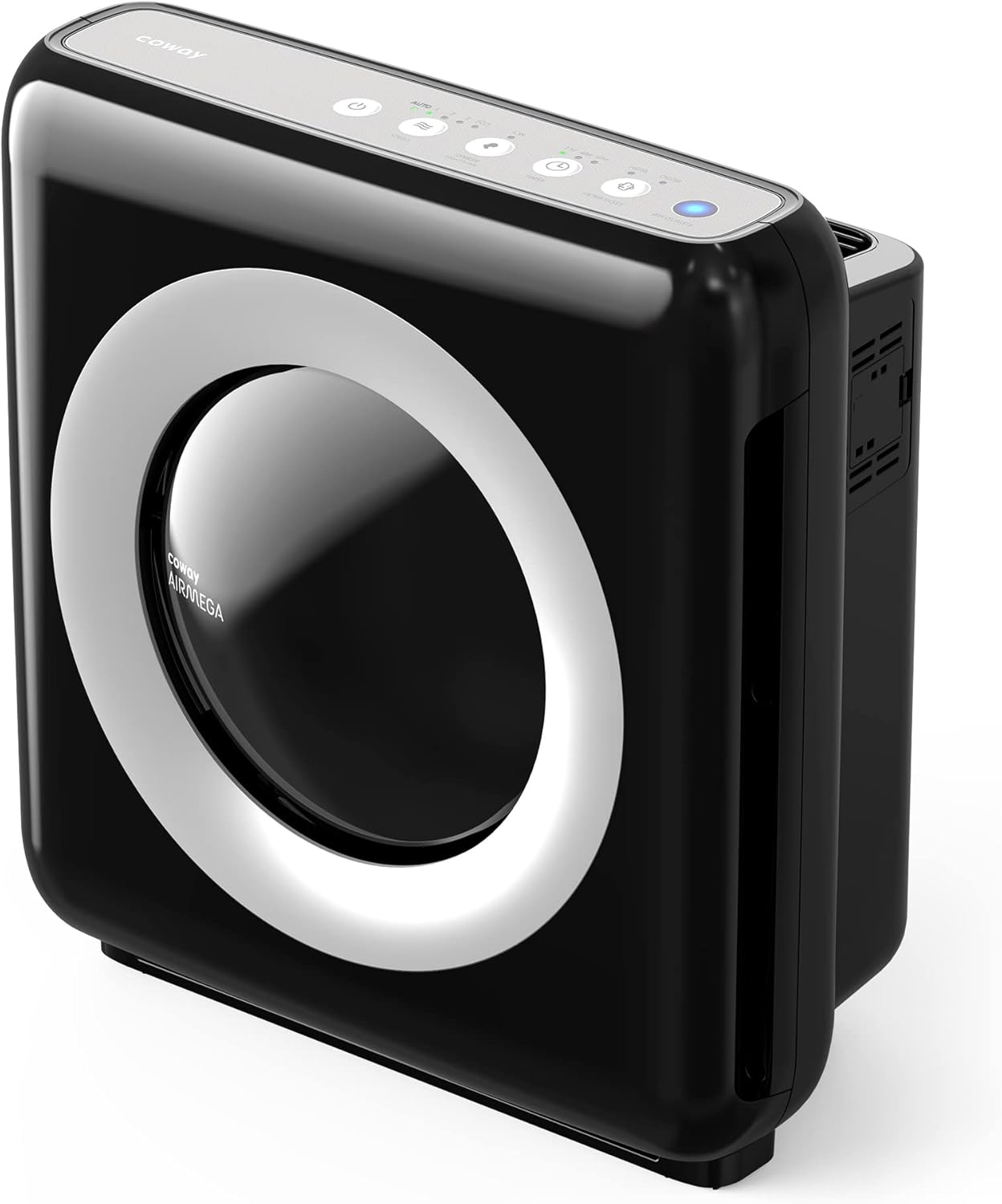
- Best overall for most homes: Coway Airmega AP-1512HH Mighty
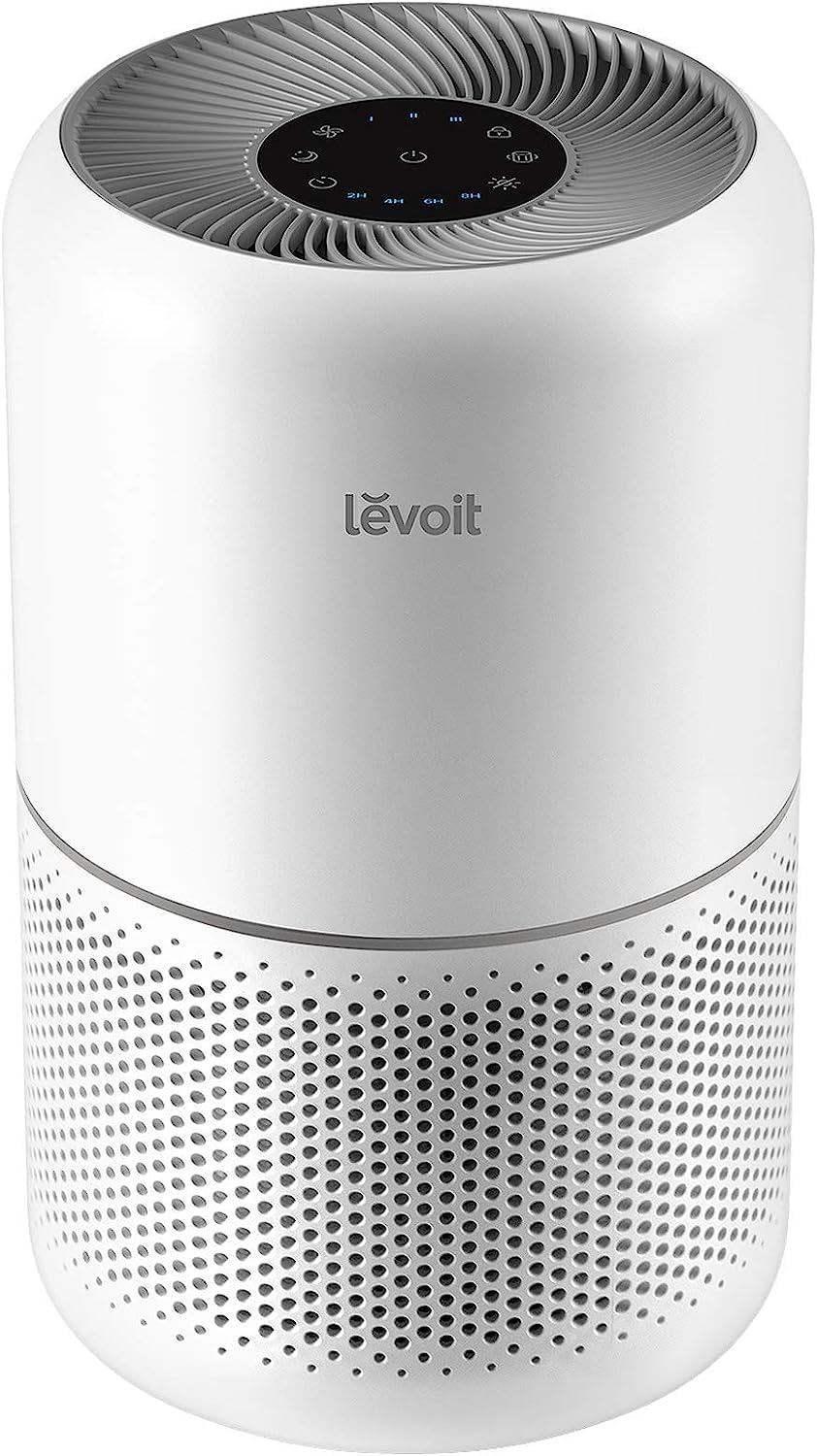
- Best smart-value for bedrooms/small living areas: Levoit Core 300S
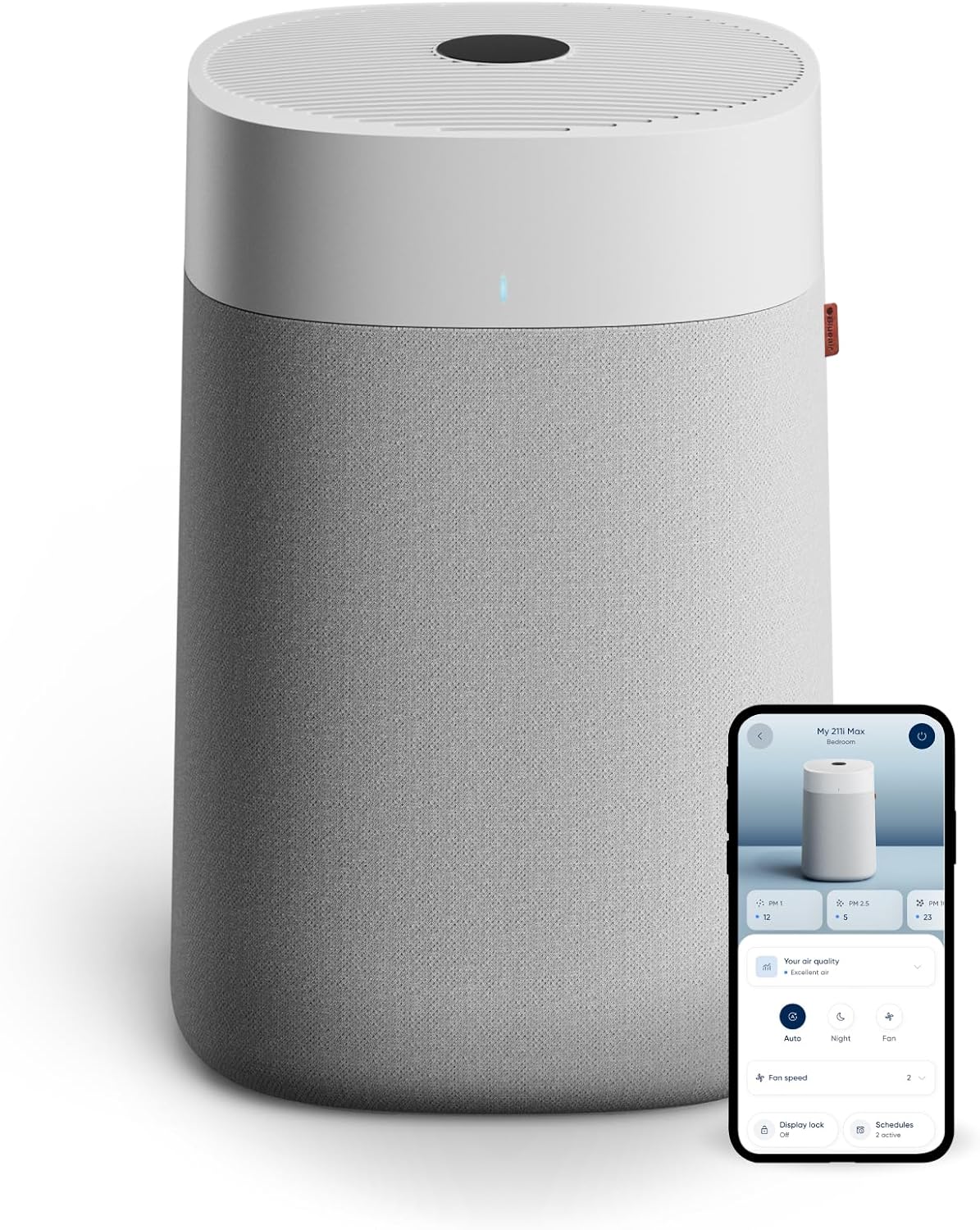
- Best for large rooms + open layouts: Blueair Blue Pure 211i Max
- Best for pets (dander + lingering smells) on a sane budget: Winix 5500-2
- Best premium “air-care system” (purify + humidify + cool): Dyson Purifier Humidify+Cool PH2 De-NOx
Step 1: Identify what filter setup you have (because “filters” isn’t one thing)
Most purifiers have 2–3 layers:
- Pre-filter: washable or vacuumable screen/mesh
- Carbon filter: thin sheet or thicker pellet carbon (odor-focused)
- HEPA / HEPA-grade: the main “particle” filter
EPA’s guidance is blunt for a reason: every unit needs periodic maintenance and replacement—follow the manufacturer’s instructions.
Step 2: Put yourself in the right “timeline tier”
Tier A: Low load (filters last longer)
- No pets
- No smokers
- Windows closed most of the time
- Purifier runs mainly on low, in a clean bedroom
You’re the person who can sometimes hit the upper end of “6–12 months.”
Tier B: Normal load (most homes)
- One pet or occasional cooking odors
- Seasonal pollen
- Purifier runs daily
Plan around the middle: carbon every 3–6 months, HEPA about once a year.
Tier C: Heavy load (filters fill fast)
- Multiple pets
- Wildfire smoke season
- Renovations, sanding, lots of outdoor air
- Purifier runs high or runs 24/7 in a main room
This is where “once a year” becomes fantasy.
CARB explicitly advises checking buildup monthly during heavy use and notes many home filters need replacement several times per year.
Feature | |||||
|---|---|---|---|---|---|
| | | | | |
Best for | Most homes (best “all-around”) | Bedroom / small rooms + smart control | Large rooms + open layouts | Pets + odor-leaning homes | Premium: purify + humidify + cooling |
Why it wins | Reliable performance + widely recommended | Strong usability + app/voice convenience | High CADR headroom for big spaces | Pet dander favorite + solid value testing | Multi-function comfort + advanced sensing |
“Real-life” strength | Easy to live with daily | Great “set it and forget it” | Big-room confidence | Smells + fur + everyday dust | One device replaces multiple appliances |
Watch-outs | Not the quietest on max | Not for huge open floor plans | Big footprint | Has ionizer feature (often optional) | Expensive + bigger maintenance routine |
Smart/app | Varies by version; strong basics | Yes (VeSync) | Yes (smart built-in) | Typically basic controls | Yes (MyDyson) |
Credible “why trust it” signal | Common top-pick in major roundups | Named best overall in testing roundup | Reported high CADR + large-room suitability | Stands out for pet dander in testing | Lab-tested favorite among purifier+humidifier combos |
Price | | | | | |
The Smoke-Season Exception
If you’re dealing with wildfire smoke or sustained indoor smoke exposure:
- EPA recommends changing filters when they look dirty or start releasing smoke odors.
- And EPA warns filters may need changing every few weeks or even days during smoke events.
Practical move: keep at least one spare filter set on hand before smoke season starts.
Brand Examples
These aren’t “best” picks—just clear manufacturer guidance examples to anchor expectations:
- Levoit Core 300 / 300S replacement filter: recommends replacement every 6–8 months.
- Coway Airmega AP-1512HH filter set: recommends replacing both activated carbon and True HEPA filters yearly.
- Shark NeverChange MAX marketing claim: positioned around up to a 5-year filter life (environment-dependent).
What this tells you: there’s no single universal timeline—design and use-case matter. AHAM’s “6–12 months for many units” is a good baseline, then you adjust for your environment.
“Replace it early” Signs (aka: Your Purifier is Begging For Help)
If you notice any of these, don’t wait for the calendar:
- Airflow feels weaker (even at the same fan setting)
- New or stronger odors coming from the unit (often carbon saturation)
- More dust settling than usual
- Allergy symptoms creeping back
- Filter looks gray/brown fast after cleaning the pre-filter
CARB recommends checking monthly for buildup during heavy use—because your eyes often catch problems before the reminder light does.
Can You Clean a HEPA Filter Instead of Replacing It?
Usually: no (or at least, don’t assume you can).
Some filters are washable/reusable, but many HEPA-style filters are designed for replacement. If your filter says “non-washable,” treat it like a replaceable part. EPA’s guidance is to follow manufacturer instructions for proper function.
If you want an easy habit that actually works: write the install date on the filter frame (or keep a phone note). Even lifestyle outlets recommend logging replacement/cleaning dates so you don’t lose track.
A Simple Maintenance Routine
Every 2–4 weeks
- Vacuum/clean the pre-filter (more often with pets)
Every month
- Visually inspect carbon + HEPA (hold up to light, check for heavy loading)
- Wipe the intake/outlet grilles
Every 3–6 months
- Replace carbon if odors are a priority (earlier if smells come back)
Every 6–12 months
- Replace HEPA/HEPA-grade filter (earlier in heavy use or smoke)
FAQs: How Often Should You Replace Air Purifier Filters?
How often should you replace an air purifier filter?
For many homes, every 6–12 months is typical for the main filter, but it varies a lot by usage and air quality—AHAM notes this range, and EPA recommends following your manufacturer’s guidance.
How often should you replace a carbon filter in an air purifier?
In real life, carbon often needs changing more frequently than HEPA, commonly every 3–6 months (or sooner if odors return).
How do I know if my air purifier filter needs replacing?
Watch for reduced airflow, odors, visible buildup, or symptoms returning. CARB recommends checking for dust/debris buildup at least monthly during heavy use.
Do air purifier filters need changing more often during wildfire smoke?
Yes. EPA specifically warns that during smoke events, filters may need changing every few weeks or even days, depending on conditions.
Can I vacuum or wash my HEPA filter?
Only if your manufacturer says it’s washable/reusable. Otherwise, follow the manufacturer’s maintenance and replacement recommendations to keep performance stable.
Bottom line
A “calendar-only” filter schedule is how people waste money and still breathe dirty air.
Use this instead:
- Look monthly
- Clean pre-filters often
- Replace carbon when odors return
- Replace HEPA on a 6–12 month baseline (sooner with pets/smoke)
Other Interesting Articles
- Best Air Purifier for Home (2026): Top 5 Picks That Actually Make a Difference
- PuroAir 240 vs Shark Air Purifier: Which One Should You Buy?
- PuroAir 240 vs Sans Air Purifier: Which One Should You Buy?
- PuroAir 240 vs Levoit 300: Which Air Purifier Is the Better Buy?
- PuroAir 240 vs PuroAir 400: Which One Actually Fits Your Home?
Author
HappyHomeNerd: We review home comfort gear the way real people use it: in lived-in rooms, with real sleep schedules, real pets, and real tolerance for noise.