I'm a participant in the Amazon Services LLC Associates Program, an affiliate advertising program designed to provide a means for me to earn fees by linking to Amazon.com and affiliated sites.
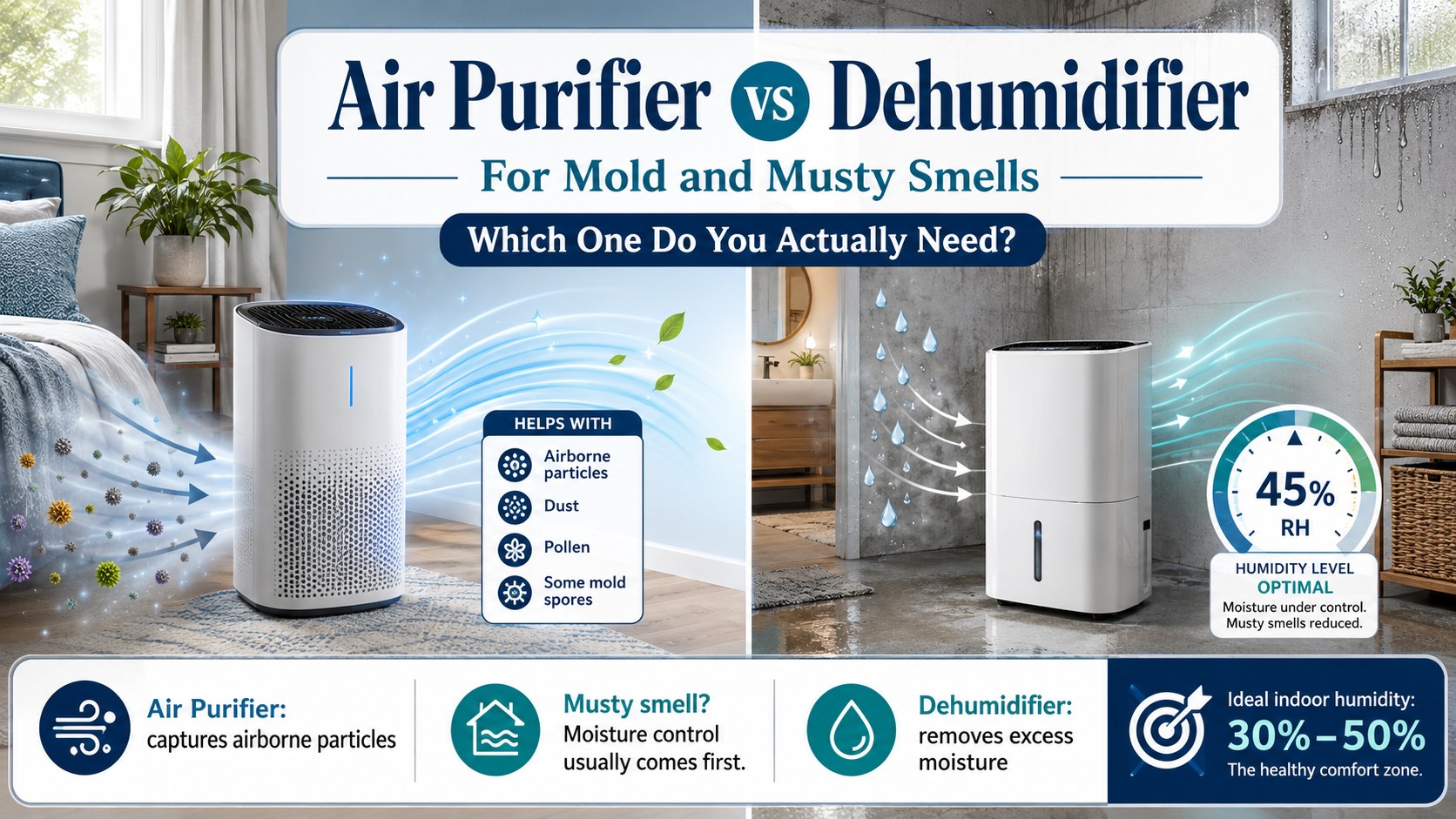
If you are choosing between an air purifier vs dehumidifier for mold and musty smells, the dehumidifier usually matters more because mold is a moisture problem first. An air purifier can help reduce some airborne mold spores and particles, but it cannot dry the room, fix a leak, remove visible mold, or stop mold from growing on damp surfaces.
The best answer is simple:
Problem | Better First Choice | Why |
|---|---|---|
Musty smell with high humidity | Dehumidifier | It lowers the moisture that allows mold and mildew to grow |
Visible mold on walls, ceilings, furniture, or grout | Neither alone | You need to fix moisture and clean or remove moldy material |
Allergy symptoms from airborne particles | Air purifier | It can help capture airborne particles, including some mold spores |
Damp basement, bathroom, closet, or apartment | Dehumidifier | It targets the source condition: excess moisture |
Mold smell after cleanup | Air purifier plus dehumidifier | Dehumidifier prevents return, purifier helps with leftover airborne particles |
Condensation on windows or pipes | Dehumidifier | Condensation is a humidity warning sign |
Pet dander, dust, pollen, smoke, or wildfire particles | Air purifier | These are filtration problems, not humidity problems |
Mold keeps coming back | Dehumidifier plus source repair | Mold returns when moisture is not fixed |
The EPA recommends keeping indoor humidity below 60%, ideally between 30% and 50%, to help reduce mold risk, pests, and dust mites. The CDC gives even stricter mold-prevention advice: keep home humidity no higher than 50% all day long, and fix roof, wall, or plumbing leaks so mold does not have moisture to grow.
So the short answer is this:
Use a dehumidifier to stop the damp conditions that cause mold and musty smells. Use an air purifier to reduce airborne particles after the moisture problem is under control.
Dehumidifier | Best For | Capacity | Drainage | Main Strength | Main Drawback | Price | |
|---|---|---|---|---|---|---|---|
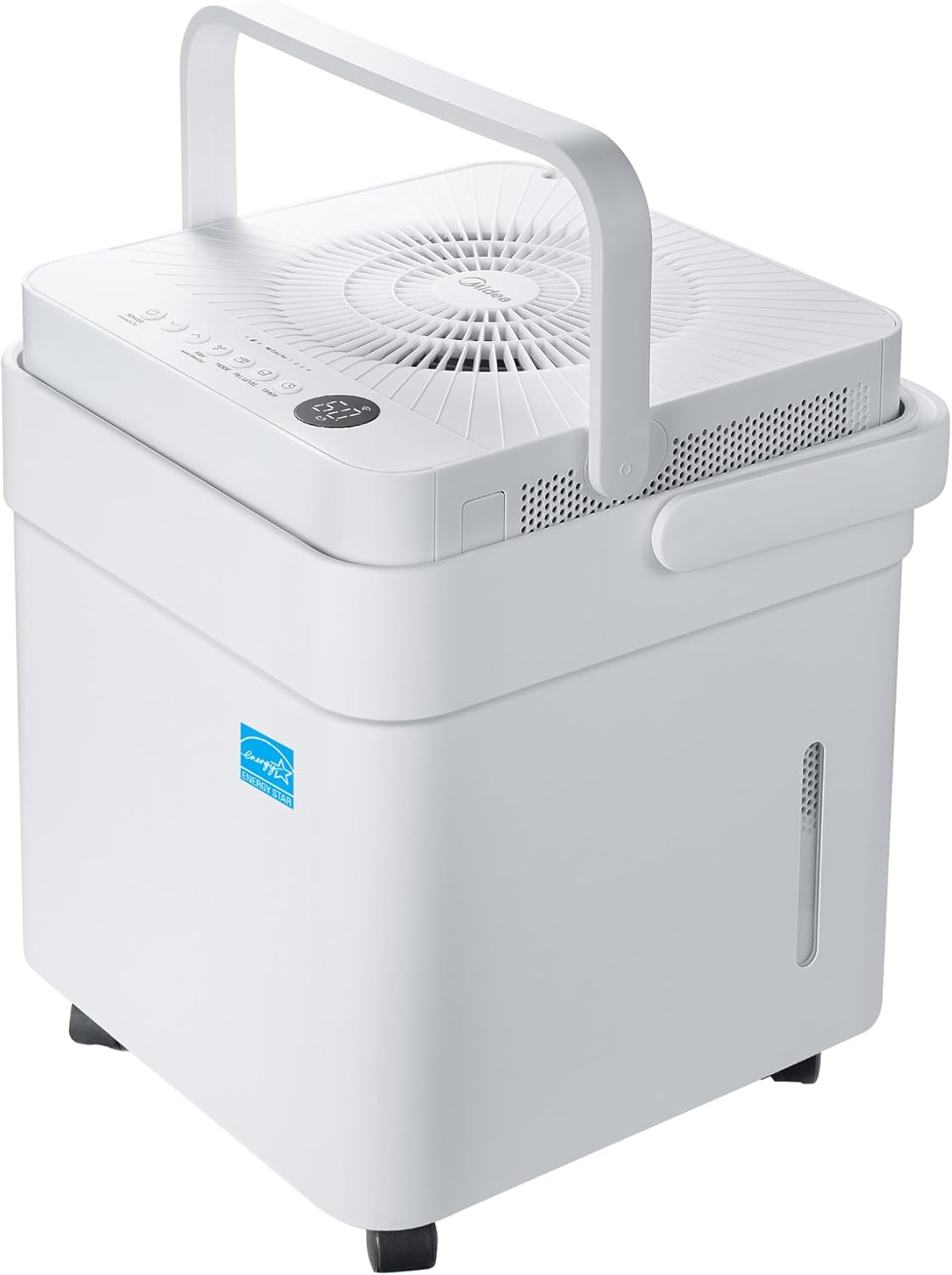 | Most apartments | 35 pints/day listed capacity | Bucket or hose | Compact, flexible, apartment-friendly | No built-in pump |  | |
| Very damp apartments | 50 pints/day | Bucket, hose, or pump | Strong capacity and pump drainage | Bigger and heavier | | |
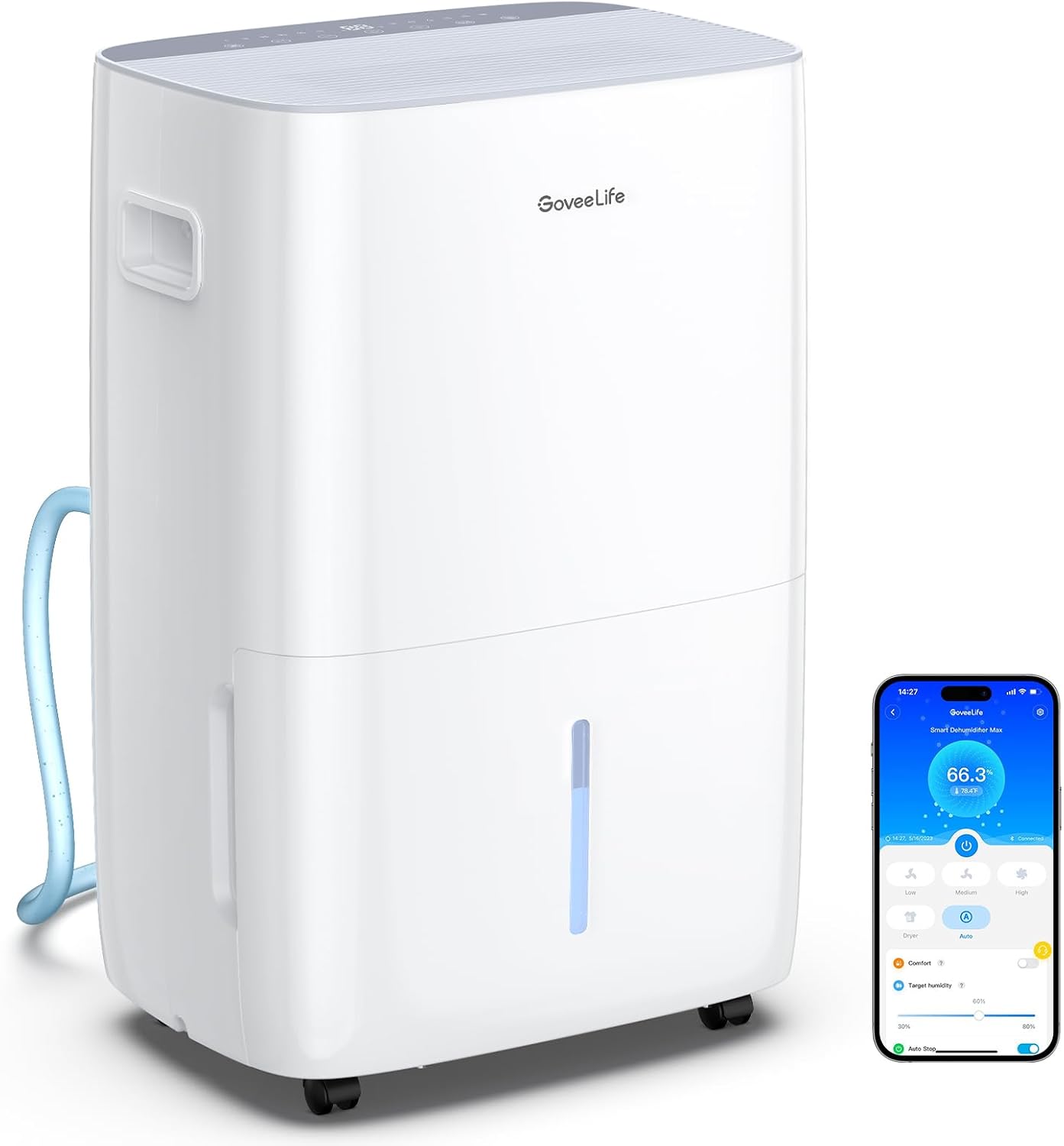 | Smart high-capacity control | 50-pint class | Hose and pump | App control and strong moisture removal | Overkill for small dry rooms | | |
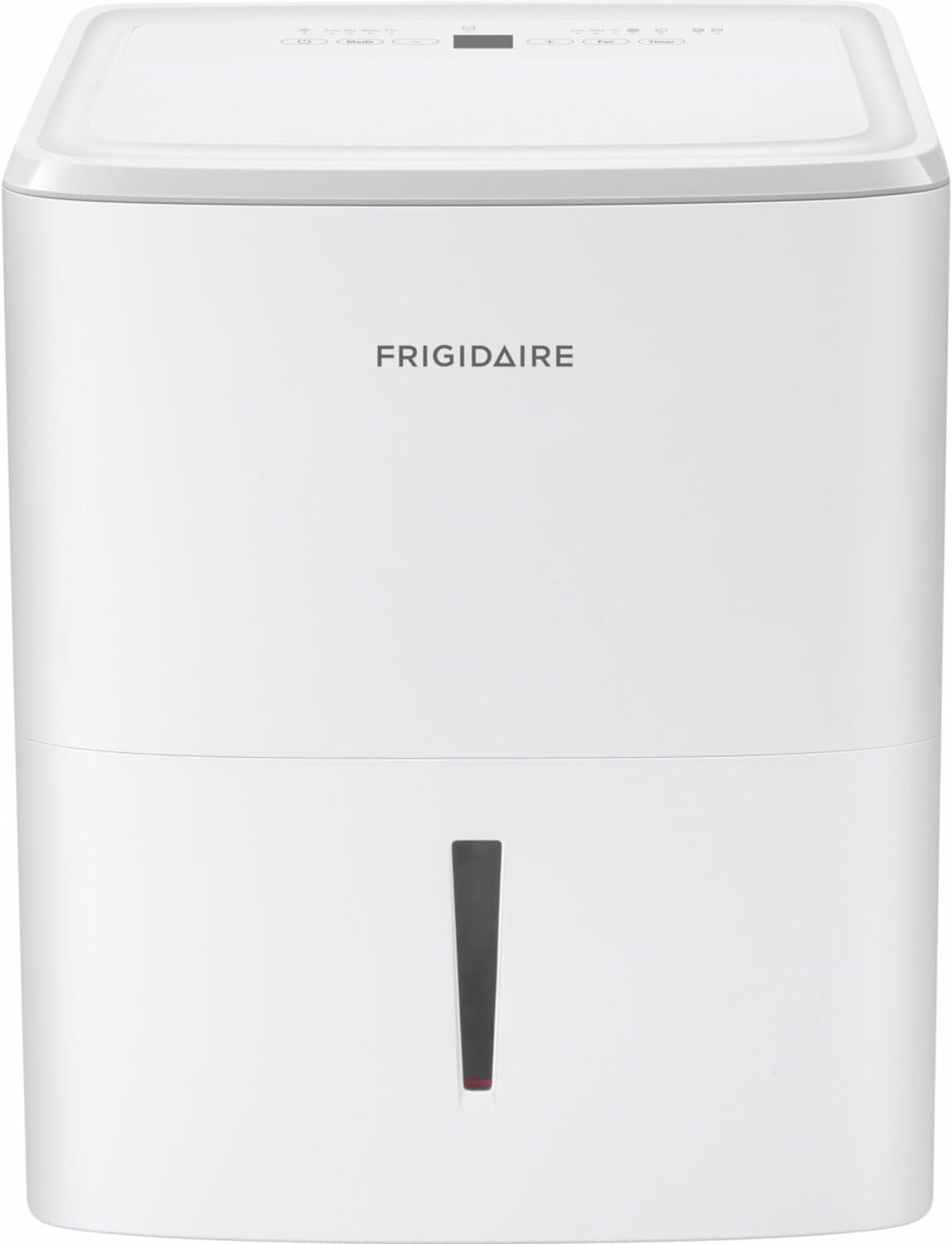 | Traditional apartment setup | 35 pints/day | Bucket or hose | Familiar upright design | Smaller bucket than Cube-style units | | |
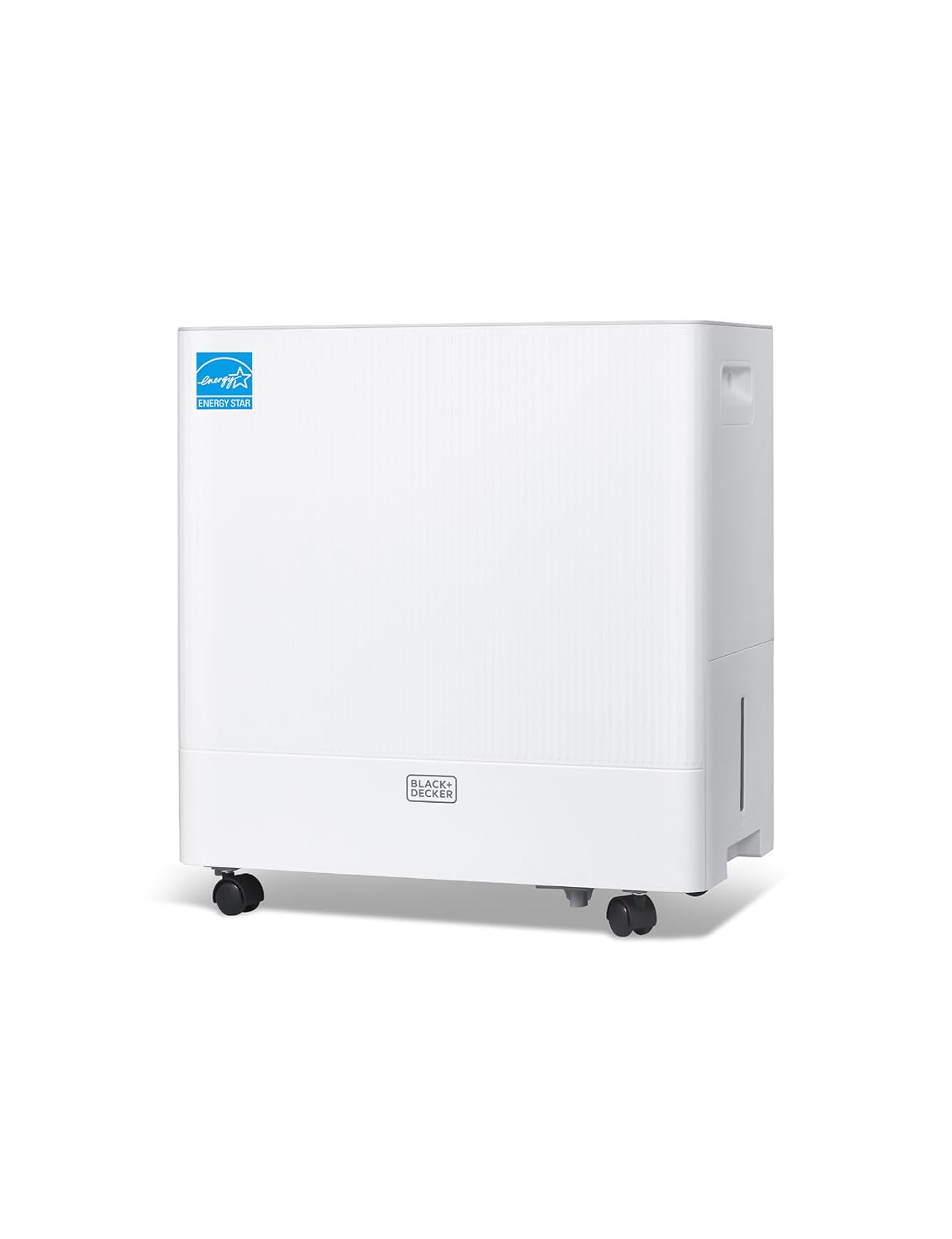 | Value and simplicity | 30 pints/day | Bucket or hose | Simple, practical, approachable | Not ideal for very damp apartments | | |
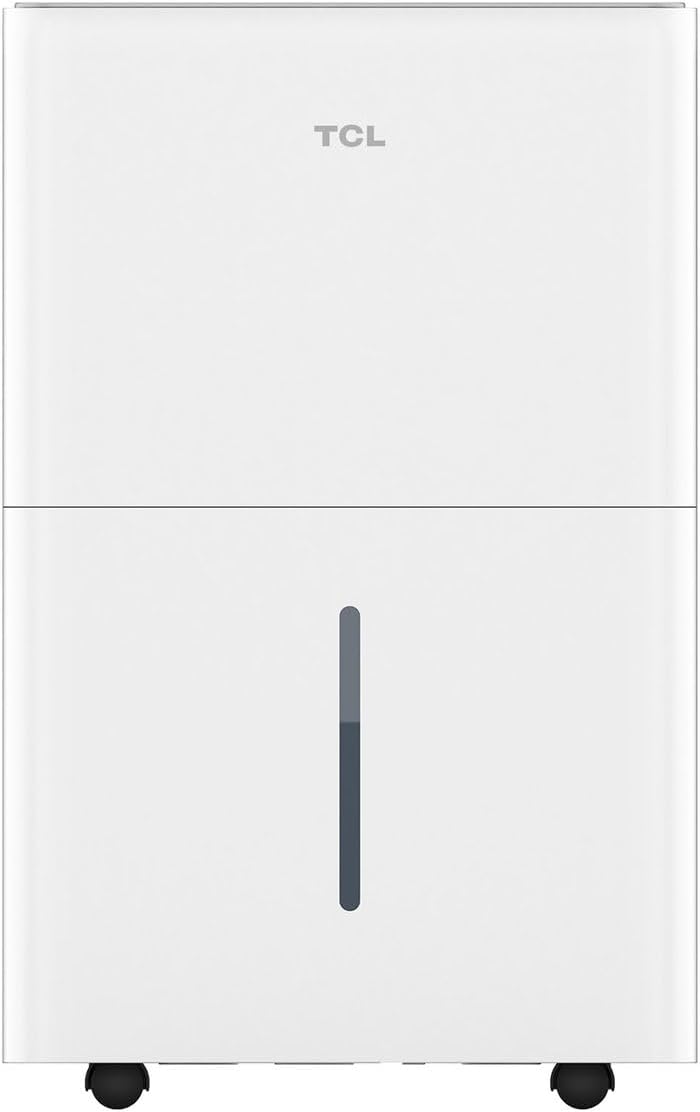 | Budget smart large-space use | 50 pints/day | Bucket, hose, or pump | Strong specs for the price | Large for smaller apartments | | |
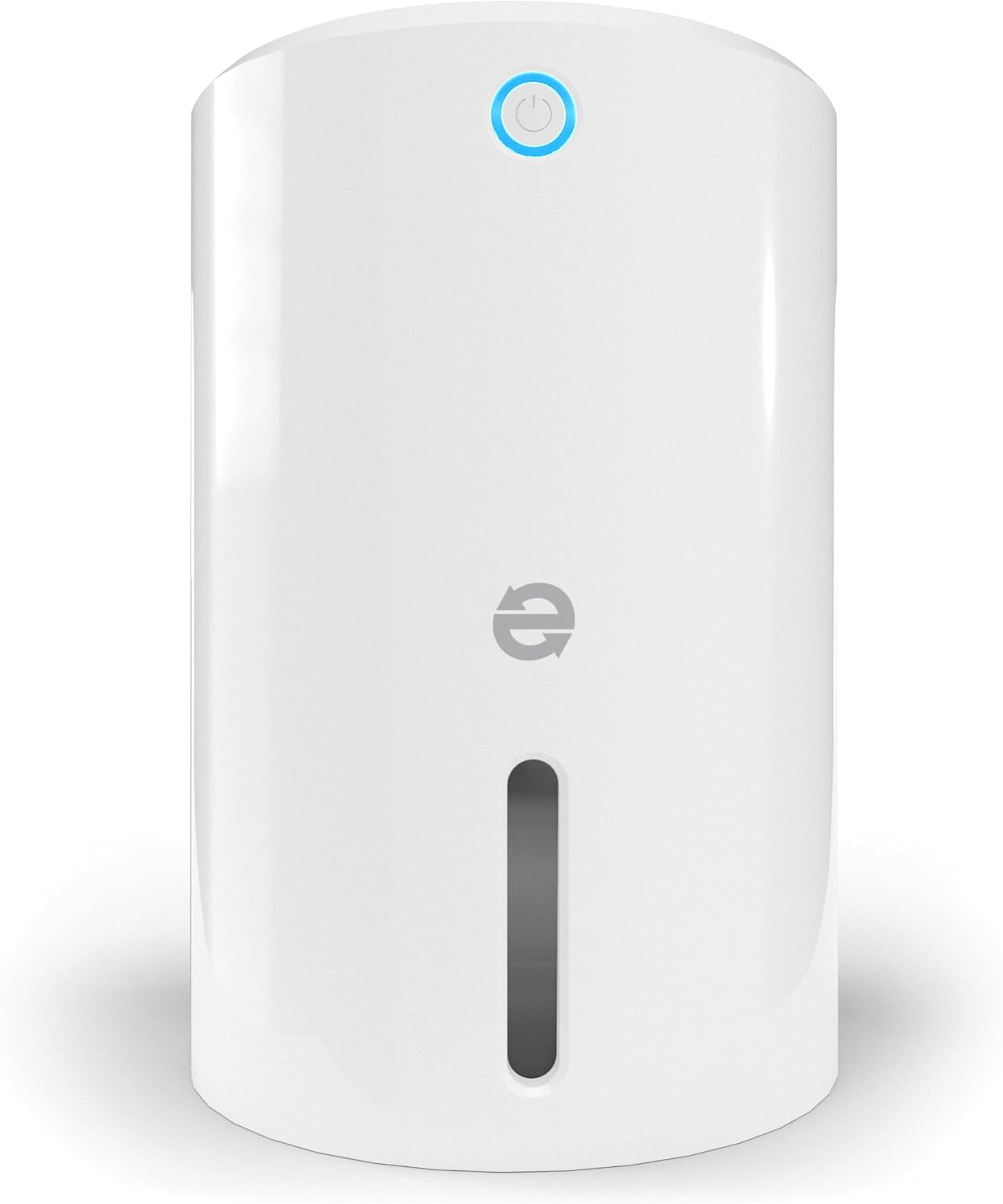 | Closets and cabinets | Mini moisture control | Small removable tank or rechargeable design | Tiny-space convenience | Not for full rooms | |
Why Mold and Musty Smells Happen
A musty smell is usually a warning sign that something in the room is staying too damp.
That “old basement” smell can come from mold, mildew, wet building materials, damp carpet, stored cardboard, dirty HVAC components, condensation, or poor ventilation. It may be strongest in bathrooms, basements, closets, laundry rooms, under sinks, around windows, or in apartments with poor airflow.
The important point is this:
Mold needs moisture.
That is why an air purifier alone is usually the wrong first purchase. It may clean some particles from the air, but it does not change the damp surface where mold is growing. It does not dry drywall. It does not fix condensation. It does not stop a leak. It does not lower humidity.
The CDC says that if you see or smell mold, you should remove it, and you do not need to know the type of mold. If mold is growing in your home, you need to clean up the mold and fix the moisture problem.
That is the core of this comparison.
Air Purifier vs Dehumidifier: What Each One Actually Does
Feature | Air Purifier | Dehumidifier |
|---|---|---|
Main Job | Filters airborne particles | Removes moisture from air |
Helps With Mold Spores in Air | Yes, if sized and filtered properly | Indirectly, by discouraging growth |
Helps With Musty Smell | Sometimes, especially with carbon | Often, if odor is caused by dampness |
Stops Mold Growth | No | Helps prevent growth by lowering humidity |
Fixes Leaks | No | No |
Removes Visible Mold | No | No |
Best For | Mold spores, dust, pollen, pet dander, smoke particles | Damp air, condensation, mildew risk, sticky rooms |
Works Best When | Source is controlled and room is sealed enough for filtration | Room humidity is above target range |
Biggest Limitation | Cannot fix moisture source | Cannot filter airborne allergens like a purifier |
An air purifier is a filtering tool.
A dehumidifier is a moisture-control tool.
For mold and musty smells, moisture control usually comes first.
Air Purifier Features | |||||
|---|---|---|---|---|---|
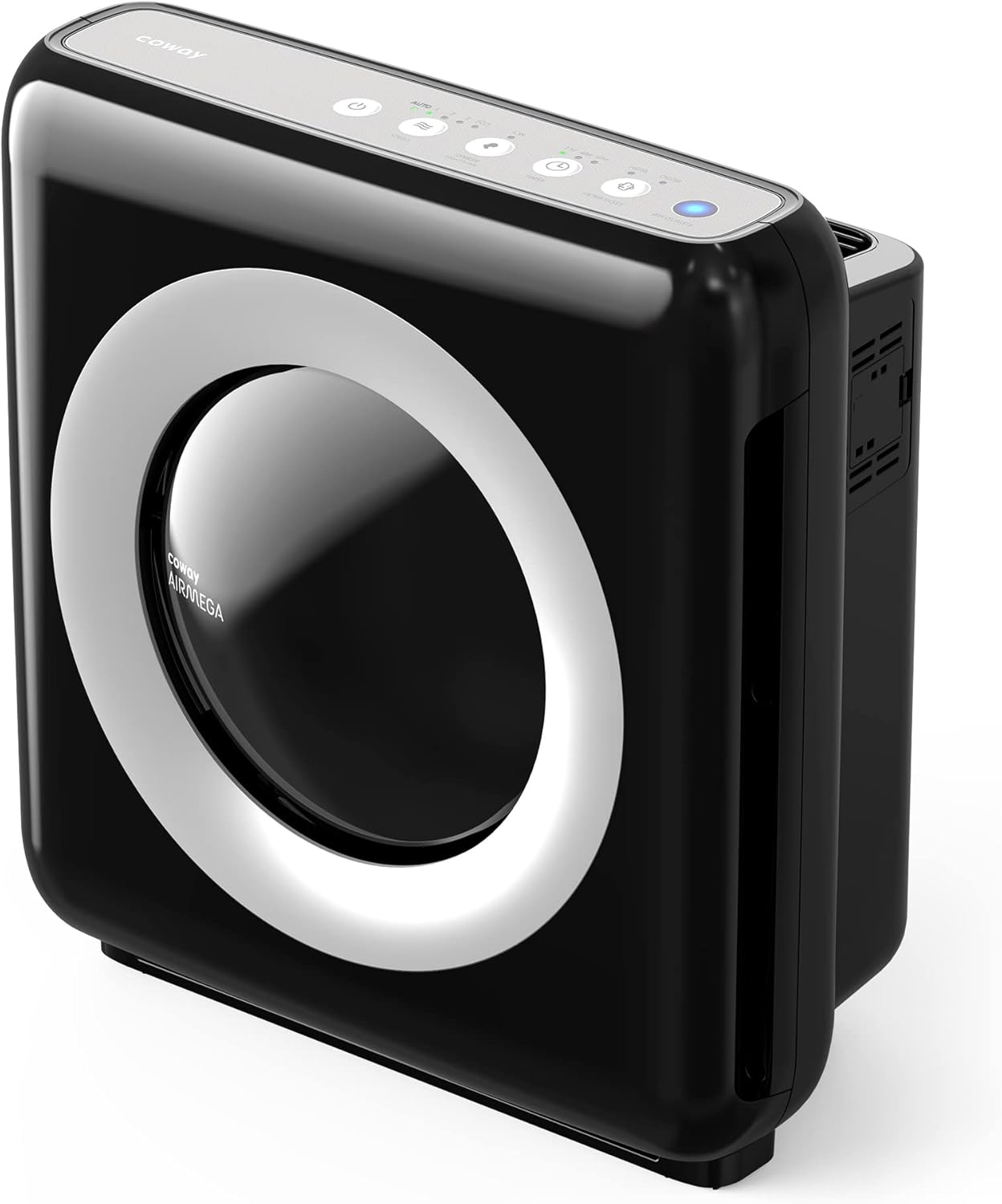 | 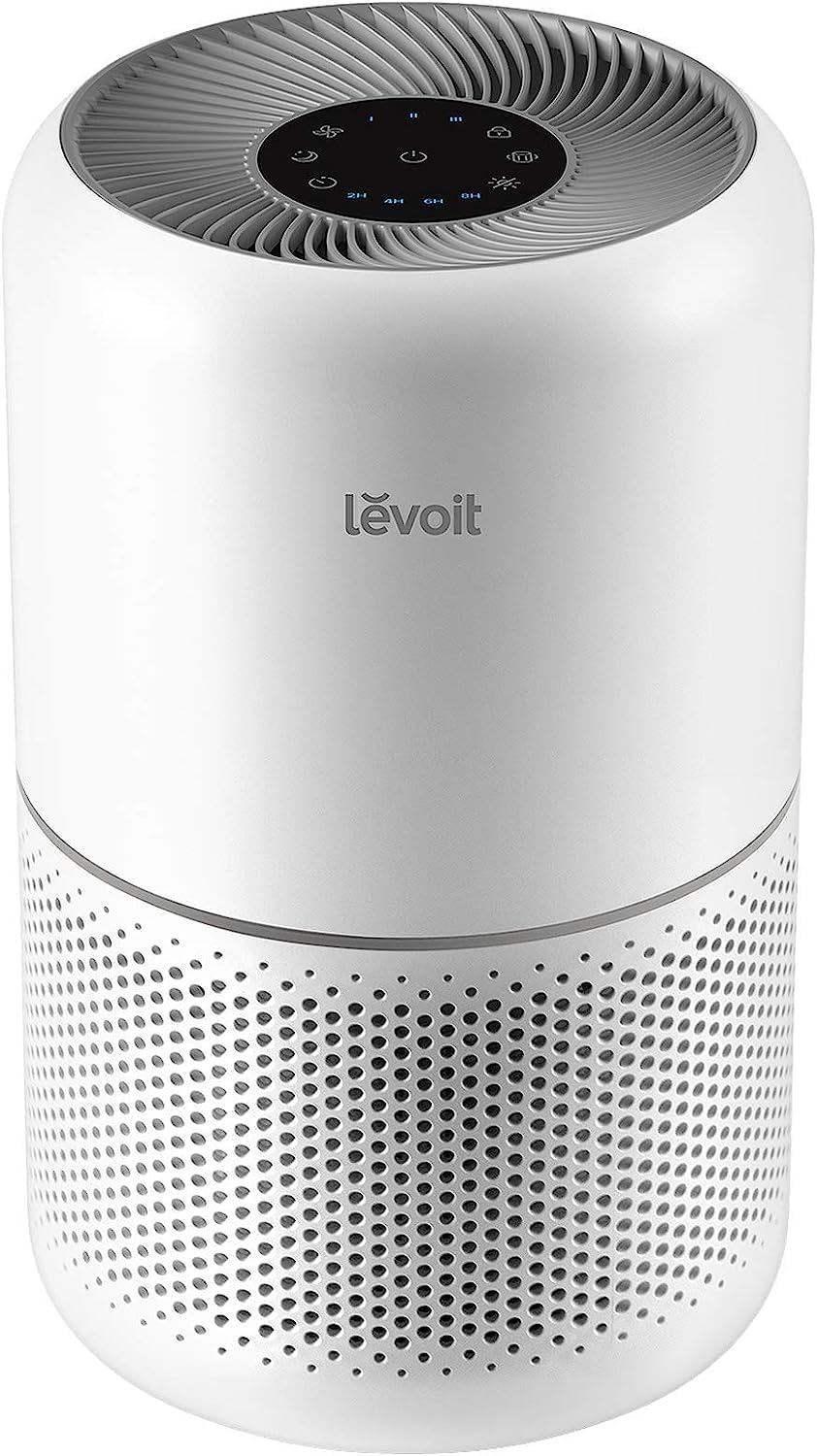 | 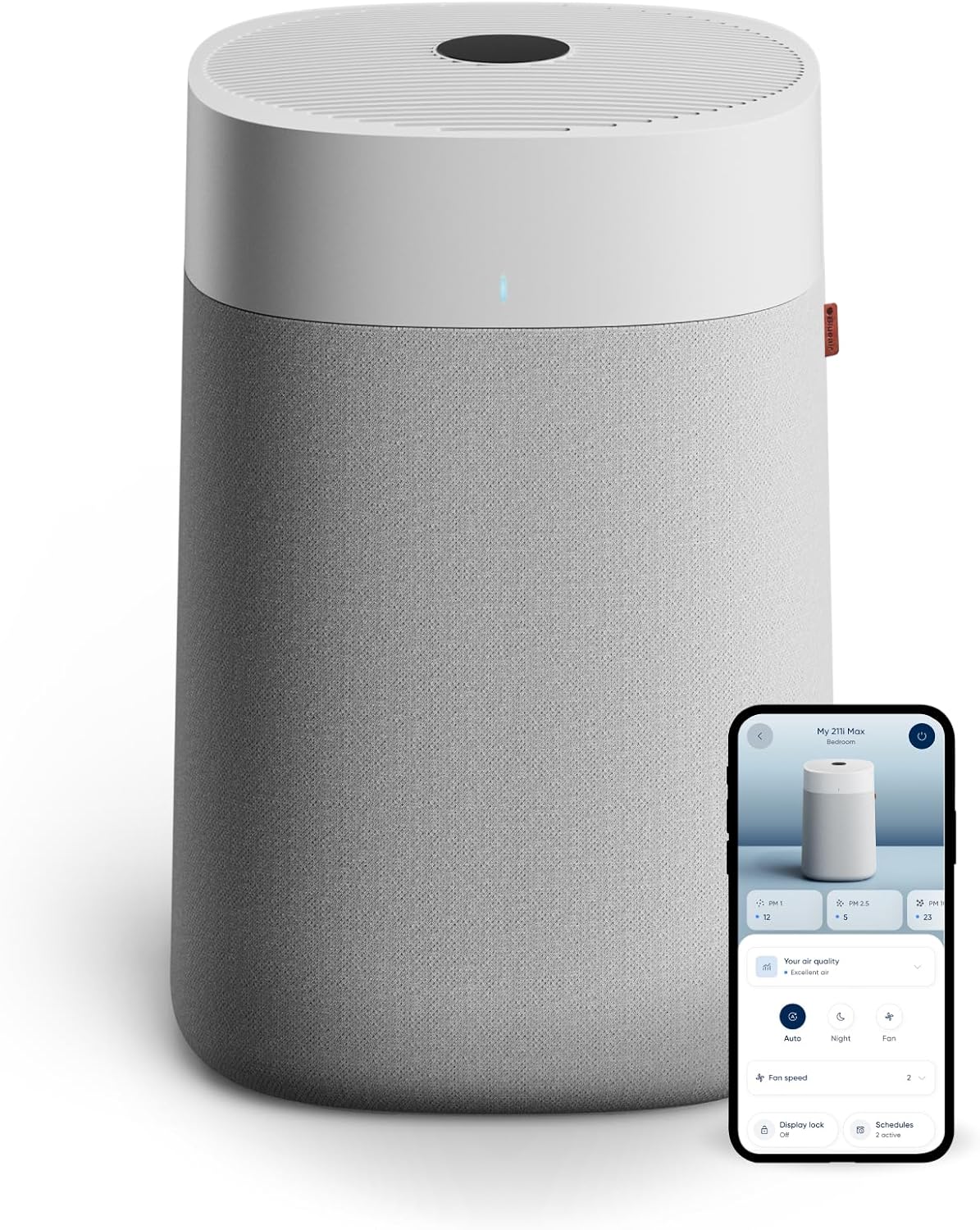 | 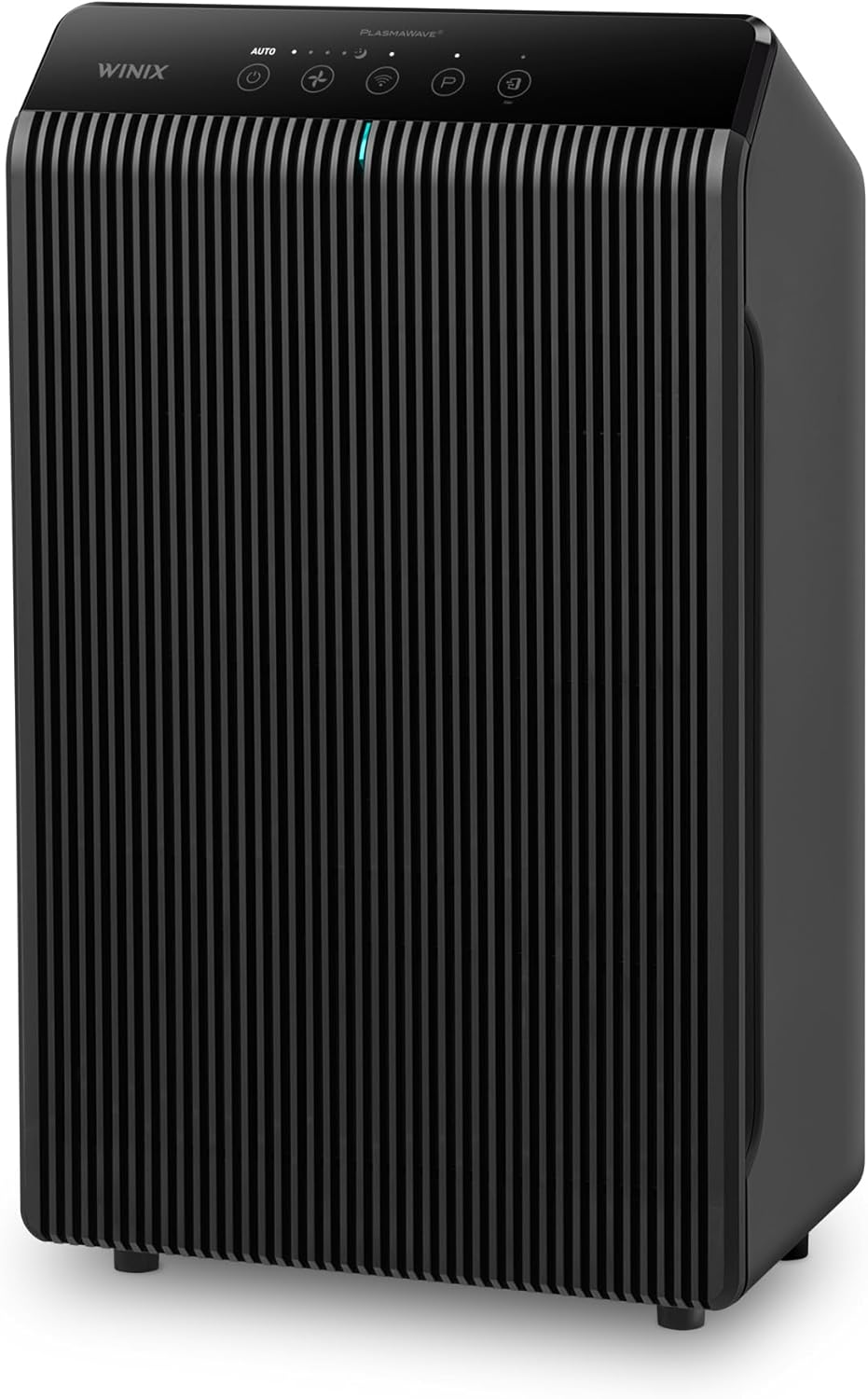 | 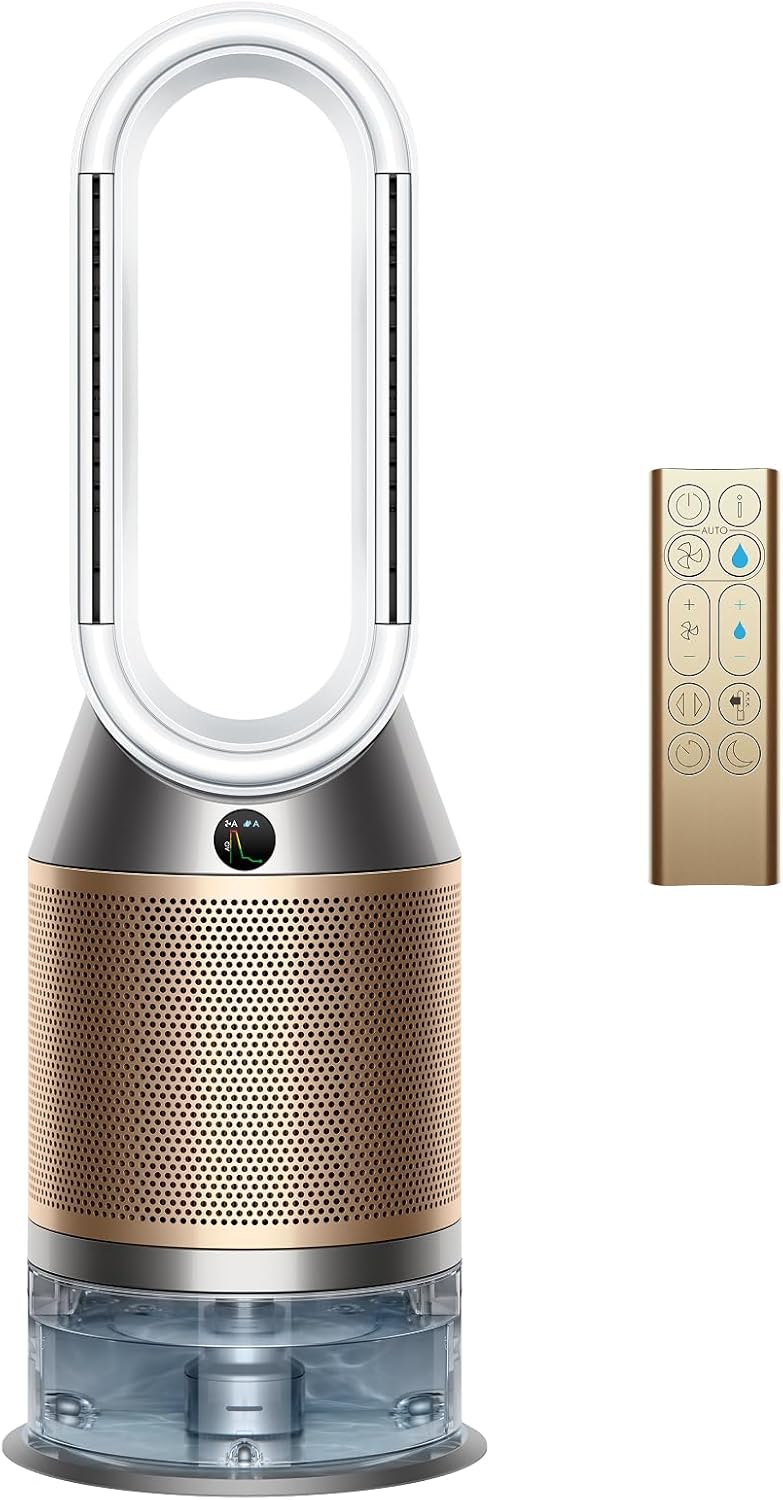 | |
Best for | Most homes (best “all-around”) | Bedroom / small rooms + smart control | Large rooms + open layouts | Pets + odor-leaning homes | Premium: purify + humidify + cooling |
Why it wins | Reliable performance + widely recommended | Strong usability + app/voice convenience | High CADR headroom for big spaces | Pet dander favorite + solid value testing | Multi-function comfort + advanced sensing |
“Real-life” strength | Easy to live with daily | Great “set it and forget it” | Big-room confidence | Smells + fur + everyday dust | One device replaces multiple appliances |
Watch-outs | Not the quietest on max | Not for huge open floor plans | Big footprint | Has ionizer feature (often optional) | Expensive + bigger maintenance routine |
Smart/app | Varies by version; strong basics | Yes (VeSync) | Yes (smart built-in) | Typically basic controls | Yes (MyDyson) |
Credible “why trust it” signal | Common top-pick in major roundups | Named best overall in testing roundup | Reported high CADR + large-room suitability | Stands out for pet dander in testing | Lab-tested favorite among purifier+humidifier combos |
Price | | | | | |
When You Need a Dehumidifier First
Choose a dehumidifier first if the room feels damp, sticky, or musty.
A dehumidifier is the better first choice when you notice:
- Musty smell in a basement, bedroom, bathroom, closet, or apartment
- Condensation on windows, pipes, or walls
- Humidity above 50% to 60%
- Damp carpet, damp furniture, or clammy bedding
- Mildew odor near laundry areas
- Mold returning after cleaning
- Peeling paint or bubbling drywall
- Swollen wood, sticky doors, or soft trim
- Poor bathroom ventilation
- Indoor clothes drying that makes the room humid
The EPA says condensation can be a sign of high humidity, and recommends using air conditioners or dehumidifiers when needed, along with ventilation during showering, cooking, dishwashing, and other moisture-producing activities.
Best humidity target for mold prevention
Indoor Humidity | What It Means |
|---|---|
Below 30% | Often too dry |
30% to 50% | Best general target range |
50% to 60% | Watch zone |
Above 60% | Mold and dust mite risk increases |
Above 70% | Serious dampness problem |
For most homes, a good target is 45% to 50%. That is dry enough to reduce mold risk without making the air feel harsh.
When You Need an Air Purifier First
Choose an air purifier first if the room is not damp but the air feels dusty, smoky, stale, or allergy-heavy.
An air purifier is the better first choice when you notice:
- Sneezing, coughing, or allergy symptoms from airborne particles
- Dust that returns quickly
- Pet dander
- Pollen coming indoors
- Smoke or wildfire particles
- Odors that are not clearly caused by dampness
- Mold was already cleaned, but you want to reduce leftover airborne particles
- You want bedroom air filtration while also controlling humidity separately
The EPA explains that air cleaning can be useful along with source control and ventilation, but air cleaners alone cannot ensure adequate air quality, especially when significant pollutant sources remain.
That matters for mold. An air purifier can help with particles floating in the room, but it should not be treated as a mold-removal machine.
The Most Important Rule: Do Not Use an Air Purifier to “Solve” Mold
This is where a lot of product marketing gets misleading.
A good air purifier with a HEPA-style filter can capture many airborne particles. Some of those particles may include mold spores. But the mold problem itself is not floating around waiting to be filtered. It is usually growing on or inside something damp.
The California Department of Public Health puts it clearly: do not depend on particle-removing filters or air cleaners to solve a mold problem. The moisture problem must be fixed, and moldy materials must be removed or cleaned. It also warns that odor-removing air cleaners will not reduce mold in the air and recommends against ozone-producing “air purifiers.”
So here is the clean rule:
An air purifier can help manage airborne mold particles. It cannot fix mold growth.
Musty Smell Decision Guide
Use this table before buying anything.
What You Notice | Most Likely Issue | Best First Step |
|---|---|---|
Room smells musty after rain | Moisture intrusion or high humidity | Check for leaks, use dehumidifier |
Bathroom smells musty | Poor ventilation or damp surfaces | Use fan, clean surfaces, dehumidify nearby area |
Closet smells musty | Poor airflow and trapped moisture | Remove items, dry space, use dehumidifier or moisture absorber |
Basement smells musty | High humidity or water intrusion | Measure humidity, dehumidify, inspect walls and floor |
Bedroom smells musty only in summer | Humidity, AC issues, damp bedding | Measure humidity, dehumidify, improve airflow |
Musty smell near window | Condensation or leak | Check window seal, dry area, lower humidity |
Musty smell after visible mold cleanup | Airborne particles or lingering dampness | Use both purifier and dehumidifier |
Musty smell with humidity under 50% | Old materials, dust, HVAC, hidden source | Inspect for hidden moisture or contamination |
Visible mold keeps returning | Moisture source not fixed | Fix moisture, clean/remove moldy material |
The biggest mistake is buying an air purifier because the smell is in the air. Musty odor often starts on damp surfaces, not in the air itself.
Best Setup for Mold and Musty Smells
For serious musty smells, the best setup is often not air purifier or dehumidifier.
It is usually:
- Find and fix moisture
- Clean or remove moldy material
- Lower humidity with a dehumidifier
- Improve ventilation
- Use an air purifier for remaining airborne particles
That order matters.
If you run an air purifier before fixing dampness, mold can keep growing. If you run a dehumidifier without cleaning existing mold, the room may still smell musty. If you clean mold without fixing a leak, the mold may come back.
Air Purifier vs Dehumidifier for Common Rooms
Basement
Best first choice: Dehumidifier
Basements are usually moisture problems first. Even if the air smells bad, the cause is often humidity, seepage, condensation, stored cardboard, carpet, or poor airflow.
Use a dehumidifier if basement humidity is above 50% to 60%. Add an air purifier only after the basement is dry and cleaned.
Bathroom
Best first choice: Ventilation and moisture control
A bathroom needs exhaust ventilation first. Use the fan during showers and keep it running afterward. If the bathroom stays damp, a dehumidifier near the bathroom or in the hallway can help.
An air purifier may help with odors, but it will not dry grout, towels, walls, or cabinets.
Bedroom
Best first choice: Depends on humidity reading
If the bedroom humidity is high, use a dehumidifier first. If humidity is normal but symptoms feel allergy-related, use an air purifier.
A bedroom may need both if it has damp air plus dust, pet dander, or pollen.
Apartment
Best first choice: Dehumidifier if humidity is high
Apartments often have poor airflow, limited bathroom ventilation, indoor laundry drying, and windows that collect condensation. A dehumidifier is usually the better first tool for musty smells.
An air purifier is useful if you also deal with cooking particles, pet dander, dust, pollen, or outside pollution.
Closet
Best first choice: Drying and airflow
Closets trap moisture because air does not move well. Remove stored items, check for damp shoes or clothing, avoid storing cardboard, and improve airflow. A mini dehumidifier or moisture absorber can help small closets, but a whole-room air purifier will not fix a damp closet.
Laundry Area
Best first choice: Dehumidifier
Wet laundry adds moisture to the air. If you dry clothes indoors, a dehumidifier is often more useful than an air purifier.
Make sure the clothes dryer vents outdoors if you have one. The CDC recommends making sure dryers vent outside the home to help prevent mold growth.
What Kind of Air Purifier Helps With Mold Spores?
If you are buying an air purifier for mold-related particles, look for:
- True HEPA or high-efficiency particle filtration
- CADR appropriate for the room size
- Strong airflow
- Sealed filter housing
- Replacement filters that are easy to find
- Activated carbon if odor is also a concern
- No ozone generation
Avoid relying on:
- Ozone generators
- Tiny desktop purifiers for large rooms
- “Mold-killing” marketing without real filtration specs
- UV-only devices with weak airflow
- Ionizers marketed as a complete mold solution
The EPA notes that filtration and electrostatic attraction can remove airborne particles, but also warns that ozone generators sold as air cleaners are not always safe or effective and produce ozone, a lung irritant.
What Kind of Dehumidifier Helps With Mold and Musty Smells?
If you are buying a dehumidifier for mold prevention, look for:
- Pint capacity matched to the room
- Built-in humidistat
- Continuous drain option
- Pump if you need to drain upward
- Auto shutoff
- Auto restart
- Washable filter
- Low-temperature operation for basements
- Easy bucket removal
- ENERGY STAR certification when possible
Dehumidifier size guide
Space or Problem | Recommended Dehumidifier Size |
|---|---|
Closet or tiny storage area | Mini moisture absorber or mini dehumidifier |
Small bathroom area | 20- to 30-pint |
Bedroom | 30-pint |
Apartment | 30- to 35-pint |
Large apartment or damp living area | 35- to 50-pint |
Basement | 50-pint |
Laundry area | 35- to 50-pint |
Persistent humidity above 60% | 50-pint, possibly with pump |
A small dehumidifier can help a closet, but it usually will not fix a damp apartment or basement. A 50-pint model is often better for serious humidity, but it may be too loud or warm for a small bedroom.
Should You Use Both an Air Purifier and a Dehumidifier?
Yes, in many mold and musty-smell situations, using both makes sense.
Use both when:
- You have high humidity and allergy symptoms
- You cleaned mold and want to reduce airborne particles
- Your basement smells musty and dusty
- Your apartment has dampness plus pet dander
- Your bedroom has humidity problems and pollen exposure
- You live in a humid area with poor ventilation
- You want prevention plus filtration
But do not start with both if the problem is obvious.
If the humidity is 68%, buy the dehumidifier first.
If the humidity is 42% and the room is dusty, buy the air purifier first.
If there is visible mold, fix the moisture and clean or remove the moldy material first.
The Correct Order for Fixing Mold and Musty Smells
Step 1: Measure humidity
Buy an inexpensive hygrometer. Guessing is not enough.
If humidity is above 50% to 60%, moisture control should be the priority.
Step 2: Find the moisture source
Check:
- Windows
- Walls
- Ceilings
- Pipes
- Under sinks
- Around toilets
- Behind furniture
- HVAC vents
- Closets
- Basement walls
- Laundry area
- Carpet edges
Step 3: Fix leaks or water intrusion
A dehumidifier can help with humidity, but it cannot fix a leak.
The CDC recommends fixing leaks in roofs, walls, and plumbing so mold does not have moisture to grow.
Step 4: Clean or remove moldy material
If you can see mold, an appliance will not remove it for you.
Hard surfaces may be cleaned, but porous materials like soaked carpet, ceiling tiles, or upholstered items may need removal depending on the situation. The CDC recommends removing or replacing carpets and upholstery that were soaked and cannot be dried right away.
Step 5: Lower humidity
Use a dehumidifier to keep the room around 45% to 50% relative humidity.
Step 6: Improve airflow and ventilation
Use bathroom fans, kitchen fans, open doors when appropriate, and avoid trapping damp air in closets or closed rooms.
Step 7: Add air filtration
Once moisture is controlled, use an air purifier to help reduce airborne particles, dust, dander, and possible leftover spores.
Air Purifier vs Dehumidifier: Which One Removes Musty Smell Better?
A dehumidifier usually removes musty smells better when the smell is caused by dampness.
An air purifier may help if the smell is caused by airborne particles or gases, especially if the purifier has activated carbon. But if the odor source is damp drywall, mildew-covered fabric, a wet basement corner, or mold behind furniture, filtration is not enough.
Use this rule:
Smell Type | Better Tool |
|---|---|
Damp basement smell | Dehumidifier |
Mildew towel smell | Wash and dry materials, then dehumidifier |
Moldy closet smell | Dry, clean, improve airflow |
Dusty stale smell | Air purifier |
Smoke smell | Air purifier with strong carbon |
Pet odor | Air purifier plus cleaning |
Musty smell after rain | Dehumidifier plus leak check |
Musty smell from visible mold | Fix moisture and remove mold |
A musty smell is often your home telling you: something is staying wet too long.
Common Myths About Mold, Air Purifiers, and Dehumidifiers
Myth 1: An air purifier kills mold
Most air purifiers do not “kill mold” in a meaningful home-remediation sense. They filter airborne particles. Mold growing on a damp wall, window frame, carpet, or cabinet must be cleaned or removed, and the moisture source must be fixed.
Myth 2: A dehumidifier removes mold spores from the air
A dehumidifier removes moisture, not particles. It helps prevent future growth by making the room less hospitable to mold, but it is not an air filter.
Myth 3: Activated carbon removes mold
Activated carbon can help reduce some odors and gases, but it does not solve mold growth. It can be useful after the mold and moisture problem are addressed.
Myth 4: Ozone air purifiers are a good mold solution
Avoid ozone generators. The EPA describes ozone as a lung irritant, and the California Department of Public Health strongly recommends not using ozone-producing air cleaners for mold control.
Myth 5: If the smell is gone, the mold is gone
Not always. Fragrance, carbon filtration, ventilation, or temporary dryness can reduce odor without removing the underlying problem.
Best Choice by Situation
Situation | Buy This First | Add This Later |
|---|---|---|
Humidity above 60% | Dehumidifier | Air purifier if symptoms or particles remain |
Humidity 30% to 50% with allergy symptoms | Air purifier | Dehumidifier only if humidity rises |
Visible mold | Neither first | Fix moisture, clean/remove mold, then use appliances |
Musty basement | Dehumidifier | Air purifier after drying and cleaning |
Musty bathroom | Ventilation and moisture control | Air purifier only if odors remain |
Moldy closet | Drying, cleaning, airflow | Mini dehumidifier or moisture absorber |
Damp apartment | Dehumidifier | Air purifier for dust, pollen, smoke, or dander |
Post-cleanup air quality | Air purifier | Dehumidifier for prevention |
Condensation on windows | Dehumidifier | Air purifier not primary |
Smoke plus humidity | Both | Air purifier for smoke, dehumidifier for moisture |
Final Verdict: Air Purifier vs Dehumidifier for Mold and Musty Smells
For mold and musty smells, a dehumidifier is usually the better first purchase because it attacks the condition mold needs most: moisture.
An air purifier can still be helpful, but it plays a supporting role. It can reduce some airborne particles, including some mold spores, dust, dander, pollen, and smoke. It can also help after cleanup. But it cannot dry a room, fix a leak, remove visible mold, or stop mold from returning if the humidity stays high.
The best solution is:
Fix moisture first. Clean or remove moldy material. Keep humidity around 30% to 50%. Then use an air purifier if you want cleaner air and fewer airborne particles.
That is the clearest answer in the air purifier vs dehumidifier for mold and musty smells debate.
FAQs
Is an air purifier or dehumidifier better for mold?
A dehumidifier is usually better for preventing mold because mold needs moisture to grow. An air purifier can help reduce some airborne mold spores, but it cannot fix the damp conditions that allow mold to grow.
Will an air purifier remove musty smells?
An air purifier may reduce some musty odors, especially if it has activated carbon, but it will not fix the source if the smell comes from damp materials, mildew, or mold growth. For musty smells caused by humidity, a dehumidifier is usually more important.
Will a dehumidifier get rid of mold smell?
A dehumidifier can help reduce mold smell if the odor is caused by high humidity or dampness. However, it will not remove existing mold. If mold is visible or materials are contaminated, the mold must be cleaned or removed and the moisture source must be fixed.
Can I use an air purifier and dehumidifier in the same room?
Yes. You can use both in the same room. The dehumidifier controls moisture, while the air purifier filters airborne particles. This combination works well for damp rooms where people also deal with allergies, dust, pet dander, or leftover particles after mold cleanup.
What humidity level prevents mold?
A good target is 30% to 50% relative humidity. The EPA recommends keeping indoor humidity below 60%, ideally between 30% and 50%, while the CDC recommends keeping home humidity no higher than 50% all day long.
Do air purifiers capture mold spores?
Air purifiers with strong particle filters can capture some airborne mold spores, but they cannot capture mold growing on surfaces. They also cannot fix moisture. For mold problems, filtration should be used with source control, moisture control, cleaning, and ventilation.
Do dehumidifiers kill mold spores?
No. Dehumidifiers do not kill mold spores. They reduce humidity, which makes it harder for mold to grow. Existing mold still needs to be cleaned or removed safely.
What is better for a musty basement: air purifier or dehumidifier?
A dehumidifier is usually better for a musty basement because basements often smell musty due to excess humidity, condensation, or water intrusion. Add an air purifier after drying and cleaning if the air still feels dusty or irritating.
Can a musty smell mean hidden mold?
Yes, a persistent musty smell can mean hidden moisture or mold, especially near walls, windows, bathrooms, basements, cabinets, or carpets. If the smell keeps returning after cleaning and dehumidifying, inspect for leaks, condensation, or hidden damp materials.
Should I use an ozone machine for mold smell?
No. Ozone-generating air cleaners are not a safe or reliable mold solution. The EPA identifies ozone as a lung irritant, and public health guidance warns against using ozone-producing air cleaners for mold control.
Other Interesting Articles
- Best Air Purifier for Home: Top 5 Picks That Actually Make a Difference
- PuroAir 240 vs Shark Air Purifier: Which One Should You Buy?
- PuroAir 240 vs Sans Air Purifier: Which One Should You Buy?
- PuroAir 240 vs Levoit 300: Which Air Purifier Is the Better Buy?
- PuroAir 240 vs PuroAir 400: Which One Actually Fits Your Home?
Author Box
HappyHomeNerd helps readers choose practical home comfort products without overbuying. Our guides focus on what matters in real homes: humidity, room size, air quality, filtration, drainage, noise, cleaning, ventilation, energy use, and everyday comfort.
Final verdict: Choose a dehumidifier first for dampness, musty smells, condensation, and mold prevention. Choose an air purifier for airborne particles after the moisture problem is controlled.