I'm a participant in the Amazon Services LLC Associates Program, an affiliate advertising program designed to provide a means for me to earn fees by linking to Amazon.com and affiliated sites.
If you need an air purifier for baby’s room, the safest “worth-it” air purifier is simple: a mechanical filter unit (think true HEPA / high-efficiency particle filtration) that’s properly sized by CADR, placed where airflow isn’t blocked, and run on a quiet baseline most of the day. Avoid anything that intentionally produces ozone or leans on “gimmick tech” as the main feature.
Also: no purifier replaces the basics—source control and ventilation still matter most for kids’ indoor air.
Our Recommended Picks
Feature | |||||
|---|---|---|---|---|---|
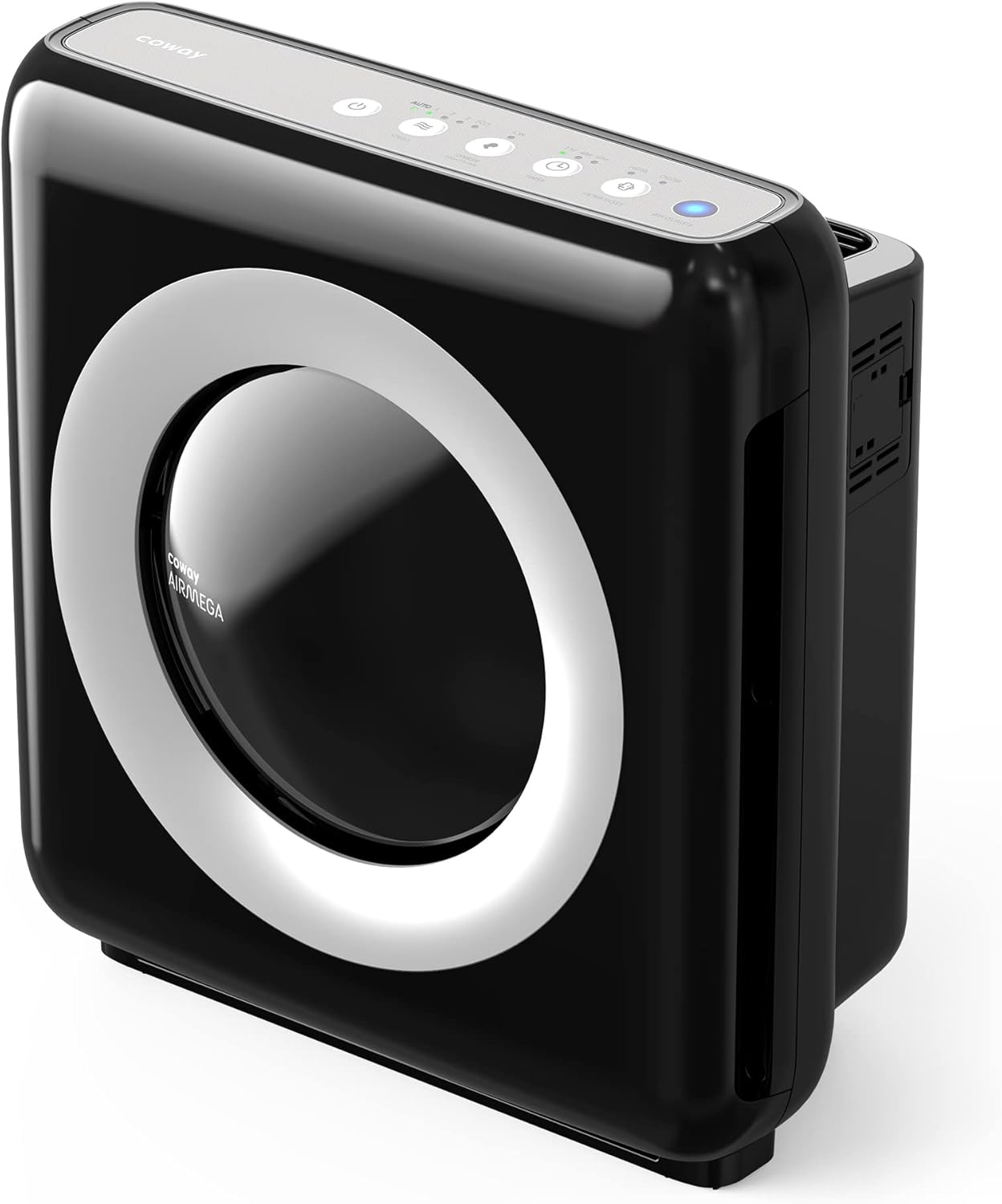 | 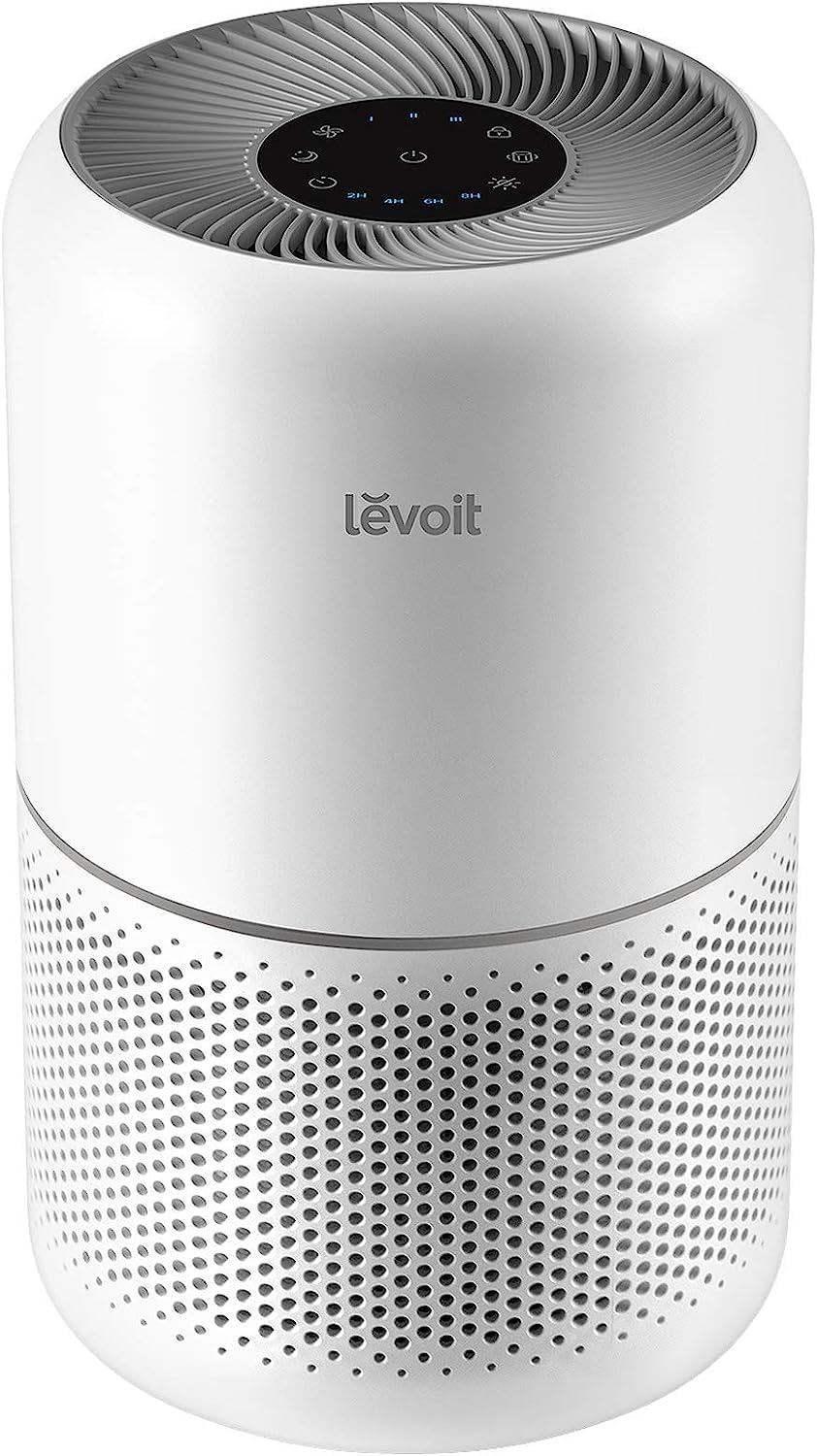 | 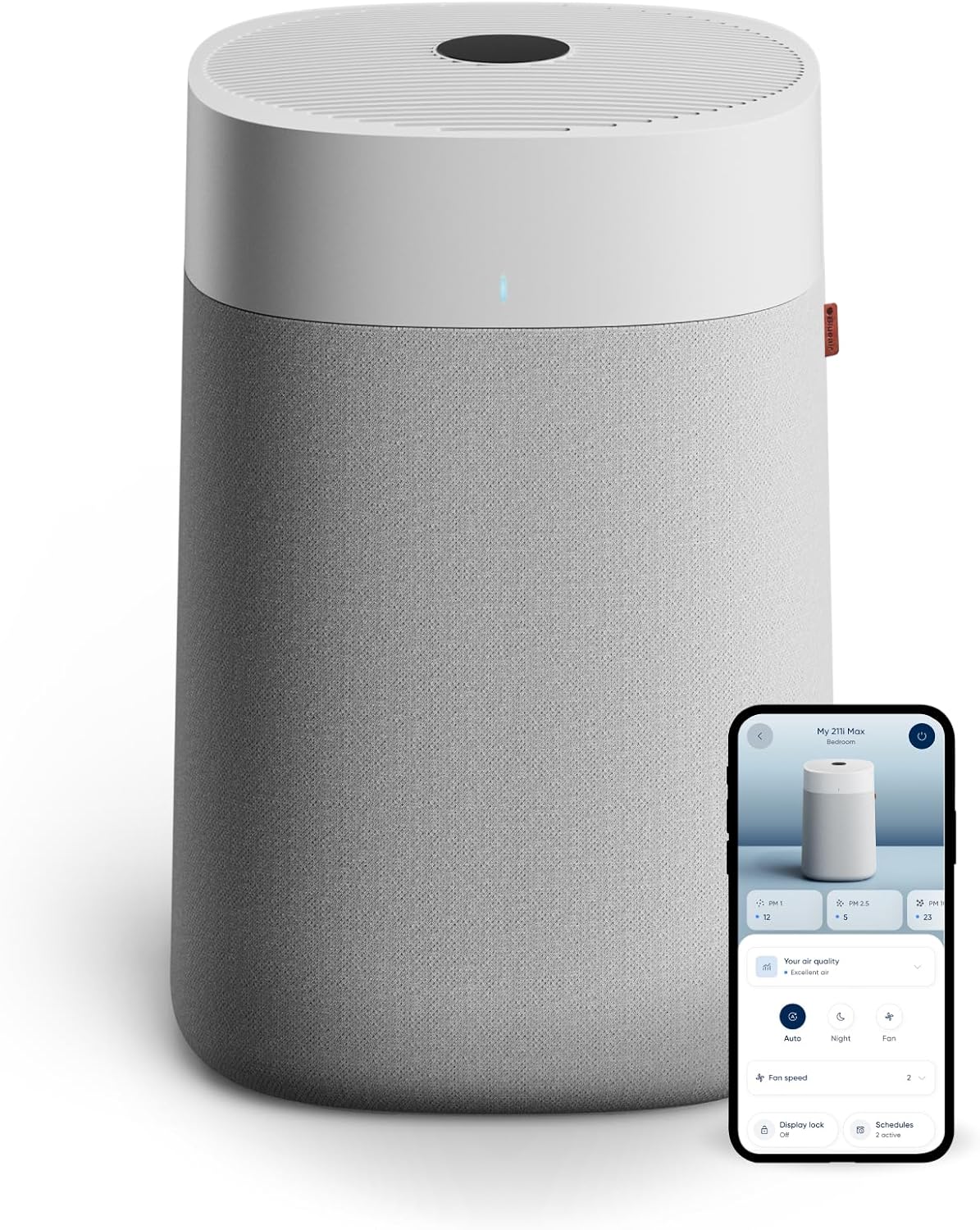 |  | 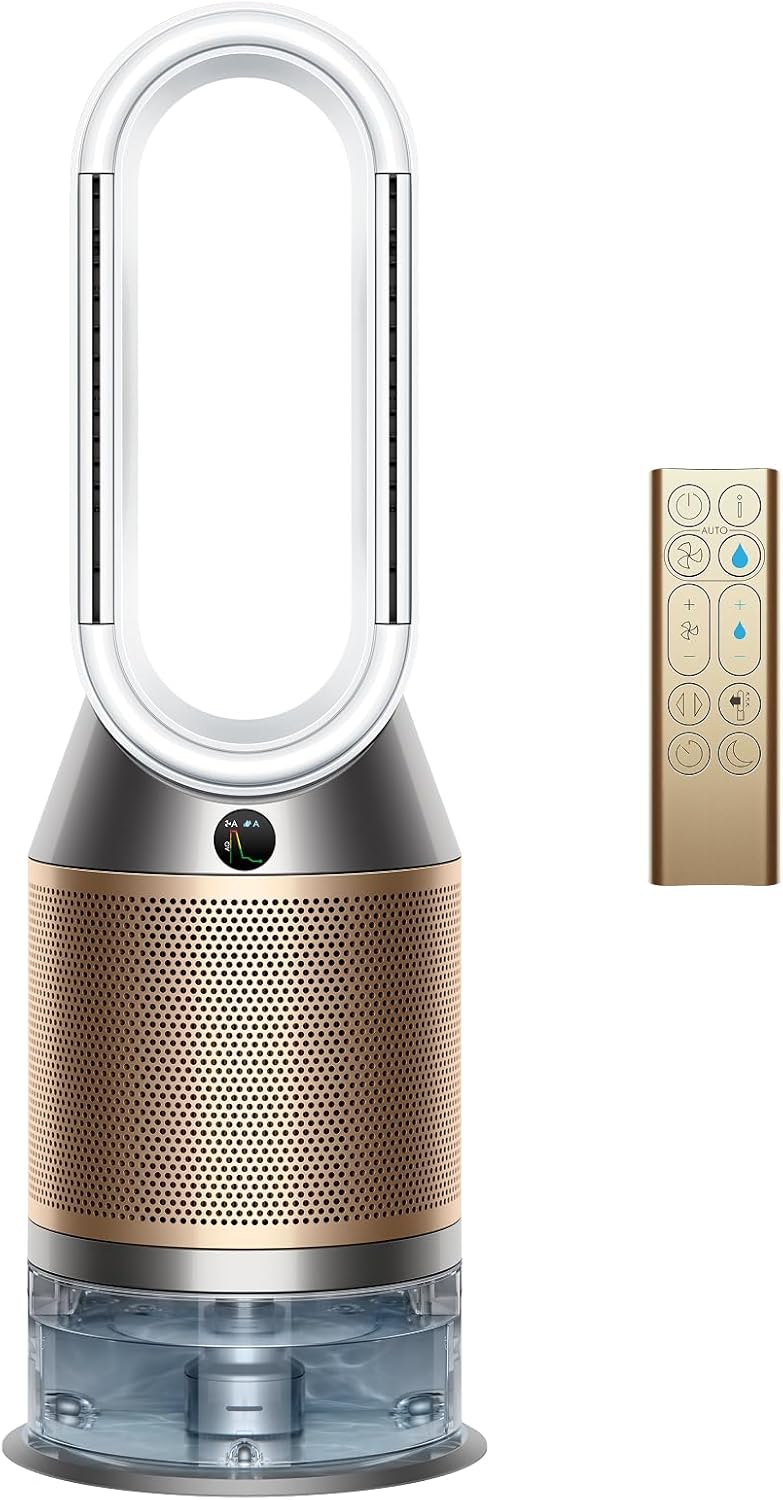 | |
Best for | Most homes (best “all-around”) | Bedroom / small rooms + smart control | Large rooms + open layouts | Pets + odor-leaning homes | Premium: purify + humidify + cooling |
Why it wins | Reliable performance + widely recommended | Strong usability + app/voice convenience | High CADR headroom for big spaces | Pet dander favorite + solid value testing | Multi-function comfort + advanced sensing |
“Real-life” strength | Easy to live with daily | Great “set it and forget it” | Big-room confidence | Smells + fur + everyday dust | One device replaces multiple appliances |
Watch-outs | Not the quietest on max | Not for huge open floor plans | Big footprint | Has ionizer feature (often optional) | Expensive + bigger maintenance routine |
Smart/app | Varies by version; strong basics | Yes (VeSync) | Yes (smart built-in) | Typically basic controls | Yes (MyDyson) |
Credible “why trust it” signal | Common top-pick in major roundups | Named best overall in testing roundup | Reported high CADR + large-room suitability | Stands out for pet dander in testing | Lab-tested favorite among purifier+humidifier combos |
Price |  | | | | |
What top baby-room articles usually miss
Most posts either get overly medical or overly salesy. The common misses:
- They don’t teach how to size by CADR (so parents under-buy and run it on “sleep mode” forever).
- They warn about “chemicals” but skip the big avoid: ozone-generating purifiers.
- They ignore noise exposure and placement safety in a nursery. (Babies’ rooms should be quiet; volume and distance matter.)
This guide is built around the practical stuff that actually changes results.
What a nursery air purifier can (and can’t) do
What it can help with
A well-sized particle purifier can reduce airborne particles like:
- Dust and some allergens
- Pet dander
- Smoke particles (PM2.5) during smoke events
- Some airborne mold spores (but it won’t solve the moisture problem)
Portable air cleaners are commonly used to reduce particle levels indoors, and CADR is the key performance spec for how quickly they deliver filtered air.
What it can’t do
- It won’t eliminate all indoor pollutants.
- It won’t “fix” ongoing sources (smoking, heavy fragrances, damp/moldy materials).
Quick Picks for Best Air Purifier
- Best overall for most homes: Coway Airmega AP-1512HH Mighty
- Best smart-value for bedrooms/small living areas: Levoit Core 300S
- Best for large rooms + open layouts: Blueair Blue Pure 211i Max
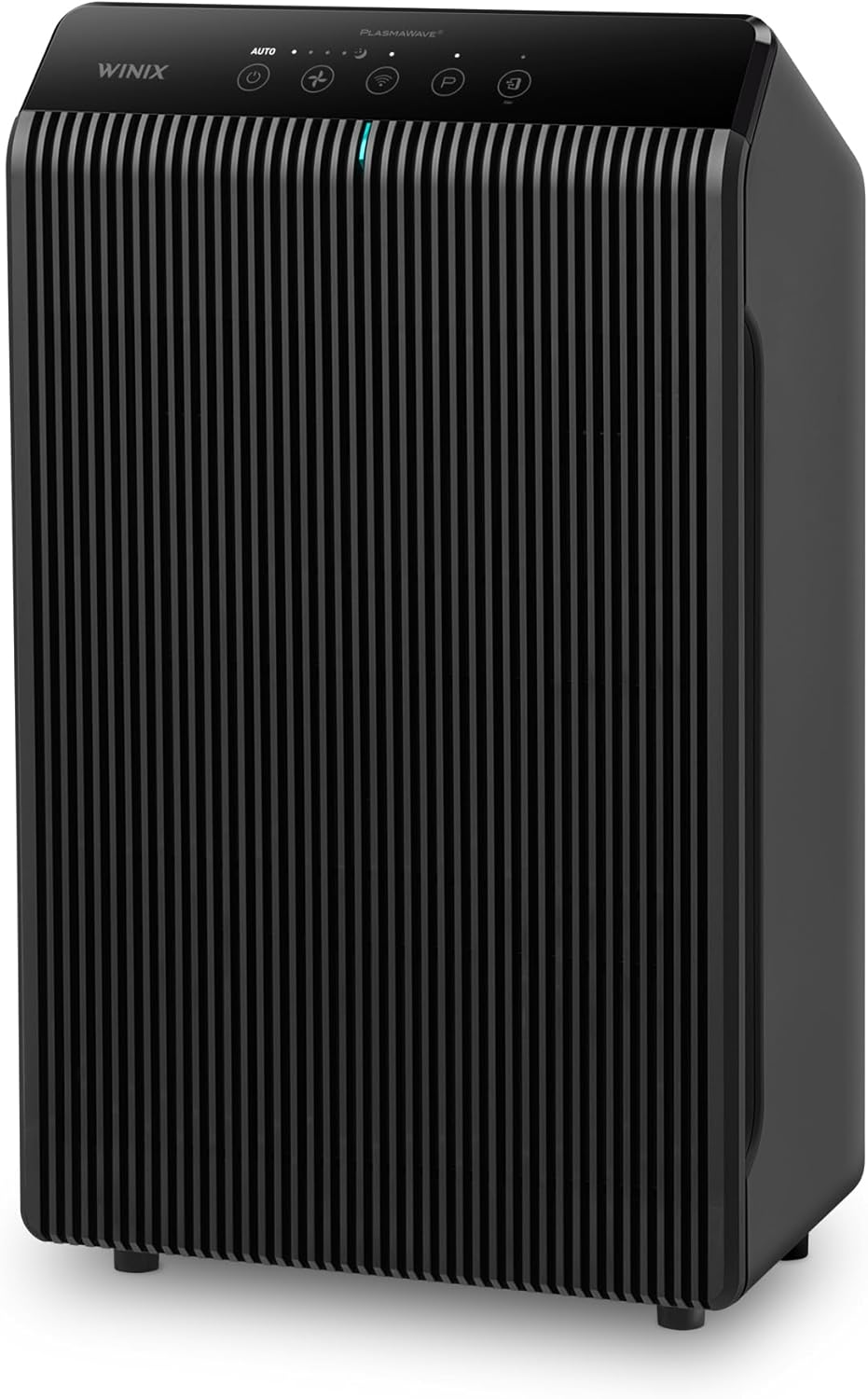
- Best for pets (dander + lingering smells) on a sane budget: Winix 5500-2
- Best premium “air-care system” (purify + humidify + cool): Dyson Purifier Humidify+Cool PH2 De-NOx
What to look for (the nursery-safe checklist)
1) Mechanical particle filtration (the “boring” kind is best)
Look for a purifier whose core job is trapping particles (often described as HEPA or high-efficiency particle filtration). EPA notes most air cleaners are designed to filter either particles or gases, and many are primarily particle-focused.
2) CADR that matches the room (this decides whether it works)
CADR tells you how quickly the purifier delivers cleaned air. Higher CADR = faster cleaning and larger effective coverage.
Easy sizing rule (the one parents can actually use):
Smoke CADR ≥ 2/3 of the room’s square footage.
Nursery CADR targets
Baby’s room size | Minimum Smoke CADR (2/3 rule) | “Quiet headroom” target (easier to run softly) |
|---|---|---|
80 sq ft | 55 | 80 |
100 sq ft | 67 | 100 |
120 sq ft | 80 | 120 |
150 sq ft | 100 | 150 |
200 sq ft | 133 | 200 |
Why “quiet headroom” matters: many people run purifiers on lower speeds to keep noise down, but performance is tied to airflow and runtime.
3) Low noise at the setting you’ll actually use
A purifier that’s “quiet on low” doesn’t help if low is too weak for the room.
For baby rooms, quieter is better—AAP publications on infant/child noise exposure discuss keeping environments low-noise, and research on infant sleep machines has used 50 dBA as a maximum recommended exposure level averaged over time.
Practical rule: choose a unit that can run at a steady, quiet baseline in the nursery without you wanting to shut it off.
Our Recommended Picks
Feature | |||||
|---|---|---|---|---|---|
| | | | | |
Best for | Most homes (best “all-around”) | Bedroom / small rooms + smart control | Large rooms + open layouts | Pets + odor-leaning homes | Premium: purify + humidify + cooling |
Why it wins | Reliable performance + widely recommended | Strong usability + app/voice convenience | High CADR headroom for big spaces | Pet dander favorite + solid value testing | Multi-function comfort + advanced sensing |
“Real-life” strength | Easy to live with daily | Great “set it and forget it” | Big-room confidence | Smells + fur + everyday dust | One device replaces multiple appliances |
Watch-outs | Not the quietest on max | Not for huge open floor plans | Big footprint | Has ionizer feature (often optional) | Expensive + bigger maintenance routine |
Smart/app | Varies by version; strong basics | Yes (VeSync) | Yes (smart built-in) | Typically basic controls | Yes (MyDyson) |
Credible “why trust it” signal | Common top-pick in major roundups | Named best overall in testing roundup | Reported high CADR + large-room suitability | Stands out for pet dander in testing | Lab-tested favorite among purifier+humidifier combos |
Price | | | | | |
4) Simple controls + easy filter changes
You want:
- A set-and-forget baseline
- A “boost” mode for post-vacuum / smoke days
- Filters you can replace on schedule
EPA emphasizes maintenance and that no device works well if filters aren’t maintained.
What to avoid (nursery red flags)
1) Ozone generators (hard no)
California Air Resources Board is crystal clear: never use an air cleaner that deliberately produces ozone (“ozone generator”). Ozone doesn’t clean indoor air and can be harmful.
If a product leans on phrases like “activated oxygen,” “ozone,” “ionic ozone,” or “smoke smell eliminator via ozone” — skip.
2) “Gimmick first” purifiers
Some devices emphasize UV/ionization/other add-ons. NYC Health warns that:
- Many air cleaners remove only particles and may not remove gases/odors
- Some air cleaners can release ozone (don’t use)
- UV in air cleaners doesn’t effectively help remove smoke
For a nursery, the safest bet is still: mechanical filtration + proper sizing.
3) Fragrance-based “air freshening”
Babies don’t need added scents. If the goal is “smells,” focus on source removal and ventilation first. AAP’s indoor air guidance emphasizes source control over trying to clean the air after the fact.
Placement in a baby’s room (works better + safer)
The best spot
- Place it across the room from the crib, where airflow is open (not behind curtains or furniture).
- Keep intake and outlet unblocked so it can actually circulate air.
Nursery safety basics
- Keep cords secured and out of reach.
- Don’t place it where it can be tipped or climbed.
- Don’t aim strong airflow directly at baby’s face.
Noise-distance matters too—AAP-linked guidance around infant sleep sound exposure emphasizes distance and keeping levels reasonable. Use the same common-sense principle with any device that hums in a nursery.
Best settings (what parents should actually do)
The winning routine: “baseline + short boosts”
Baseline: run continuously on a quiet, steady speed.
Boost: run high for 30–60 minutes after:
- Vacuuming/dusting
- Diaper pail / trash change
- Heavy outdoor pollen days (if windows were opened)
- Smoke events (if you’re doing a “clean room” approach)
EPA clean-room guidance during wildfire smoke supports using a portable air cleaner in a closed room to keep particle levels lower.
Nighttime use
If the purifier is in the nursery overnight:
- Prioritize quiet baseline
- If needed, do a pre-bed boost and then drop to the lowest effective speed
Special situations (the honest answers)
“Will a purifier protect my baby from secondhand smoke?”
It may reduce particles, but it does not eliminate secondhand smoke exposure indoors. EPA notes ventilation/filtration/air cleaning can reduce secondhand smoke but do not eliminate it.
If smoke is coming from another unit (apartment living), a purifier is still helpful as part of a layered plan, but sealing entry points and working with building management may be necessary.
“We’re dealing with wildfire smoke”
Make one room the “clean room,” keep windows/doors closed, and run the purifier continuously in that room.
“The room smells musty”
A purifier can help particles, but musty odor often points to moisture. Fix the moisture source first—AAP indoor air guidance emphasizes source control as the most effective strategy.
Nursery Purifier Best Features
Feature | Good for baby’s room? | Why |
|---|---|---|
True HEPA / high-efficiency particle filtration | Yes | Strong particle removal (dust, dander, smoke particles) |
CADR clearly listed | Yes | Lets you size correctly; higher CADR = faster cleaning |
Ozone generator | No | Not recommended; harmful and ineffective at cleaning indoor air |
“Ionizer” with ozone risk | Avoid | Some devices can release ozone; not for nurseries |
Strong fragrance/“scent” features | Avoid | Adds unnecessary irritants; source control is preferred |
Quiet operation at useful speed | Yes | Nursery should stay low-noise; avoid forcing you to shut it off |
FAQs: Air Purifier for Baby’s Room
Do babies need an air purifier in their room?
Not always. But it can be helpful if your home has triggers like smoke particles, pets, dust, or seasonal allergens. It should be part of a bigger plan that prioritizes source control and ventilation.
What size air purifier do I need for a nursery?
Use CADR. A solid minimum rule is Smoke CADR ≥ 2/3 of the room’s square footage (example: 120 sq ft room → CADR ≥ 80).
Where should I place an air purifier in a baby’s room?
Across the room from the crib with unblocked airflow. Keep it stable, cords secured, and don’t aim strong airflow directly at baby.
Are ozone air purifiers safe for babies?
No. CARB recommends never using ozone-generating air cleaners; ozone is harmful and doesn’t clean indoor air.
Should I run the air purifier all night in the nursery?
If it’s quiet enough and properly sized, continuous low/auto can keep particle levels steadier. If noise is an issue, do a pre-bed boost and then run the lowest effective setting.
Will an air purifier remove odors or VOCs in a baby’s room?
Some units include gas/odor filters, but gas control is pollutant-specific and no air cleaner removes all pollutants. For nursery air, source control (fragrance-free choices, ventilation) is still the foundation.
Bottom line
For a baby’s room, choose safe, boring, proven:
- Mechanical filtration
- Right-sized CADR
- Quiet baseline + short boosts
- No ozone
That’s how you get real benefits without introducing new risks.
Other Interesting Articles
- Best Air Purifier for Home (2026): Top 5 Picks That Actually Make a Difference
- PuroAir 240 vs Shark Air Purifier: Which One Should You Buy?
- PuroAir 240 vs Sans Air Purifier: Which One Should You Buy?
- PuroAir 240 vs Levoit 300: Which Air Purifier Is the Better Buy?
- PuroAir 240 vs PuroAir 400: Which One Actually Fits Your Home?
Author
HappyHomeNerd: We review home comfort gear the way real people use it: in lived-in rooms, with real sleep schedules, real pets, and real tolerance for noise.