I'm a participant in the Amazon Services LLC Associates Program, an affiliate advertising program designed to provide a means for me to earn fees by linking to Amazon.com and affiliated sites.
An air purifier can reduce airborne mold spores and particles, which may help symptoms and reduce how “stuffy” a room feels. Let’s cover what air purifiers can and can’t fix. They cannot fix the mold problem—because mold is a moisture problem first. If you don’t find and stop the water source, the musty smell comes right back.
If you remember one line: dehumidify + repair + remove/clean moldy materials, then use a purifier as backup—not the main plan.
Our Recommended Picks
Feature | |||||
|---|---|---|---|---|---|
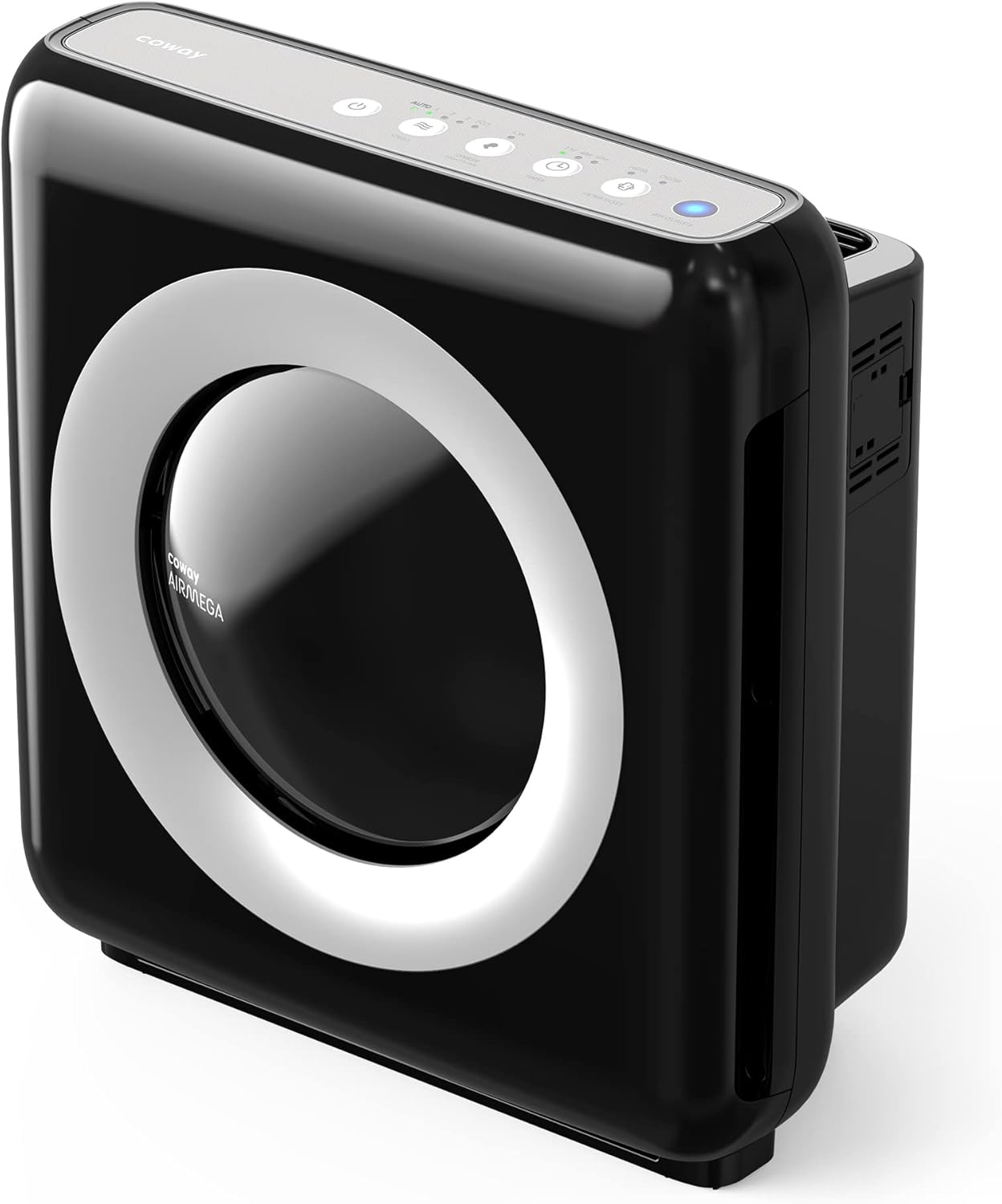 | 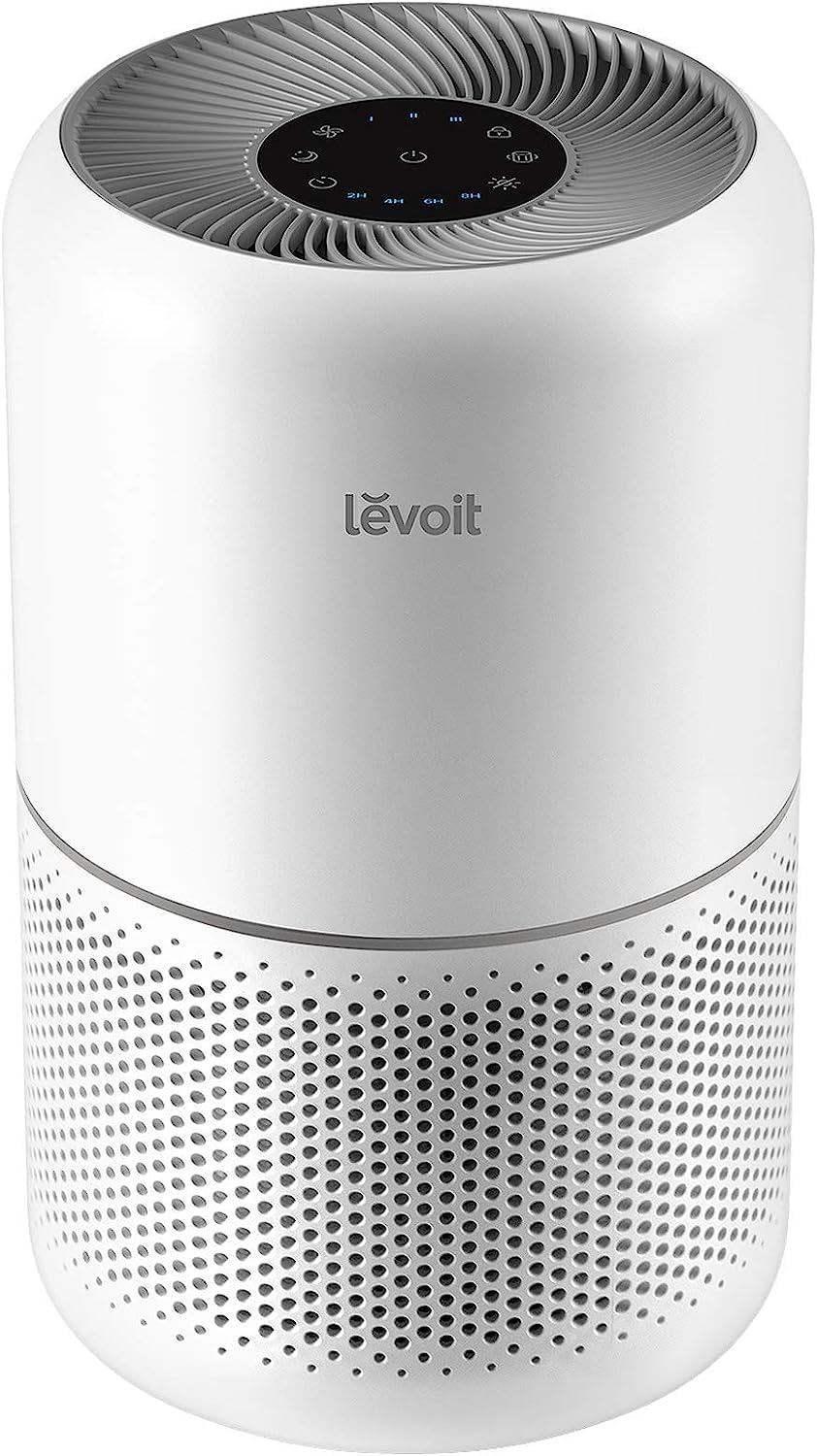 | 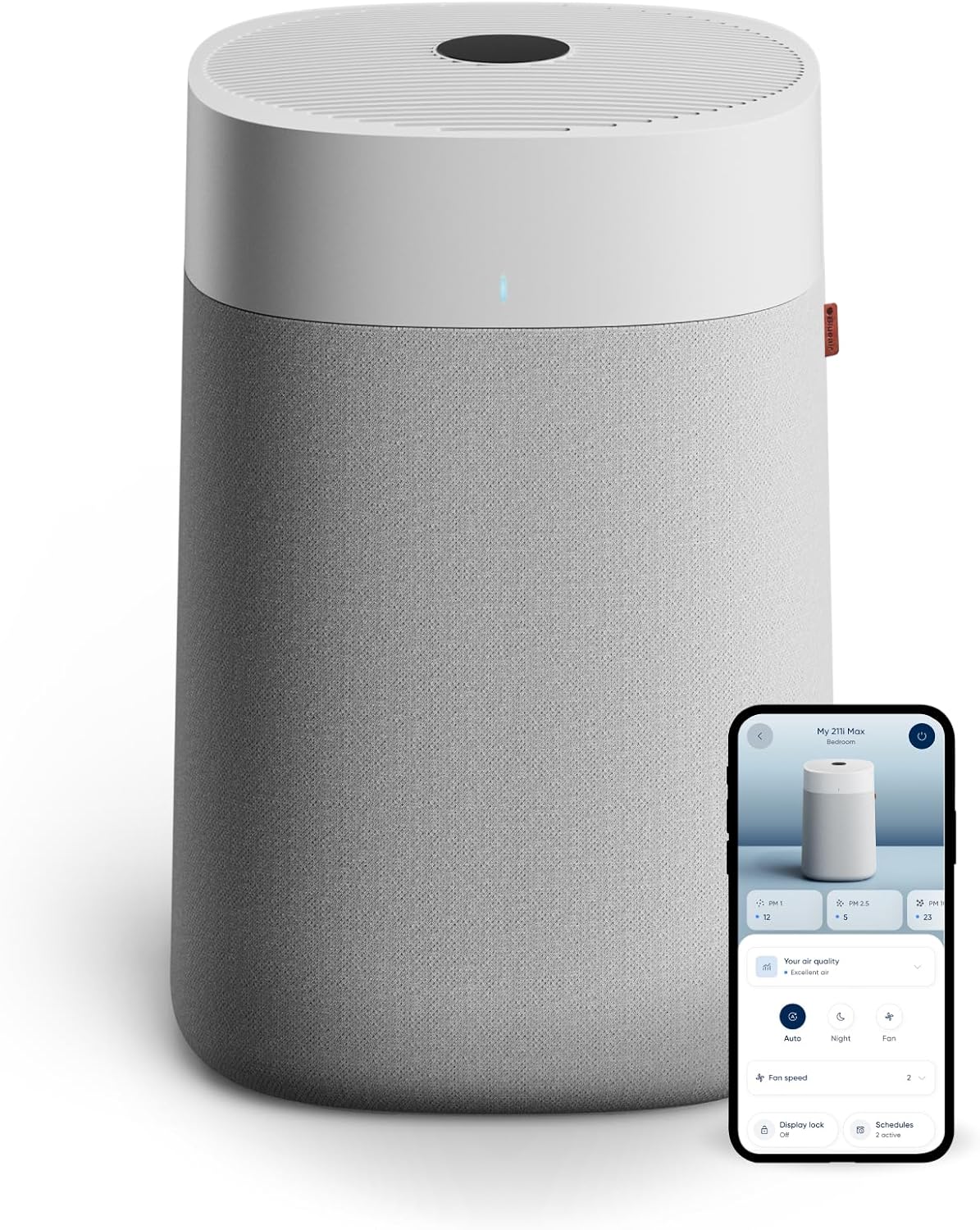 | 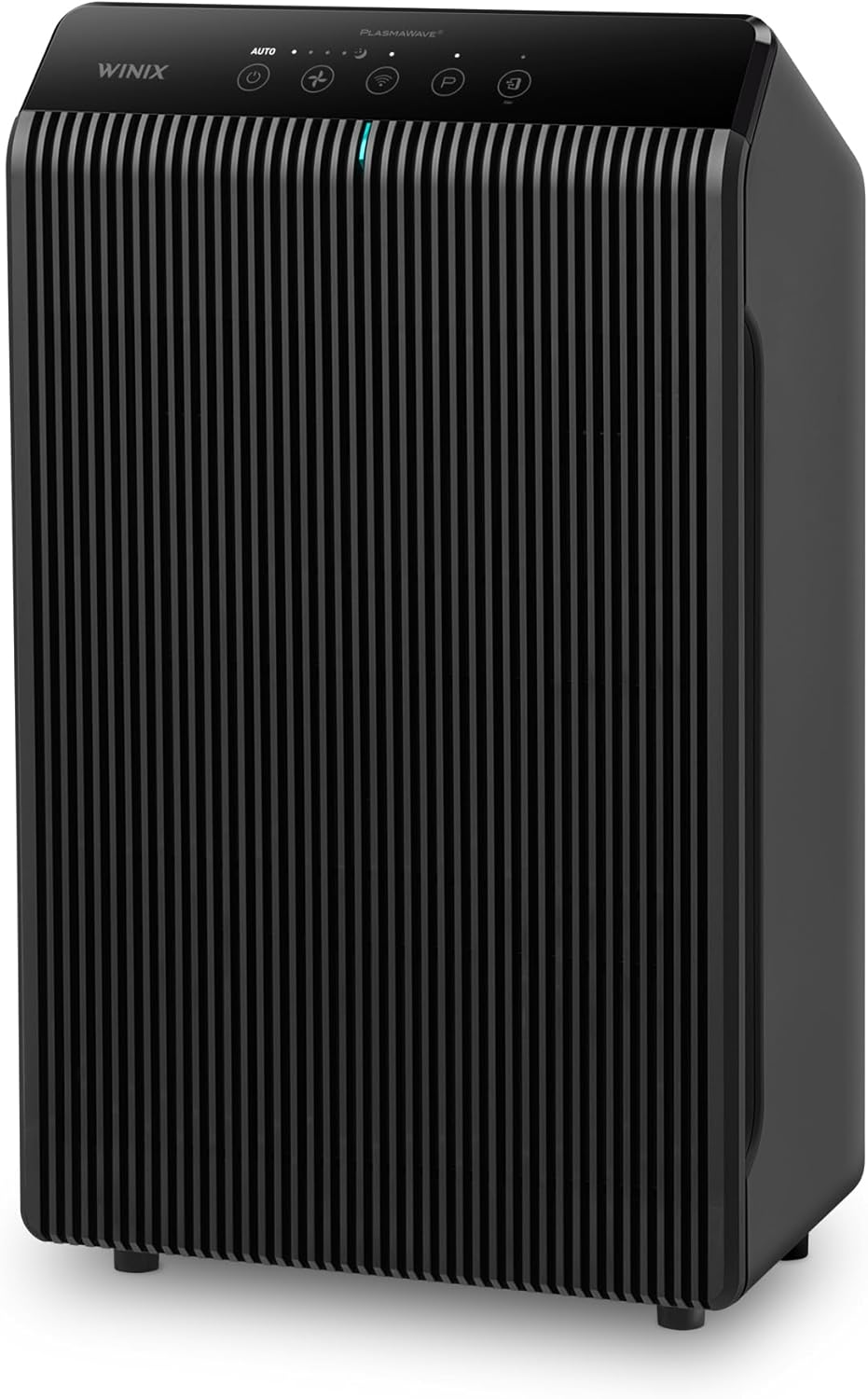 | 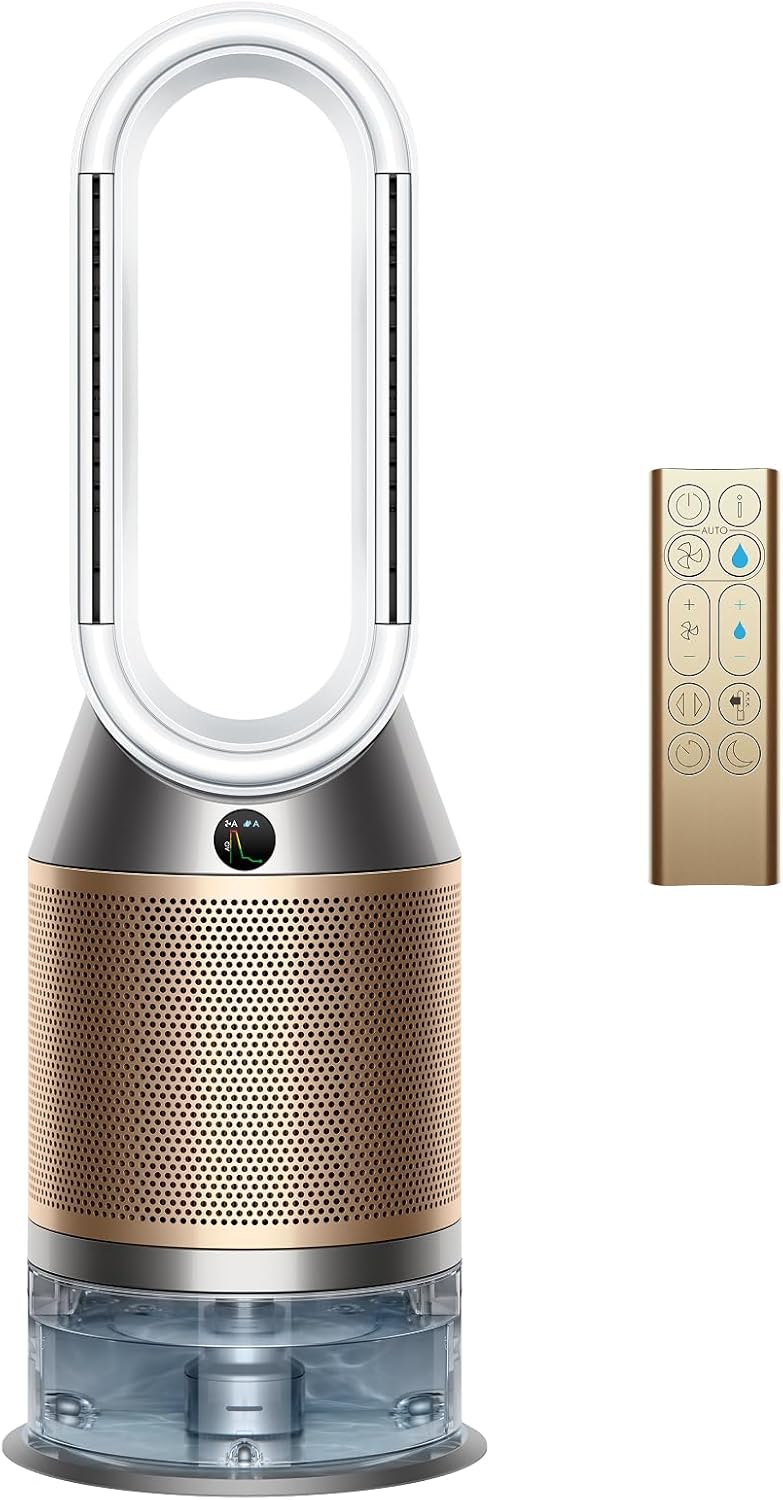 | |
Best for | Most homes (best “all-around”) | Bedroom / small rooms + smart control | Large rooms + open layouts | Pets + odor-leaning homes | Premium: purify + humidify + cooling |
Why it wins | Reliable performance + widely recommended | Strong usability + app/voice convenience | High CADR headroom for big spaces | Pet dander favorite + solid value testing | Multi-function comfort + advanced sensing |
“Real-life” strength | Easy to live with daily | Great “set it and forget it” | Big-room confidence | Smells + fur + everyday dust | One device replaces multiple appliances |
Watch-outs | Not the quietest on max | Not for huge open floor plans | Big footprint | Has ionizer feature (often optional) | Expensive + bigger maintenance routine |
Smart/app | Varies by version; strong basics | Yes (VeSync) | Yes (smart built-in) | Typically basic controls | Yes (MyDyson) |
Credible “why trust it” signal | Common top-pick in major roundups | Named best overall in testing roundup | Reported high CADR + large-room suitability | Stands out for pet dander in testing | Lab-tested favorite among purifier+humidifier combos |
Price |  | | | | |
What Most Articles Get Wrong
Most “mold + air purifier” posts:
- Treat musty smell as “bad air” instead of ongoing moisture + microbial growth.
- Overpromise carbon filters like they’re a smell eraser.
- Don’t say the hard truth: air cleaners don’t solve mold—they’re temporary support.
This guide is built around what public health agencies actually recommend: moisture control, proper cleanup, and smart use of filtration.
Quick Picks for Best Air Purifier
- Best overall for most homes: Coway Airmega AP-1512HH Mighty
- Best smart-value for bedrooms/small living areas: Levoit Core 300S
- Best for large rooms + open layouts: Blueair Blue Pure 211i Max
- Best for pets (dander + lingering smells) on a sane budget: Winix 5500-2
- Best premium “air-care system” (purify + humidify + cool): Dyson Purifier Humidify+Cool PH2 De-NOx
What air purifiers can do for mold and musty rooms
1) Reduce airborne spores (and other particles)
A purifier with a high-efficiency particle filter (often HEPA) can help remove particles from indoor air. EPA’s air-cleaner guidance notes that portable air cleaners often achieve high CADR using HEPA filtration and should be sized by CADR for the room.
That matters during cleanup, after a leak, or if you’re trying to make one room feel better while you fix the real cause.
2) Help during short-term “damage control”
California’s public-health guidance is blunt: don’t depend on air cleaners to solve mold—but they can be used short-term to reduce mold in the air while you’re actively addressing moisture and cleanup.
Think: “support tool,” not “solution.”
What air purifiers can’t do (the reason people get disappointed)
1) They can’t stop mold growth
Mold grows because of moisture. EPA repeats this over and over: moisture control is the key, and drying wet materials within 24–48 hours can prevent mold growth in many cases.
A purifier doesn’t dry a wall, fix a leak, or stop condensation.
2) They can’t remove mold that’s already on surfaces
If you have mold on drywall, under carpet, inside a cabinet, or behind a baseboard, a purifier won’t “pull it off” the material.
You still need removal/cleaning—and sometimes disposal of items that can’t be dried and cleaned properly. CDC guidance for homeowners/renters emphasizes fixing the water problem and throwing out items that can’t be cleaned and dried within 24–48 hours after water exposure.
3) They can’t reliably “fix” musty smells on their own
Musty odors are often a mix of moisture + materials off-gassing + microbial compounds. Carbon can help with some gases/odors, but gas-phase filters are typically designed for specific pollutants and won’t reduce gases they weren’t designed to target.
Also: California’s mold guidance notes that odor-removing air cleaners won’t reduce mold in the air.
Feature | |||||
|---|---|---|---|---|---|
| | | | | |
Best for | Most homes (best “all-around”) | Bedroom / small rooms + smart control | Large rooms + open layouts | Pets + odor-leaning homes | Premium: purify + humidify + cooling |
Why it wins | Reliable performance + widely recommended | Strong usability + app/voice convenience | High CADR headroom for big spaces | Pet dander favorite + solid value testing | Multi-function comfort + advanced sensing |
“Real-life” strength | Easy to live with daily | Great “set it and forget it” | Big-room confidence | Smells + fur + everyday dust | One device replaces multiple appliances |
Watch-outs | Not the quietest on max | Not for huge open floor plans | Big footprint | Has ionizer feature (often optional) | Expensive + bigger maintenance routine |
Smart/app | Varies by version; strong basics | Yes (VeSync) | Yes (smart built-in) | Typically basic controls | Yes (MyDyson) |
Credible “why trust it” signal | Common top-pick in major roundups | Named best overall in testing roundup | Reported high CADR + large-room suitability | Stands out for pet dander in testing | Lab-tested favorite among purifier+humidifier combos |
Price | | | | | |
The right approach: fix the cause first, then use filtration
Step 1: Stop the moisture (this is the whole game)
Start here:
- Fix roof/plumbing leaks.
- Reduce humidity.
- Improve ventilation in bathrooms/kitchens.
CDC recommends keeping home humidity no higher than 50%, using a dehumidifier or AC if needed.
EPA says dry damp/wet surfaces within 24–48 hours and fix the source of water.
Step 2: Clean/remove the mold correctly
CDC’s mold cleanup guidance includes practical basics (like ventilation and safe cleaning practices). It also warns never to mix bleach with ammonia and gives a common dilution guideline (no more than 1 cup bleach per gallon of water).
If materials are porous and can’t be fully dried/cleaned, they may need to be discarded.
Step 3: Use an air purifier the smart way (support, not magic)
If you’re using a purifier during mold cleanup or in a musty room, here’s what matters.
What to get (general features)
- Particle filtration + enough CADR for the room. EPA: choose a CADR that’s large enough for the room; higher CADR generally filters more particles and can serve a larger area.
- Optional carbon (for odor support). Activated carbon is a common “sorbent” used in gas-phase filters, but it’s not universal odor magic.
- No ozone. CARB recommends ozone generators not be used; they’re ineffective at cleaning indoor air and ozone poses health risks for humans and animals.
How to run it
- Run it continuously in the problem room while you’re remediating.
- Keep doors/windows configured based on whether outdoor air is clean (don’t pull in damp air during a humid day if humidity is the driver).
- Check filters more often than “normal”—musty/mold situations load filters faster.
Mold vs Smell vs What Actually Works
Problem | What’s really happening | Can an air purifier help? | What actually fixes it |
|---|---|---|---|
Visible mold on walls/ceilings | Active growth on a surface | Only minor support (airborne particles) | Fix moisture + clean/remove affected material |
Musty smell | Moisture + microbial compounds + materials holding odor | Sometimes (carbon can help some odors) | Dehumidify + remove damp materials + fix leak source |
After a leak / wet carpet | Mold risk starts fast | Yes, as support | Dry within 24–48 hours + remove items that can’t be dried |
You feel “stuffy” or sneezy | Airborne spores/particles | Yes, if CADR is sized right | Purifier + cleaning + moisture control |
“Ozone purifier for mold” | Marketing | No—and can be risky | Don’t use ozone; use moisture control + proper cleanup |
7 signs your “musty smell” is a moisture problem (not an air purifier problem)
- Smell is strongest after showers or rain.
- Condensation on windows.
- Damp carpet feel, warped baseboards, bubbling paint.
- Closet smell that returns quickly after airing out.
- Basement odor that worsens in summer.
- Bathroom fan vents poorly.
- You run a purifier 24/7 and it barely changes anything.
That’s your cue to chase humidity and hidden wet materials first.
FAQs: What Air Purifiers Can and Can’t Fix
Can an air purifier remove mold from a room?
It can reduce airborne spores/particles, but it won’t solve the mold problem unless you fix the underlying moisture and remove/clean moldy materials.
Will an air purifier get rid of musty smells?
Sometimes it helps a bit—especially if there’s activated carbon—but odor control is limited and depends on the specific gases involved. You still need moisture control and removal of damp/moldy materials.
What’s the best humidity level to prevent mold?
CDC recommends keeping humidity no higher than 50%. A dehumidifier or AC can help.
How fast does mold grow after water damage?
EPA notes that if damp materials are dried within 24–48 hours, in many cases mold won’t grow. CDC homeowner guidance similarly stresses drying/disposing of items that can’t be dried in that window.
Are ozone air purifiers good for mold or odors?
CARB recommends ozone generators not be used; they’re ineffective at cleaning indoor air and ozone exposure poses health risks. California public-health mold guidance also notes ozone-producing cleaners aren’t effective for controlling indoor molds.
Bottom line
Use an air purifier for mold like you’d use a fire extinguisher for a kitchen fire: helpful, but not the whole plan.
The real fix is boring and effective: dry fast (24–48 hours), keep humidity ≤ 50%, fix leaks, clean/remove damaged materials, then run a properly sized purifier as support.
Other Interesting Articles
- Best Air Purifier for Home (2026): Top 5 Picks That Actually Make a Difference
- PuroAir 240 vs Shark Air Purifier: Which One Should You Buy?
- PuroAir 240 vs Sans Air Purifier: Which One Should You Buy?
- PuroAir 240 vs Levoit 300: Which Air Purifier Is the Better Buy?
- PuroAir 240 vs PuroAir 400: Which One Actually Fits Your Home?
Author
HappyHomeNerd: We review home comfort gear the way real people use it: in lived-in rooms, with real sleep schedules, real pets, and real tolerance for noise.